Stories
The Victorian Era: An Age of Ornament & Intention
The Victorian Era
The Victorian era (1837-1901) was a time of great innovation and growth. The Industrial Revolution was roaring and the impact was explosive. From ready-made clothing to the expansive railroad system, change was on the rise with no sign of stopping. Following the Georgian Era, characterized by ornate dresses and powdered wigs, the Victorian people thrived with the growing accessibility surrounding them. The rapidly growing middle class became an important cultural influence for the time, replacing the inaccessible aristocracy of British society’s dominant class. The stunningly ornate fashion that was once reserved for high class aristocrats now decorated homes and streets. Despite common beliefs, characterizing the Victorian era as dull and drab, the fashion was surprisingly bright, accented by appliques, ribbon work, beading, and embroidery.
The term “Victorian” is often reserved for the time period in England. In The United States of America, the same period was deemed The Gilded Age, running from the 1870s-1890s. In between the Reconstruction and Progressive era, the Gilded Age was a time of incredible excess, much like the Victorian era. The style in America was of similar ideals; grand and luscious due to an influx of silk, tulle, and lace.
The Grandeur of Victorian Jewelry
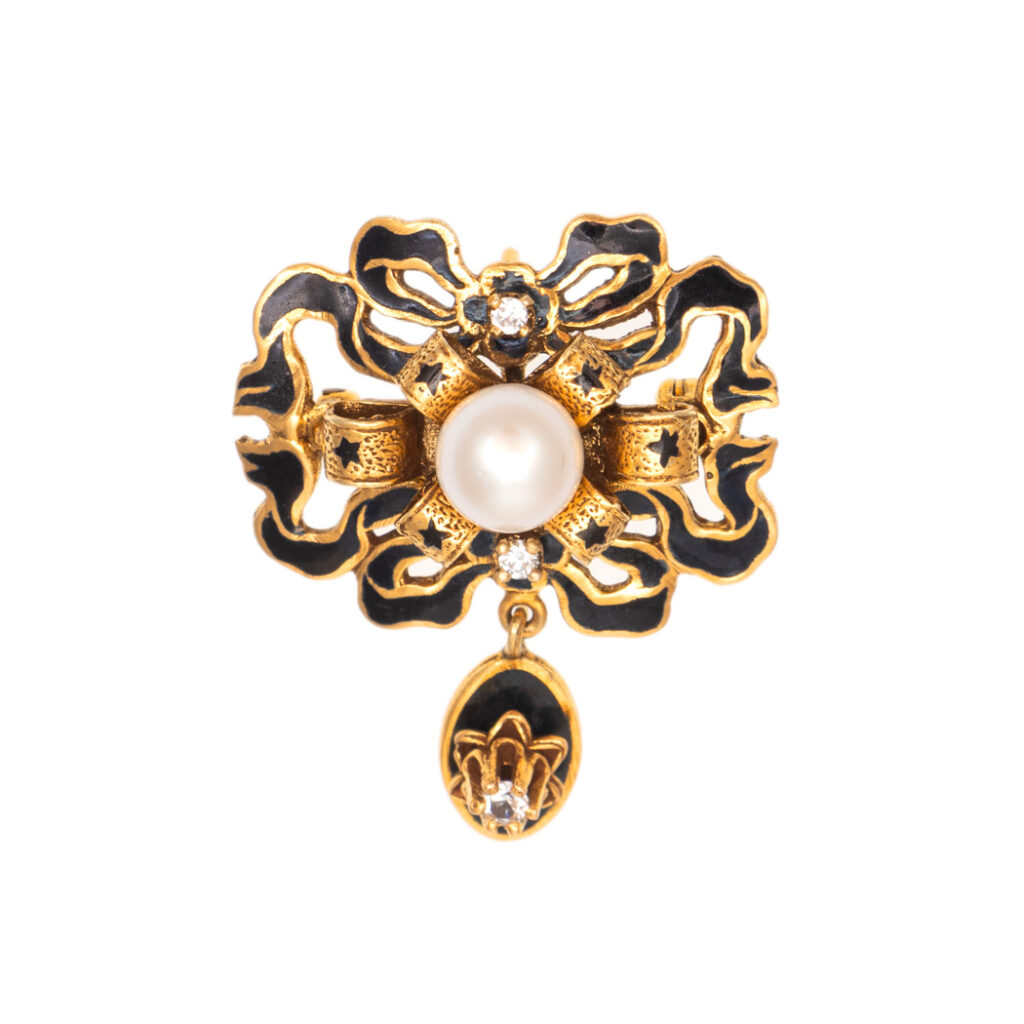
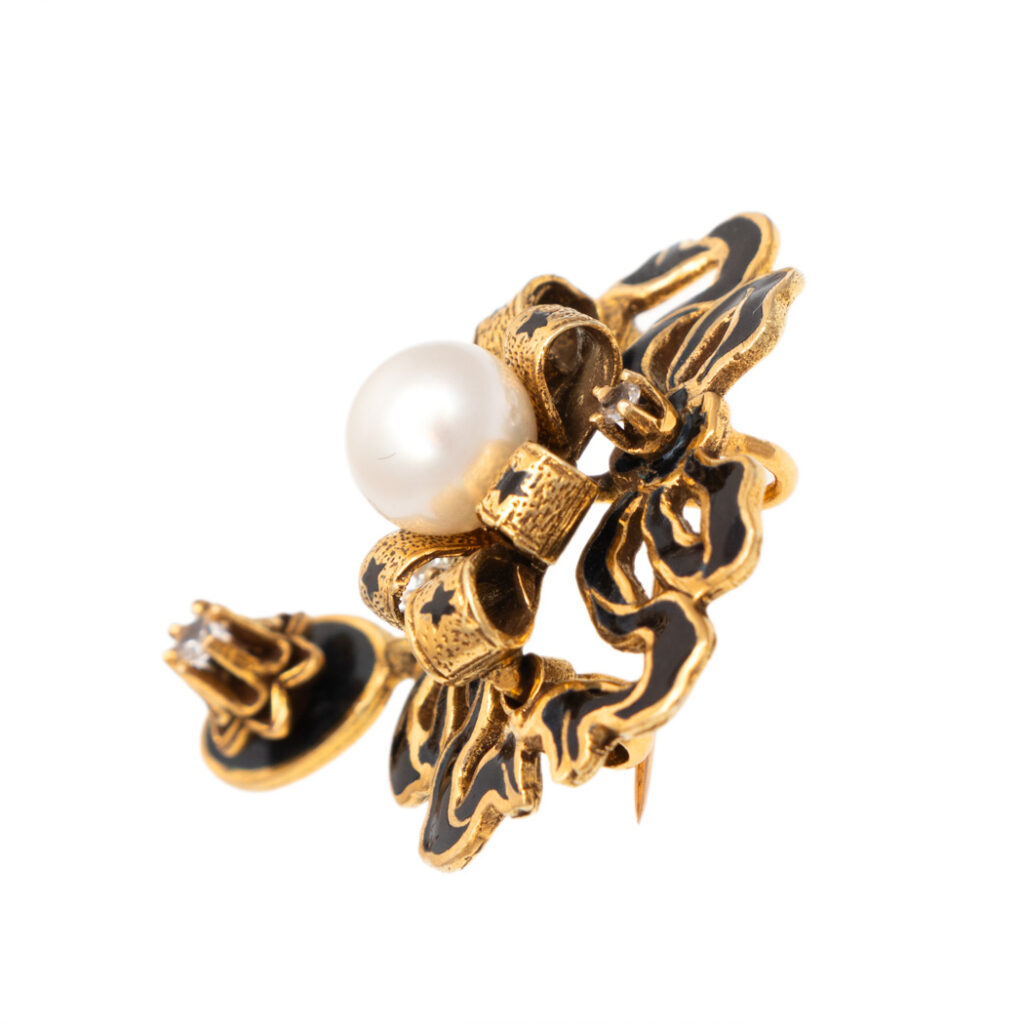
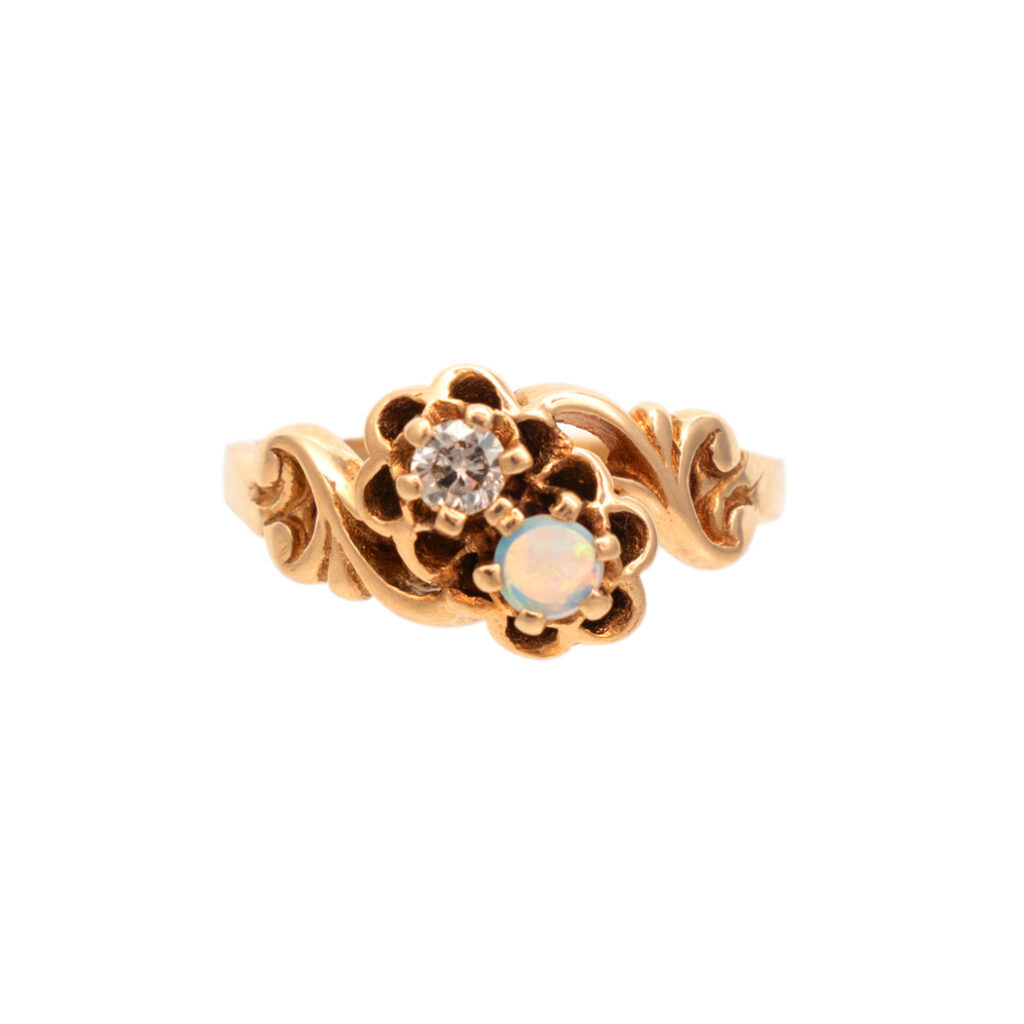
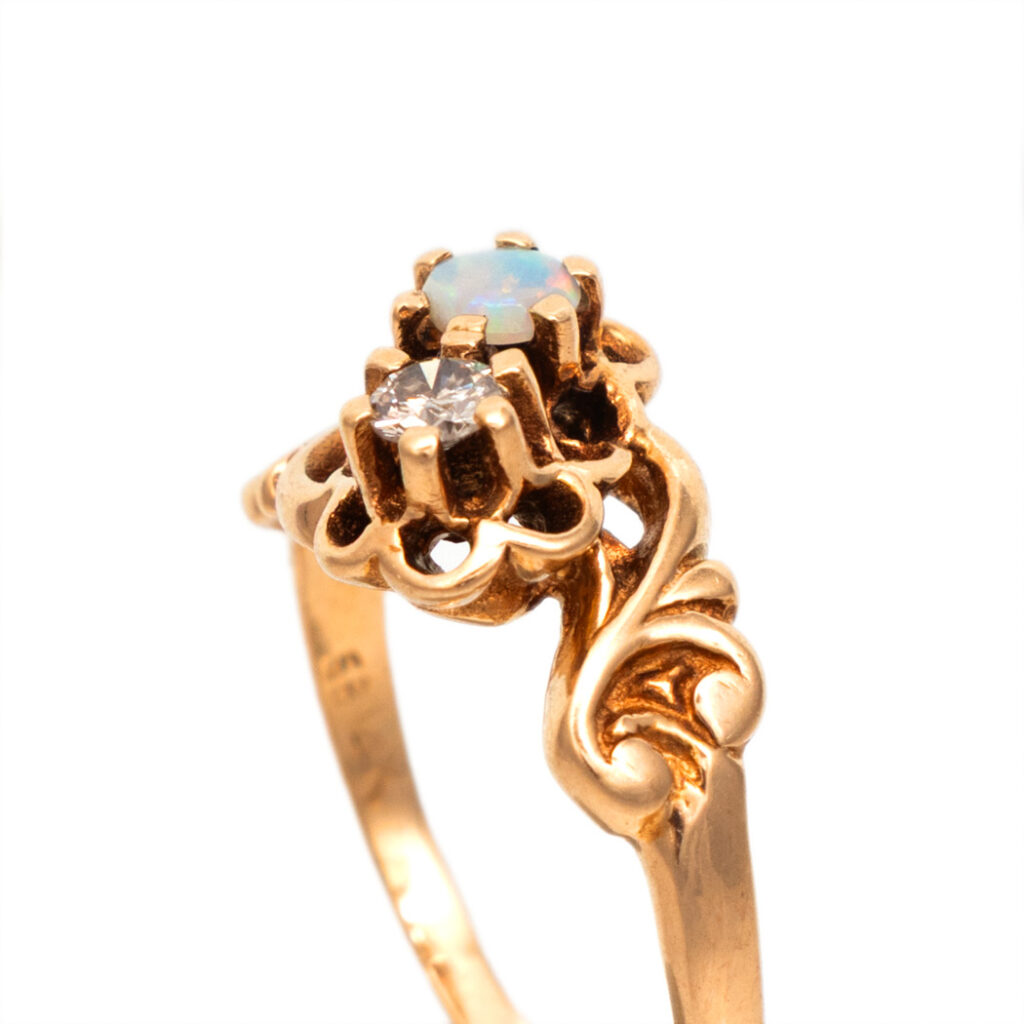
The ruler and namesake of the Victorian era, Queen Victoria, was a great lover of jewelry. Her intricate and lavish taste in jewels heavily influenced the trend adopted by the masses. The romantic shapes, elaborate designs, floral and fauna motifs, ornate pierced filigree patterns. The advancement in technology and manufacturing made it possible for anyone to enjoy the bright colors and unique imagery.
Cameos provided a stylish way to celebrate the archeological treasures that fascinated the public. These images, carved” down on pieces of stone or shell, featured ancient motifs, often from Greek and Roman times. The Ornate carving, intricate details, and applied accents created a breathtaking accent to any piece of clothing.
During the Victorian era, a time of social restriction and restraint, emotions found an outlet in jewelry. These pieces, often referred to as mourning jewelry, expressed what was too difficult to say, and created an emotional connection to the departed. Lockets and dark or colorless stones were often worn during the mourning process and beyond, but another unique and iconic material was soon introduced. The use of human hair in jewelry and art was a way to materialize that connection with family and friends. Strands were intricately woven into necklaces, braided into lockets, and formed into sculptures. What may seem as unorthodox today, was seen as truly sentimental at the time.
When it comes to the Gilded Age in America, their taste in jewelry often mirrored that of the English. Once again, grand and lavish designs were king, but versatility and adaptability were increasingly more important. Stickpins, featuring various motifs and gemstones, were mostly worn by men to hold a cravat in place and women mostly wore sizable brooches. As the lines of gender norms in society began to shift, so did fashion. Check out our blog post, Stickpin Revolution, for a comprehensive history and even a style guide!
The Various Styles of Victorian Furniture
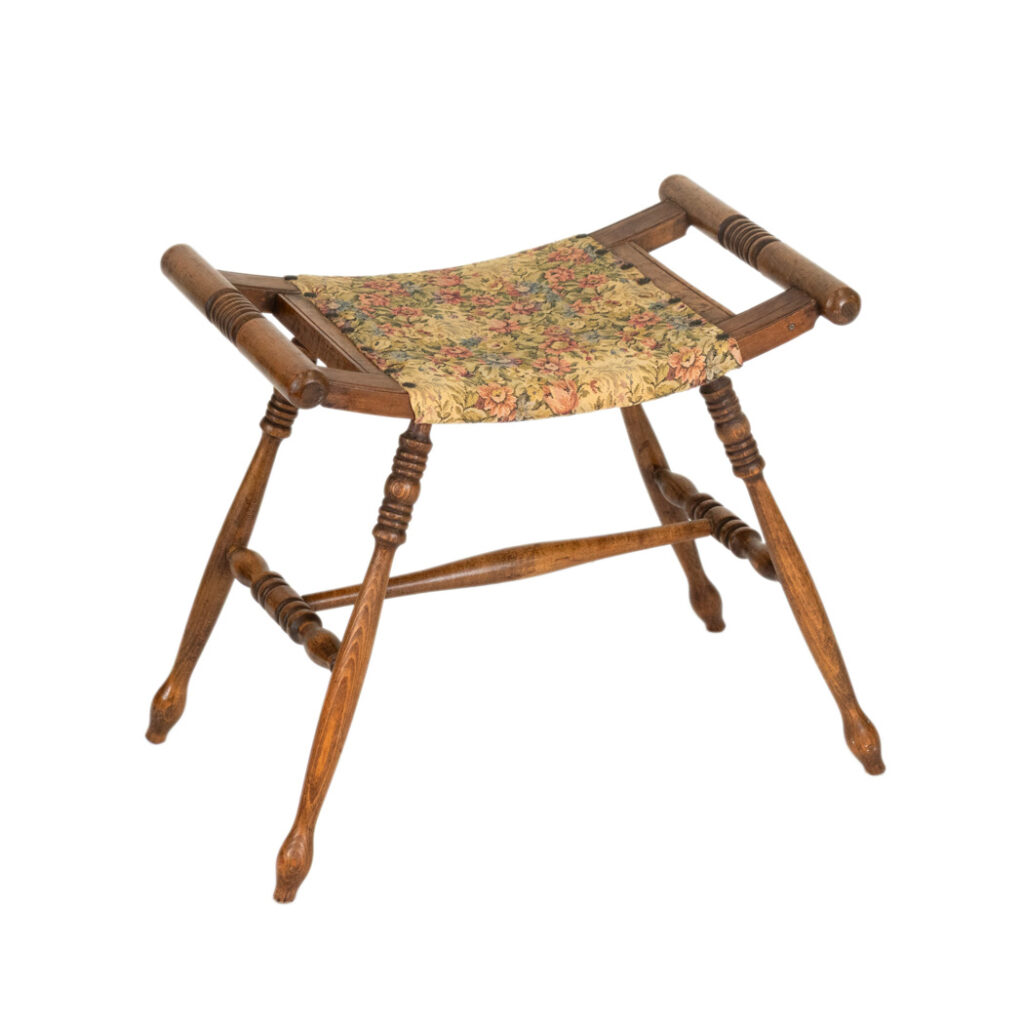
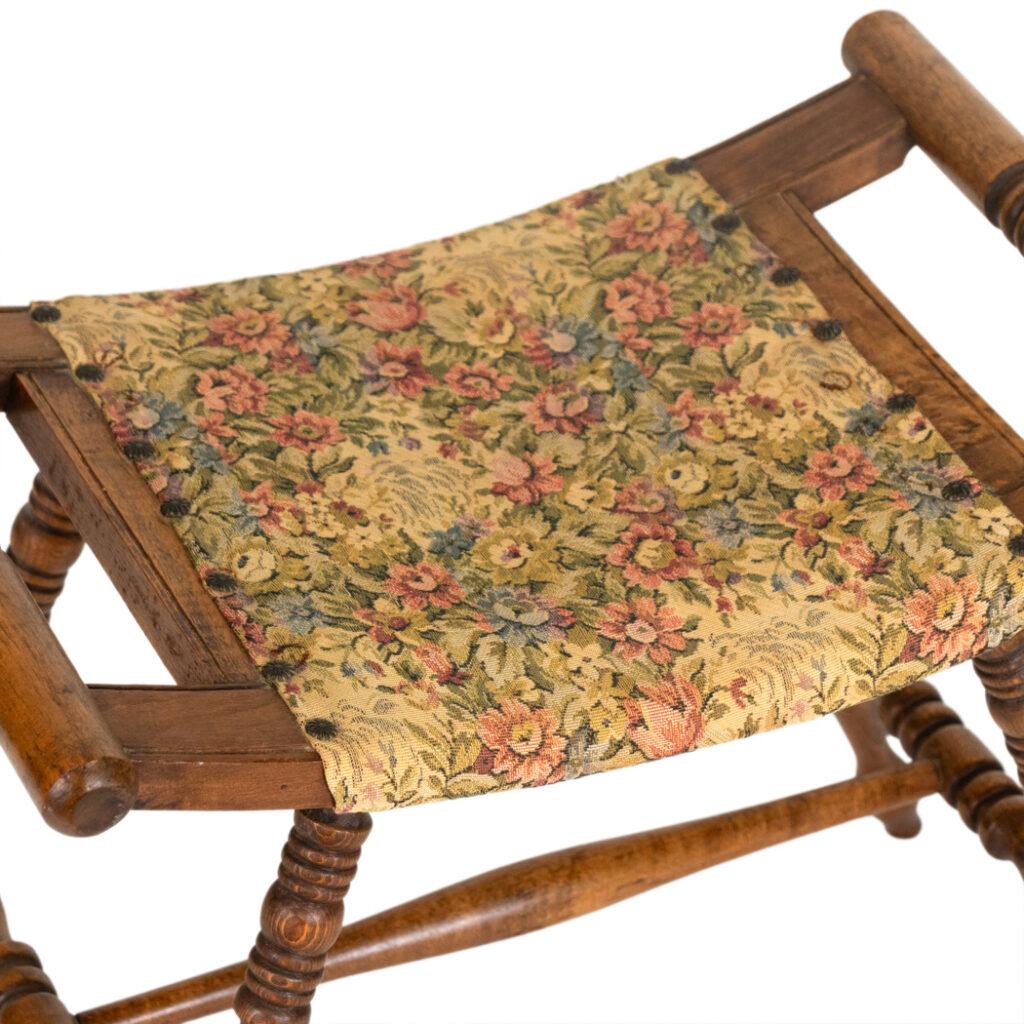
The undeniable desire for the extravagant did not stop with fashion. Furniture to decorate and bring character to the home were just as important. Now that these intricate and fanciful designs were made accessible, revival was in style.
The Gothic Revival (1840-1860), a style most are familiar with, was at the time deemed uncomfortable and pretentious. Ornate silhouettes with high backs and triangle peeks commanded a room. These pieces were accented with intricate quatrefoils, stately griffins, and statuesque gargoyles. Dark finishes brought a moodiness to the walnut and oak used to create these breathtaking pieces.
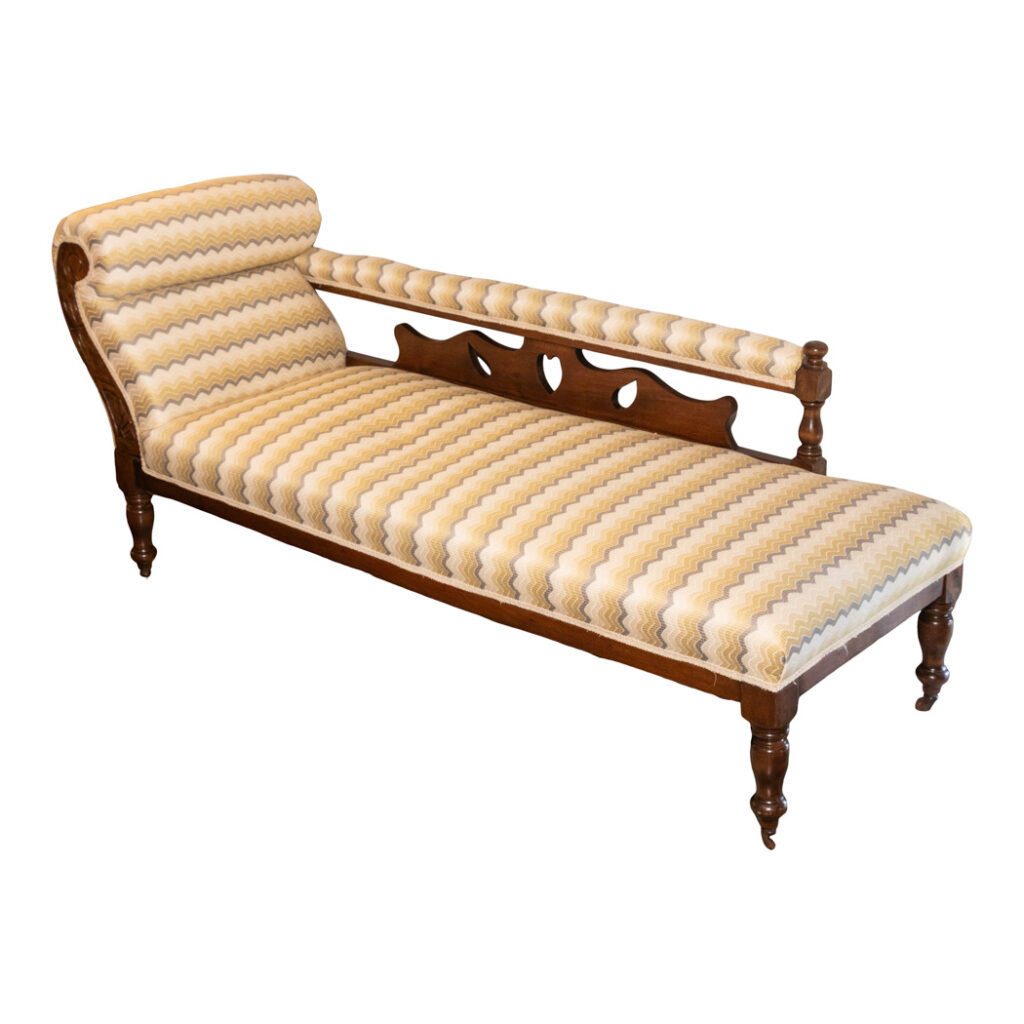
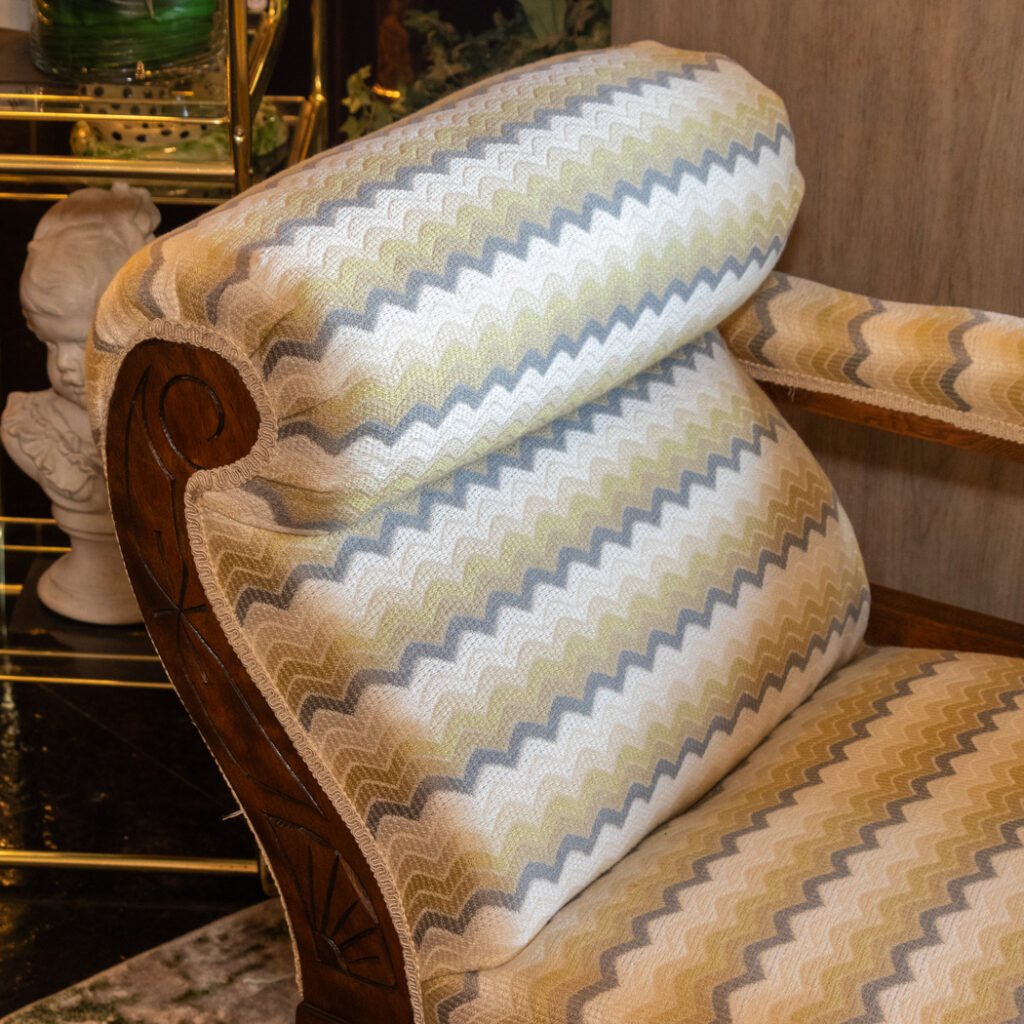
The Rococo Revival (1840-1870s) prioritized lavish, flowing silhouettes. From lush button tufted upholstery to high relief carving, this style was all about excess. Curvaceous, scrolling wood frames, cabriole style legs on casters, stunning marble tops, luxury was key. With more of a feminine and elegant silhouette, these pieces were typically used for parlors and bedrooms.
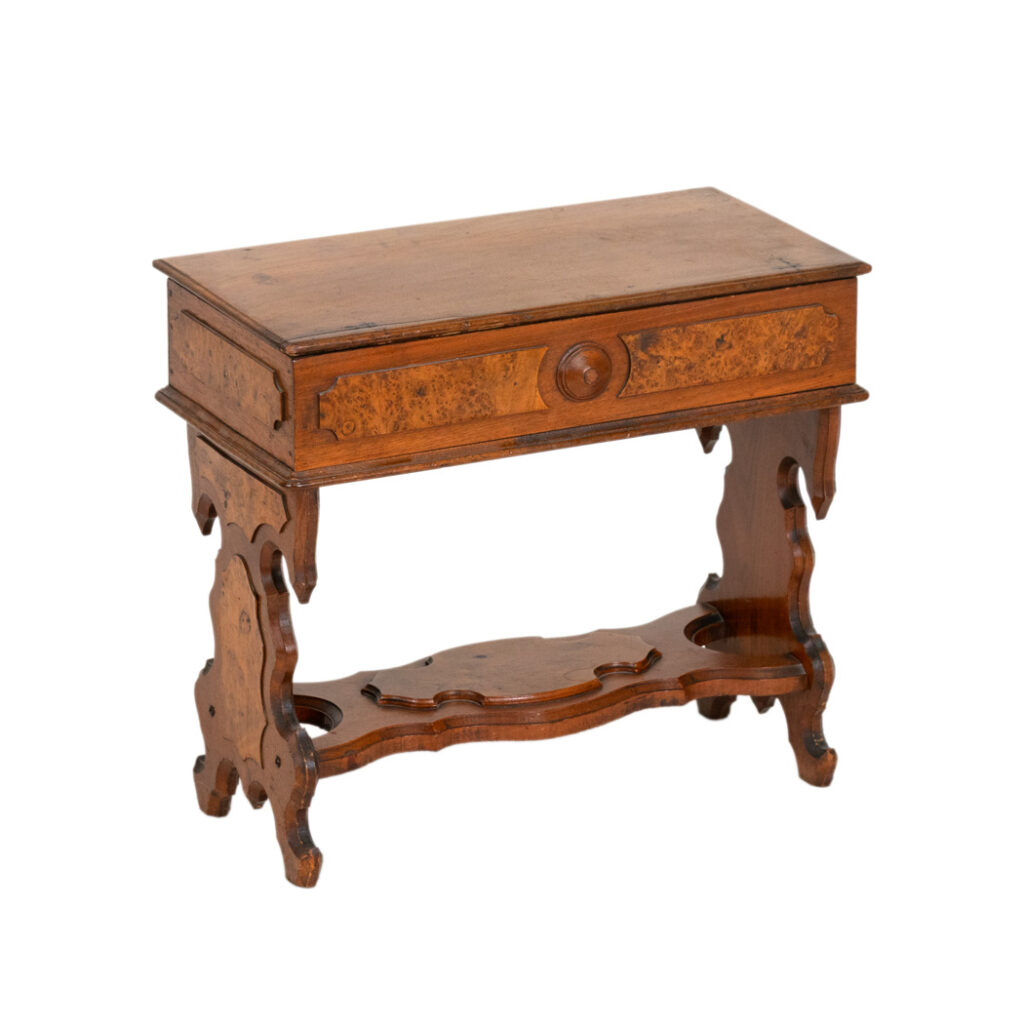
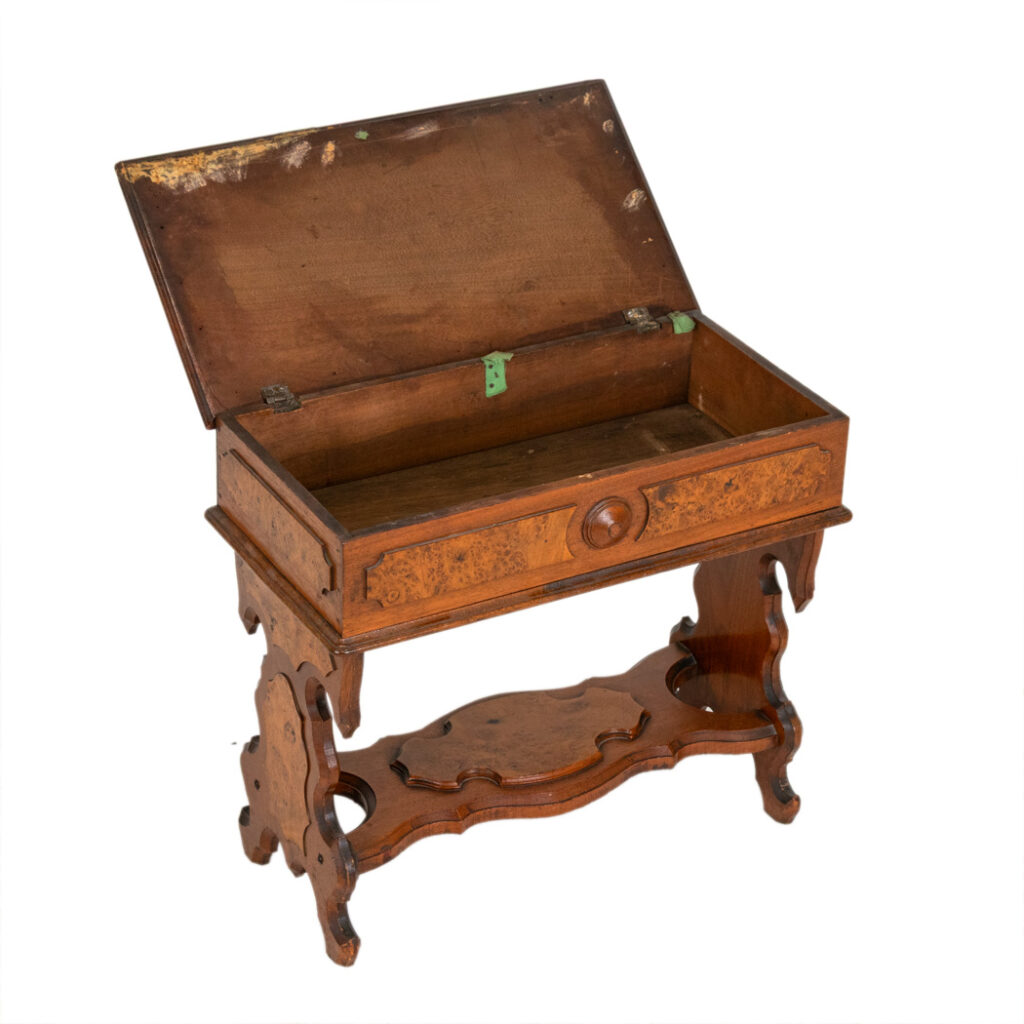
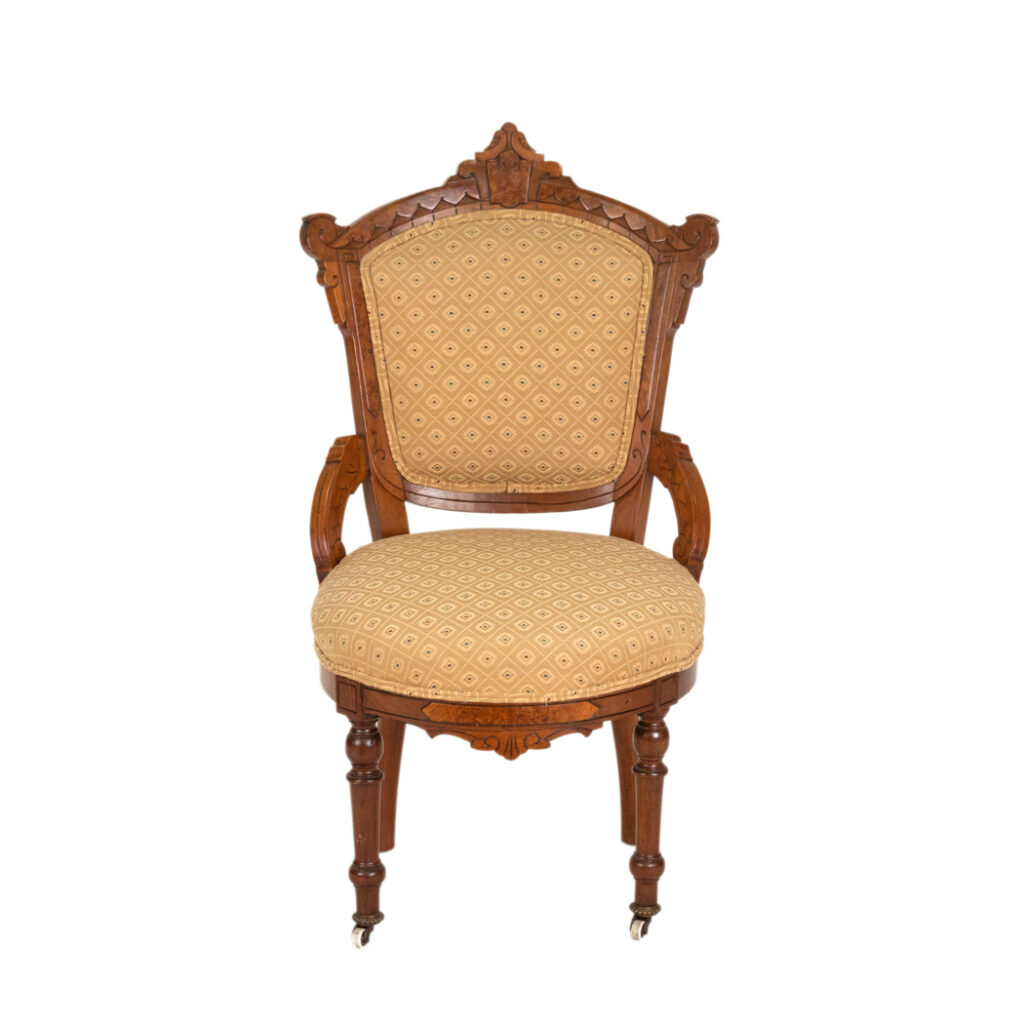
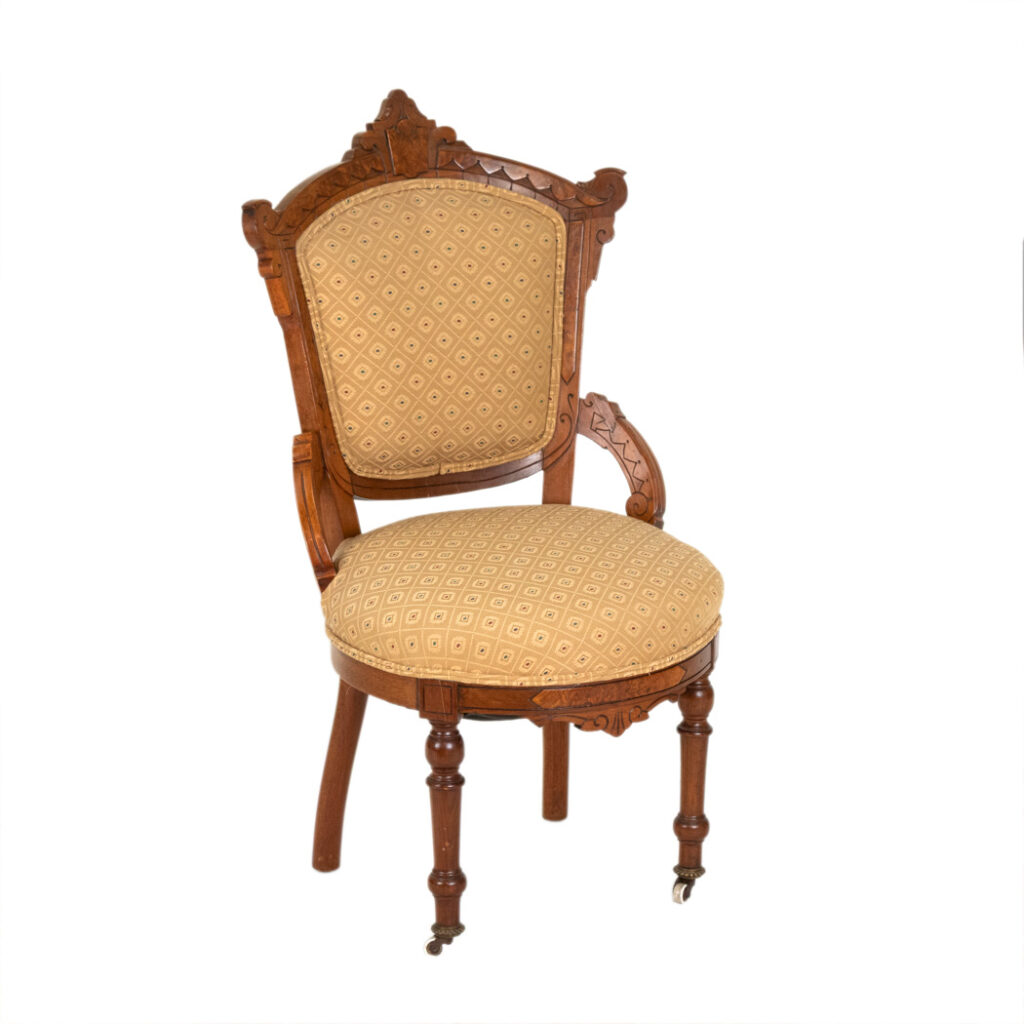
The Renaissance Revival (1860-1880) is the most accessible, and therefore recognizable, style. The American Renaissance Revival furniture of the 1860s and 1870s marked the first period in which fine designs were used for mass-produced furnishings. With a more masculine, squared form, it subtly toned down the prior overwhelmingly lavish designs. These pieces were detailed with deeply carved ornamentation and medallions throughout the silhouette.
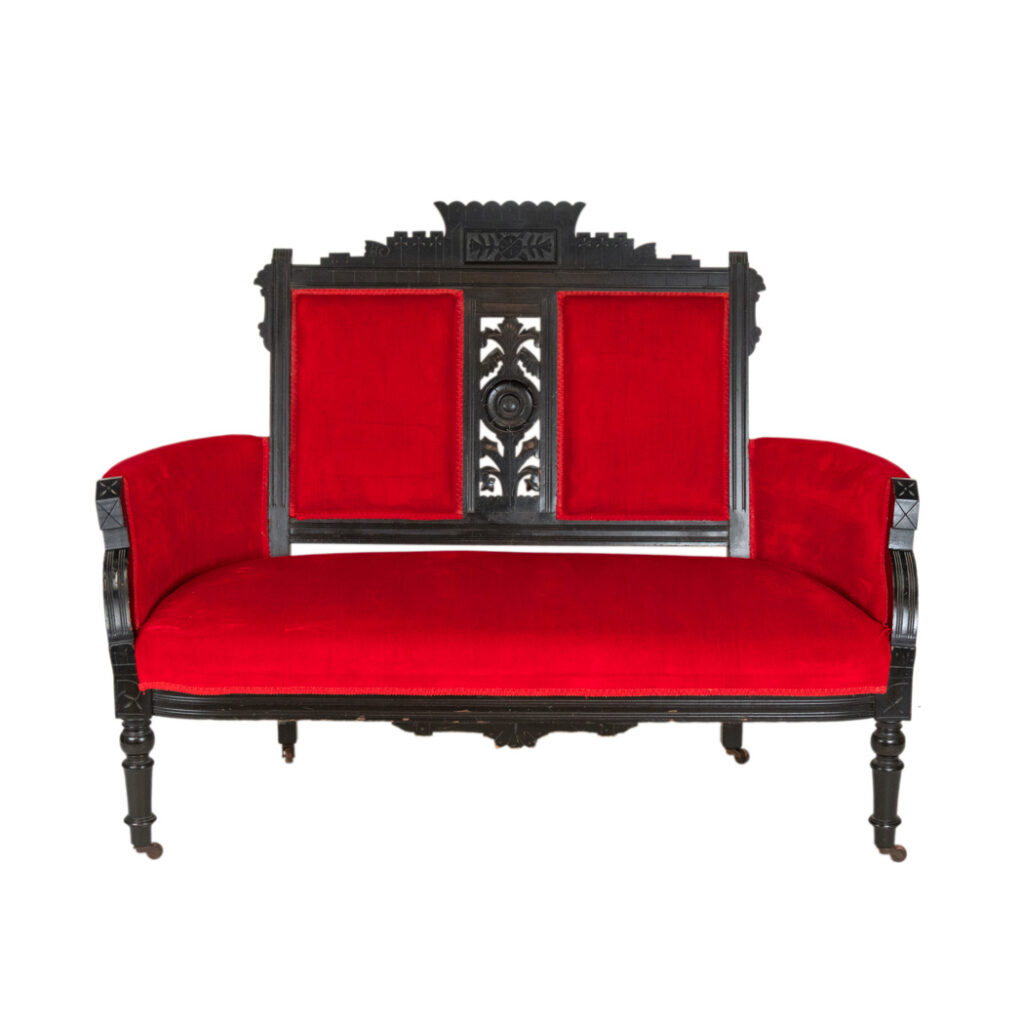
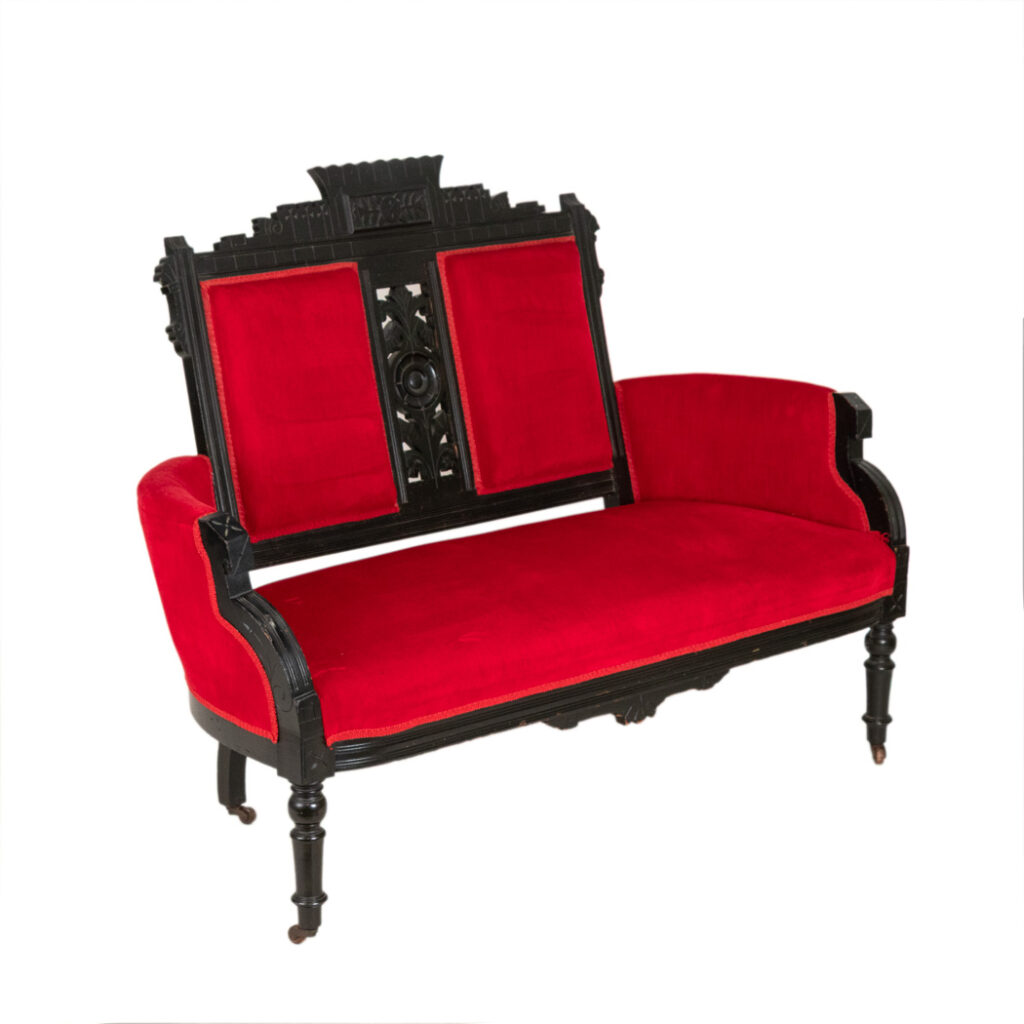
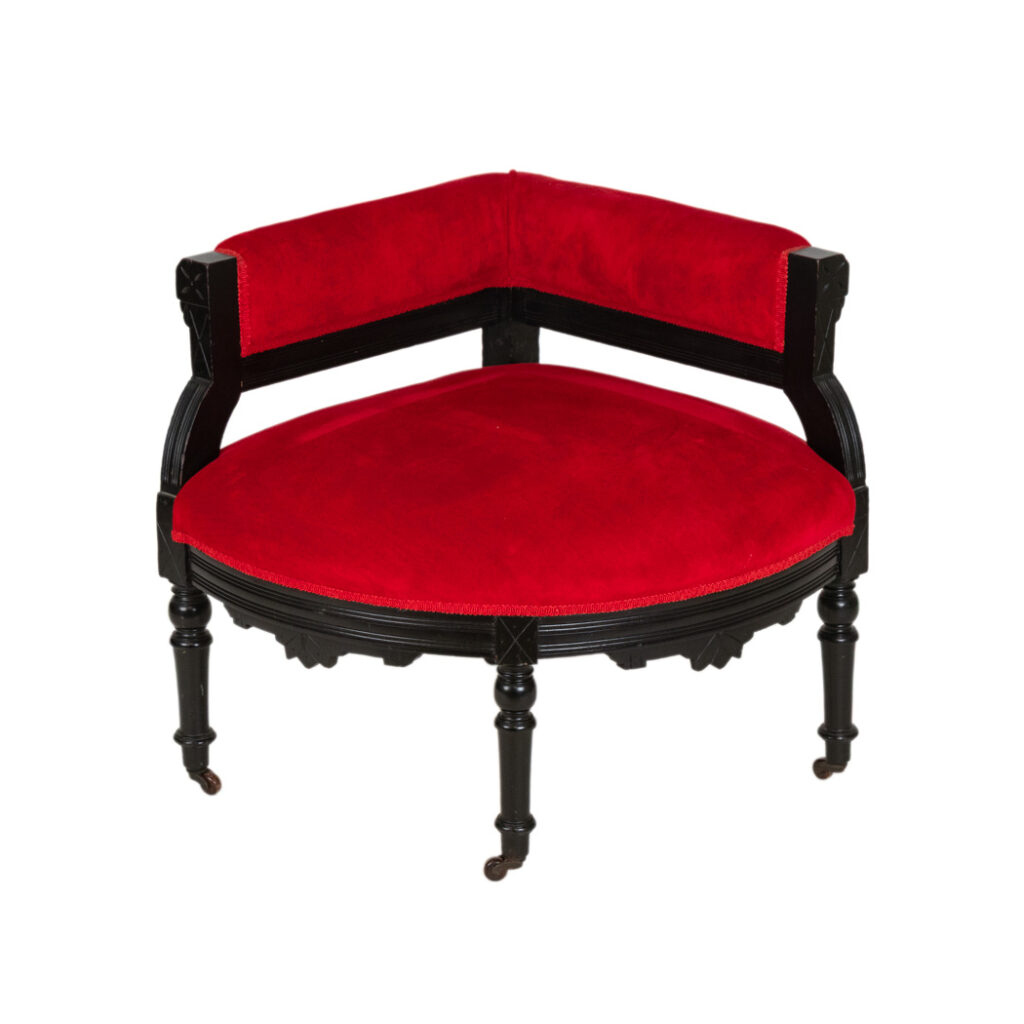
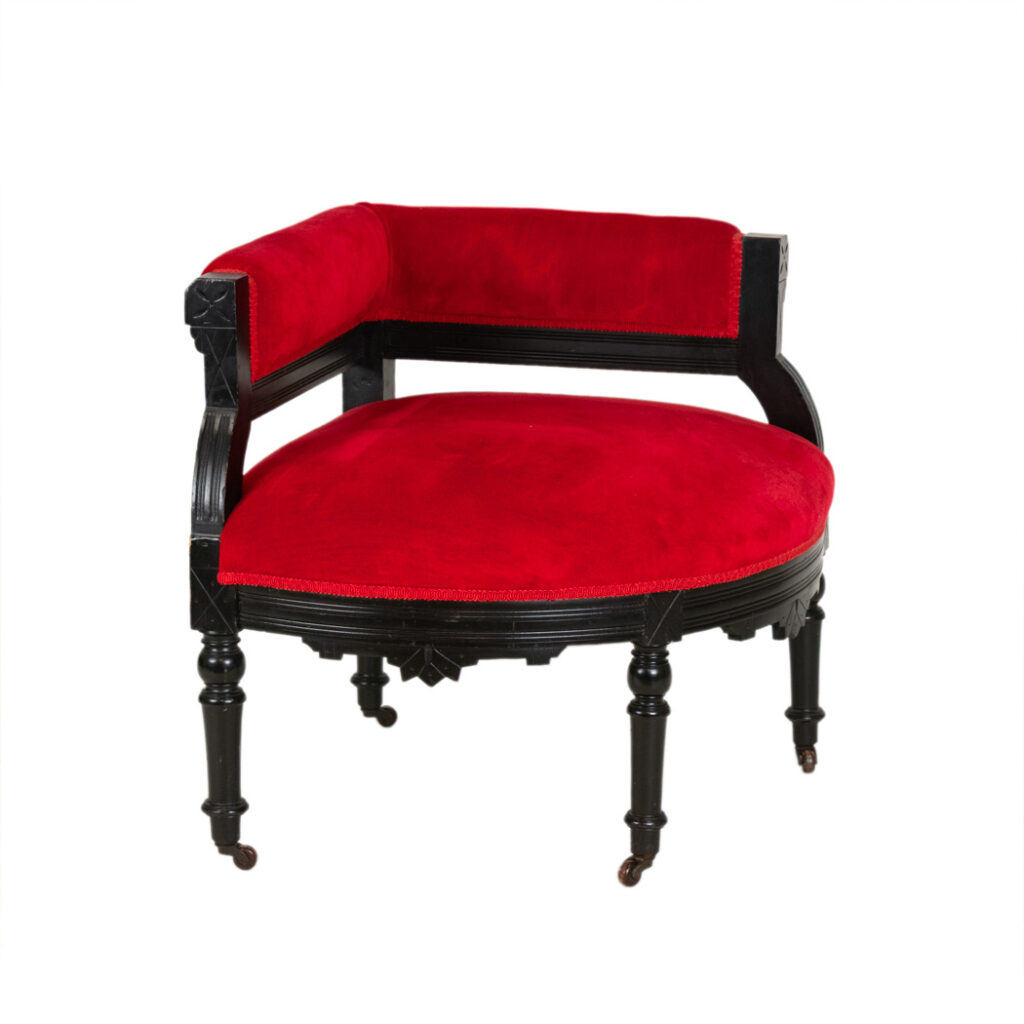
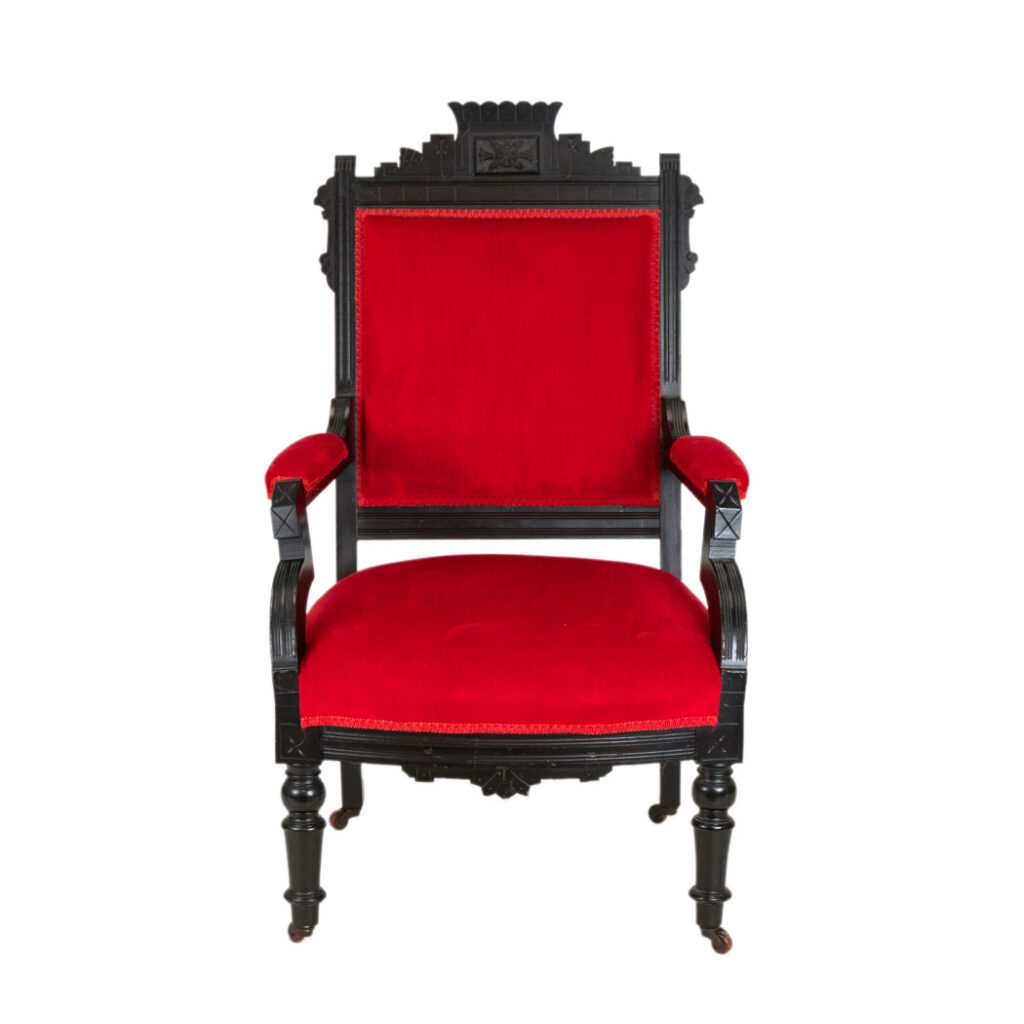
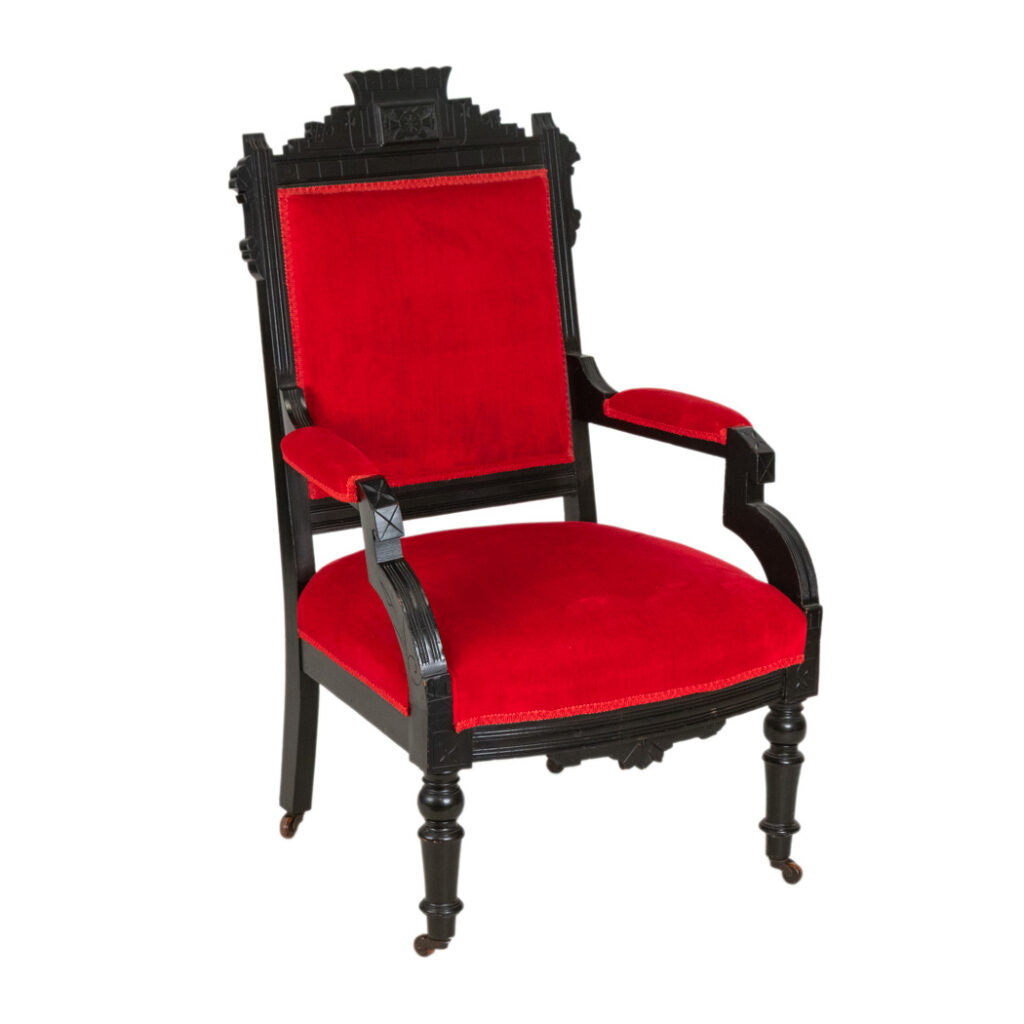
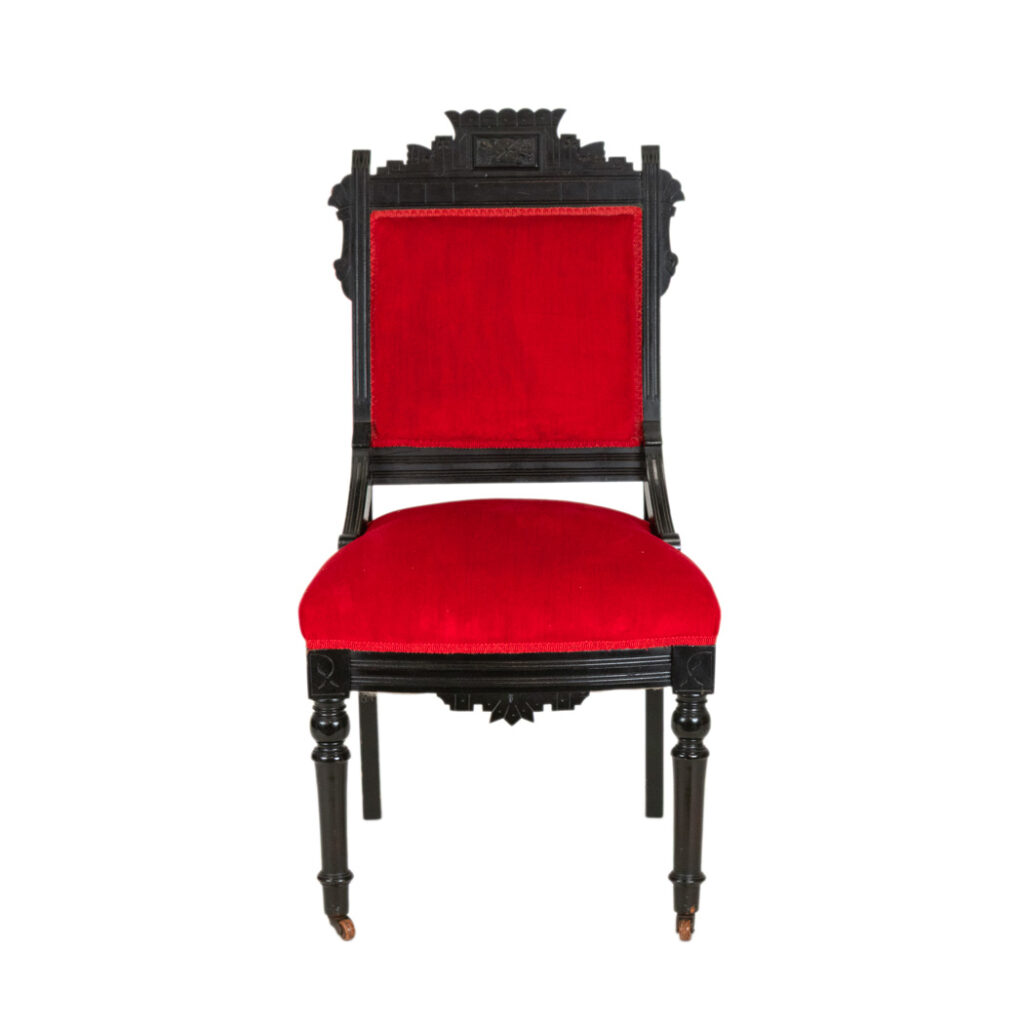
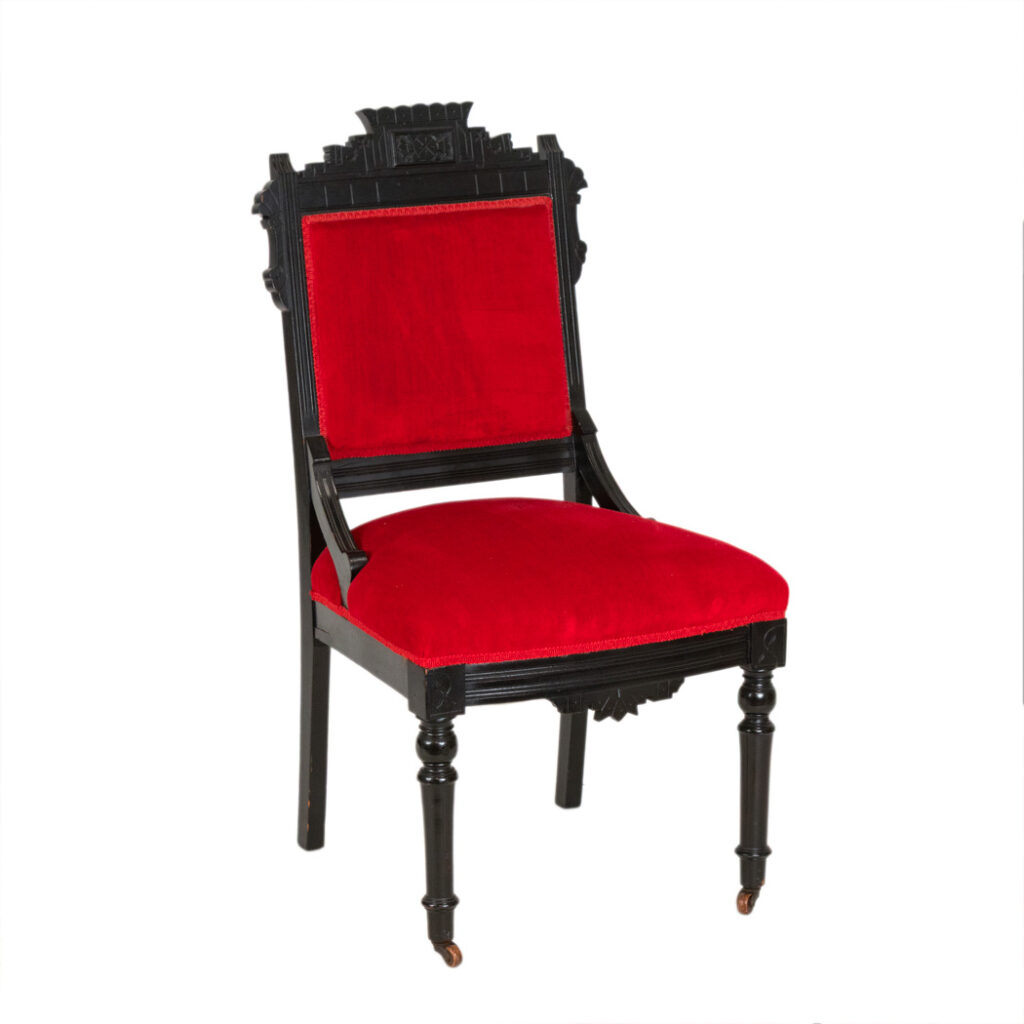
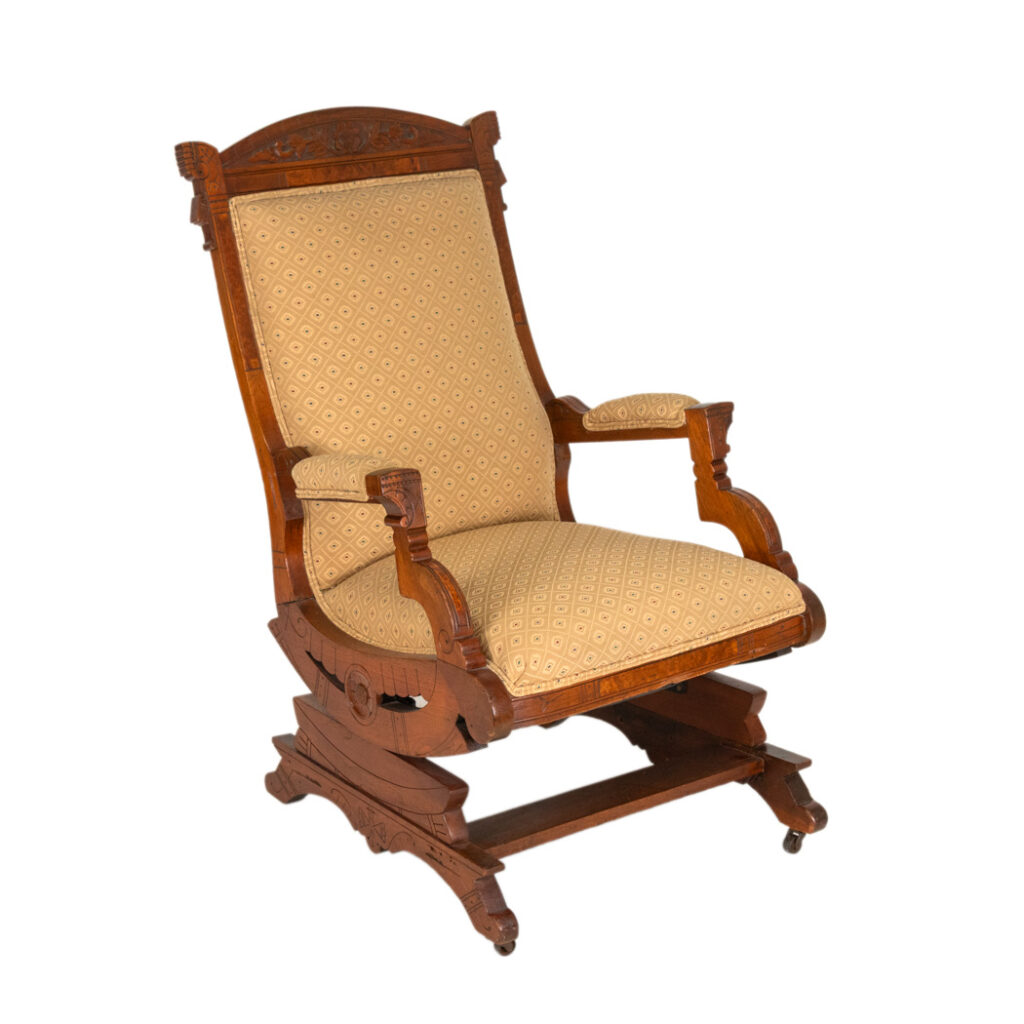
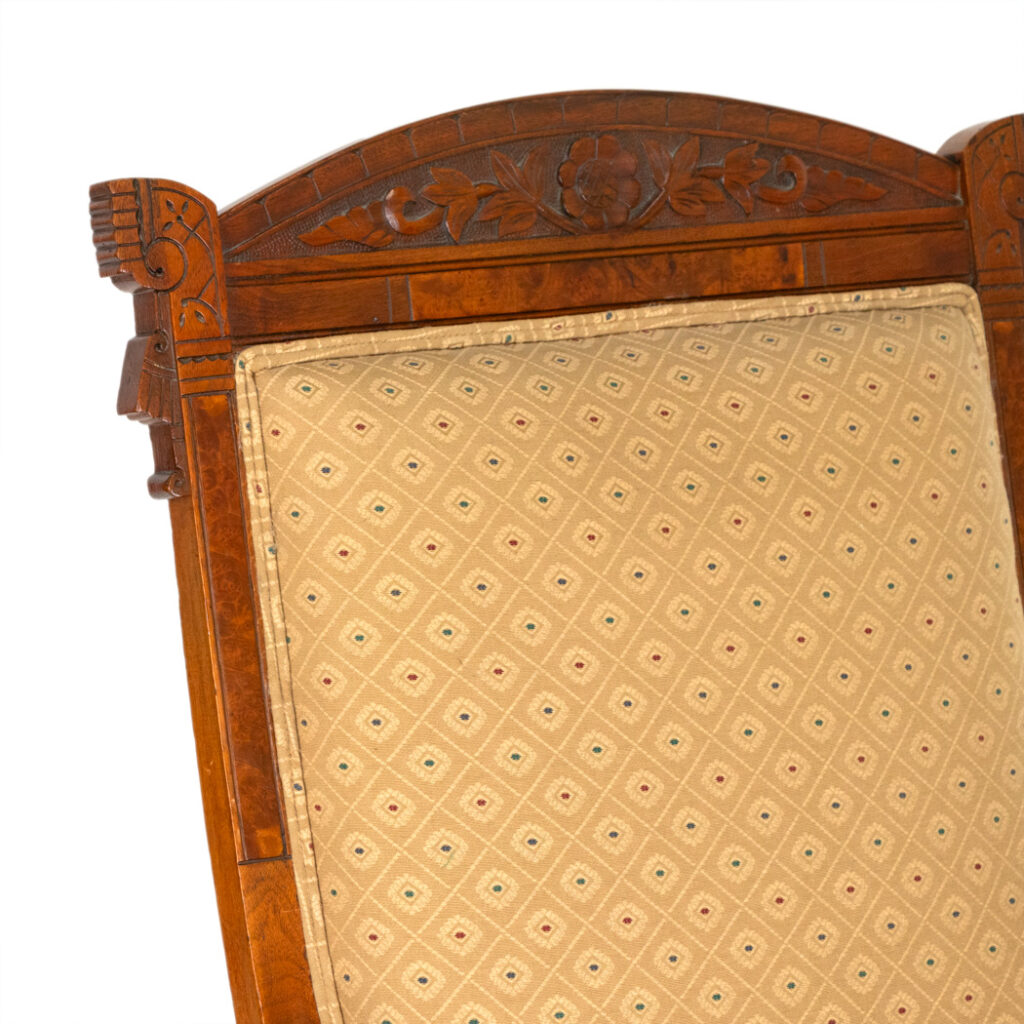
One of the last iconic styles of the Victorian era was the American Eastlake Movement. A highly sought after look, named after the English architect Charles Locke Eastlake (nephew of Sir Charles Lock Eastlake) following the release of his influential book ‘Hints on Household Taste in Furniture, Upholstery and Other Details’. His book was a response to the over-the-top rococo and renaissance revival styles. This unique look exemplified both geometric and floral motifs, low relief carving, and deep ebony finishes.