Stories
GVM x Archive: Found & Framed
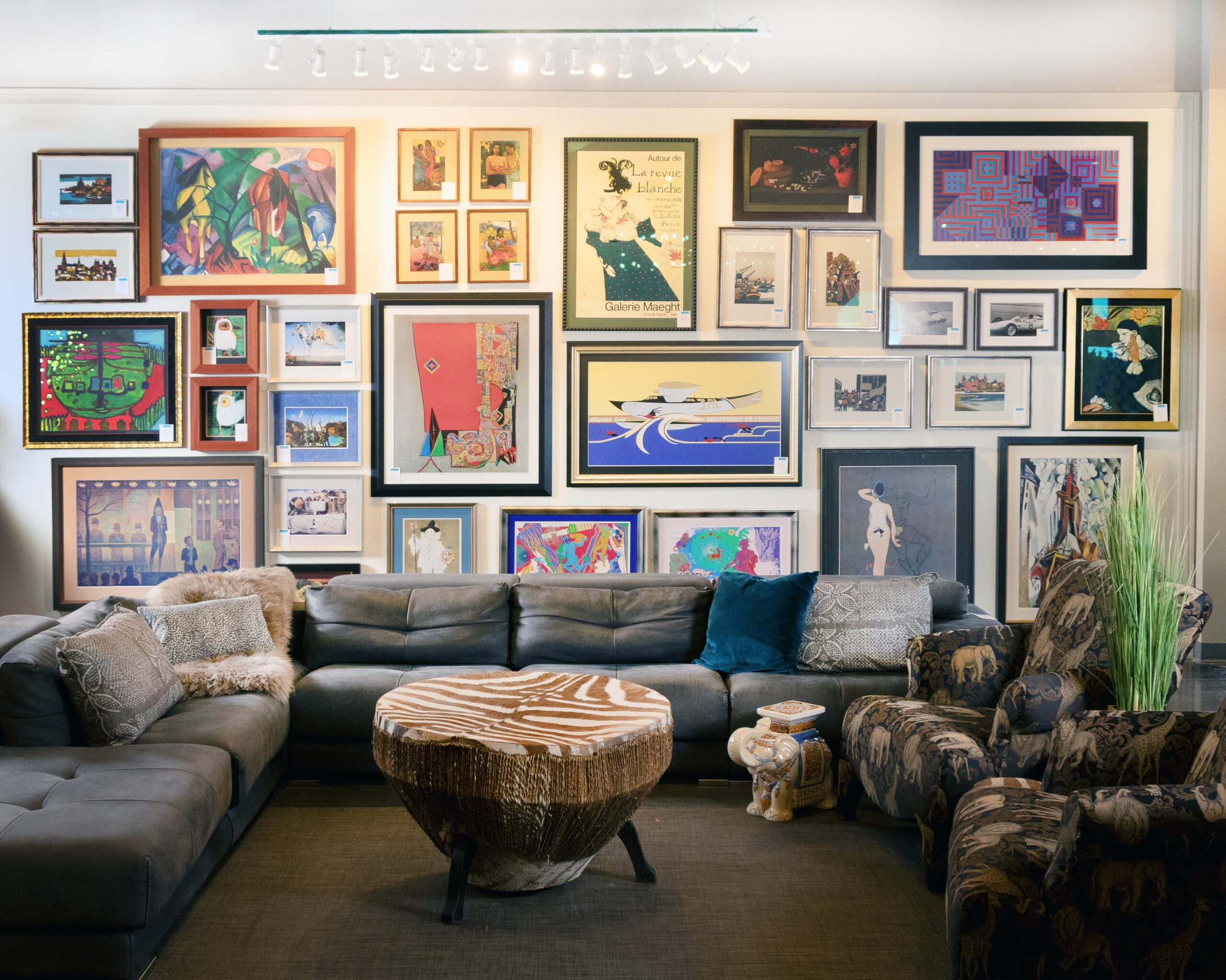
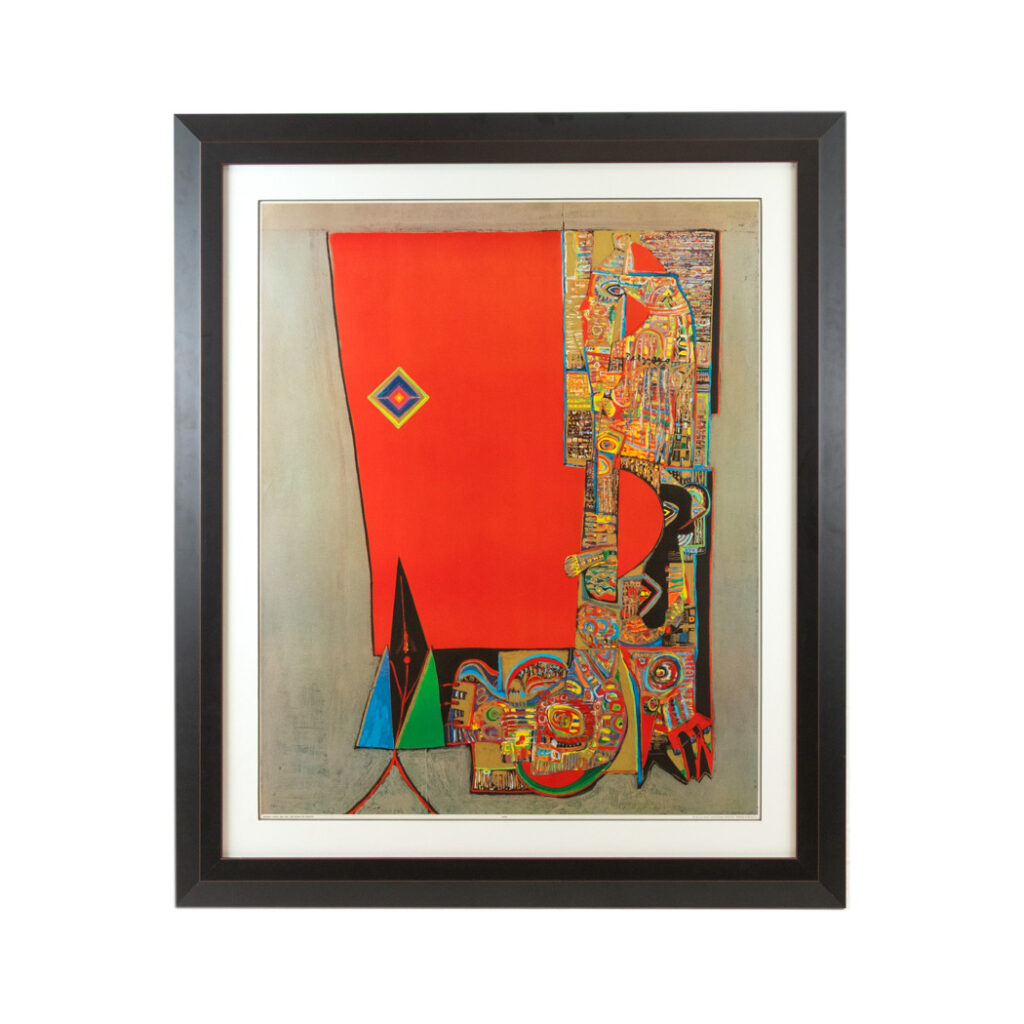
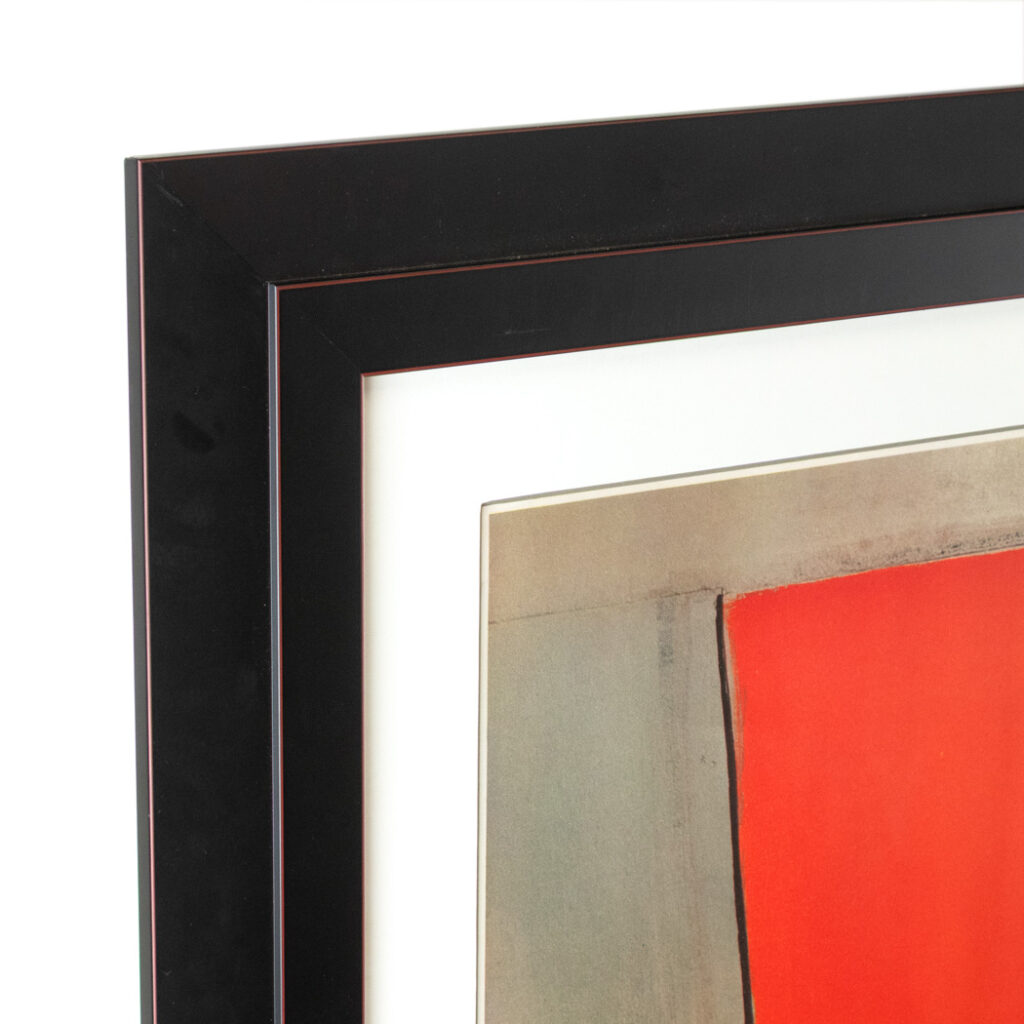
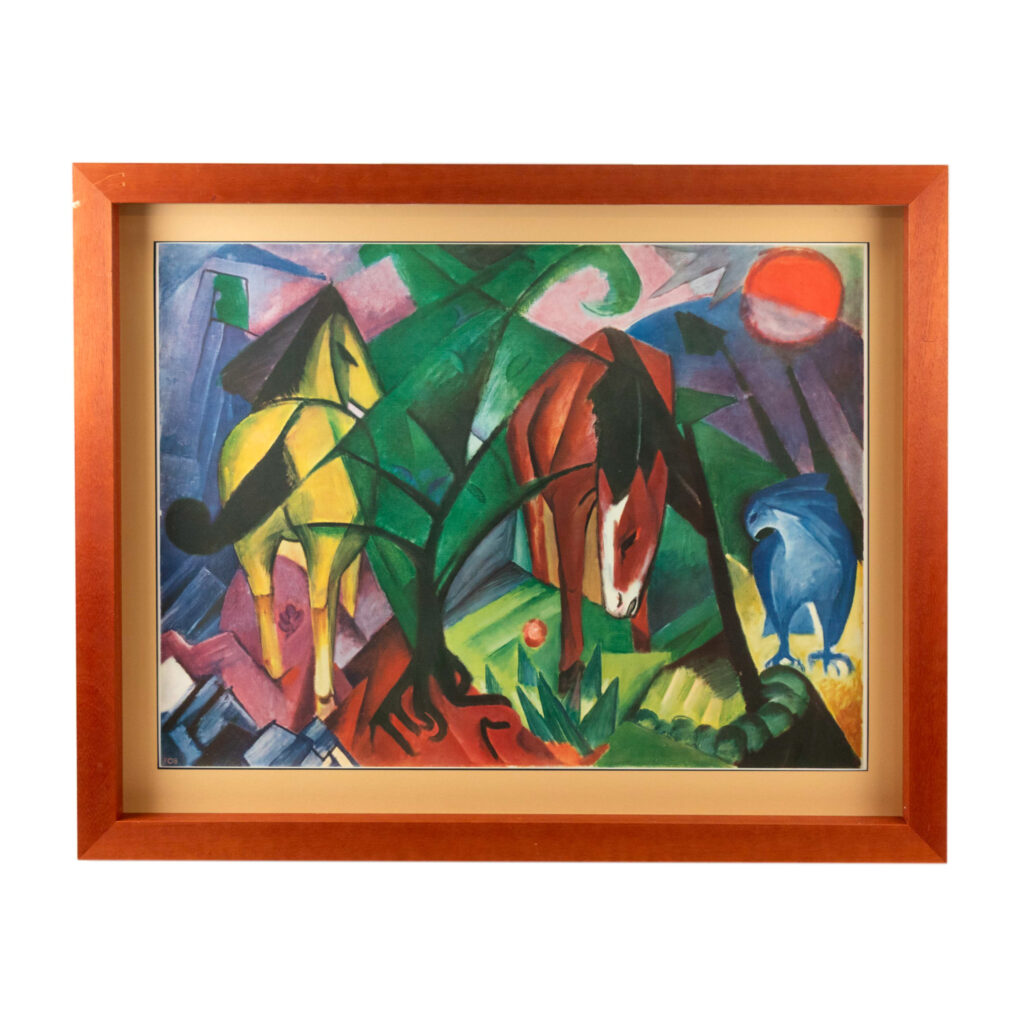
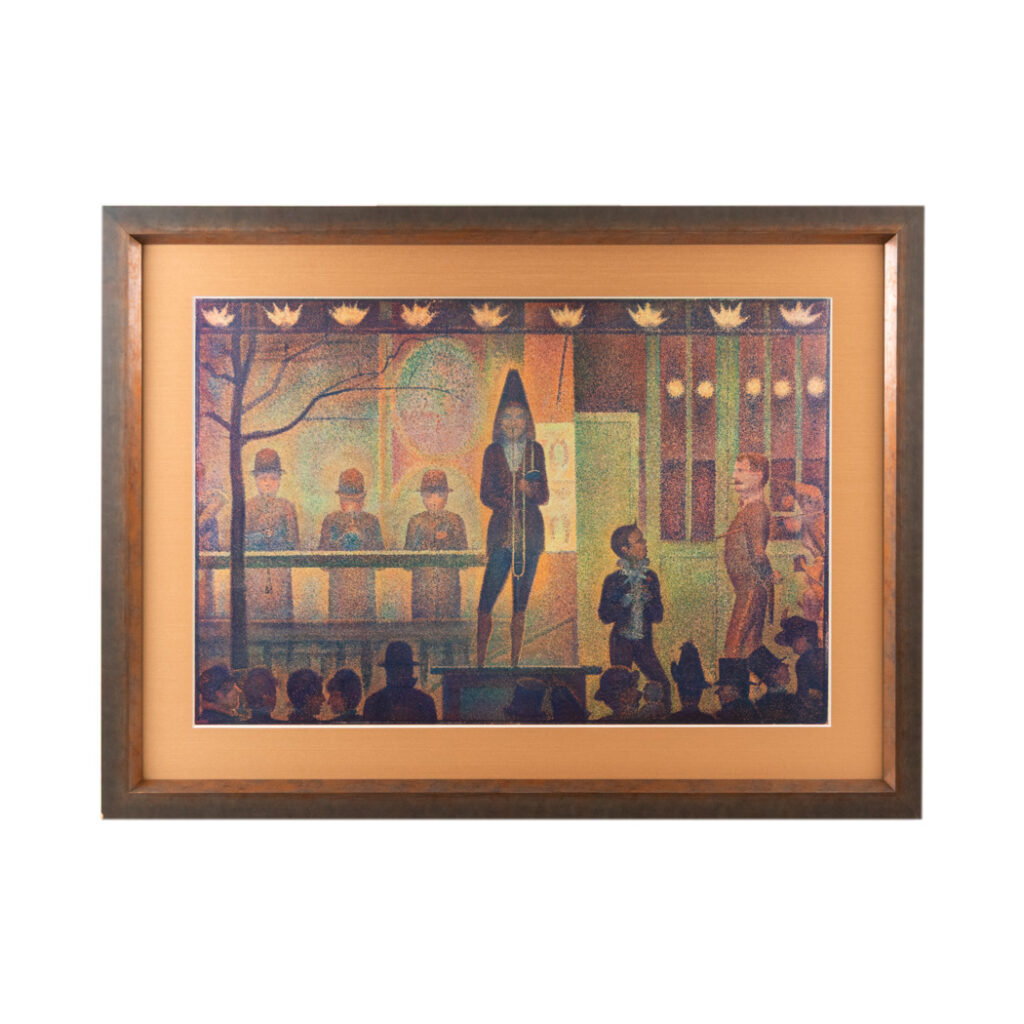
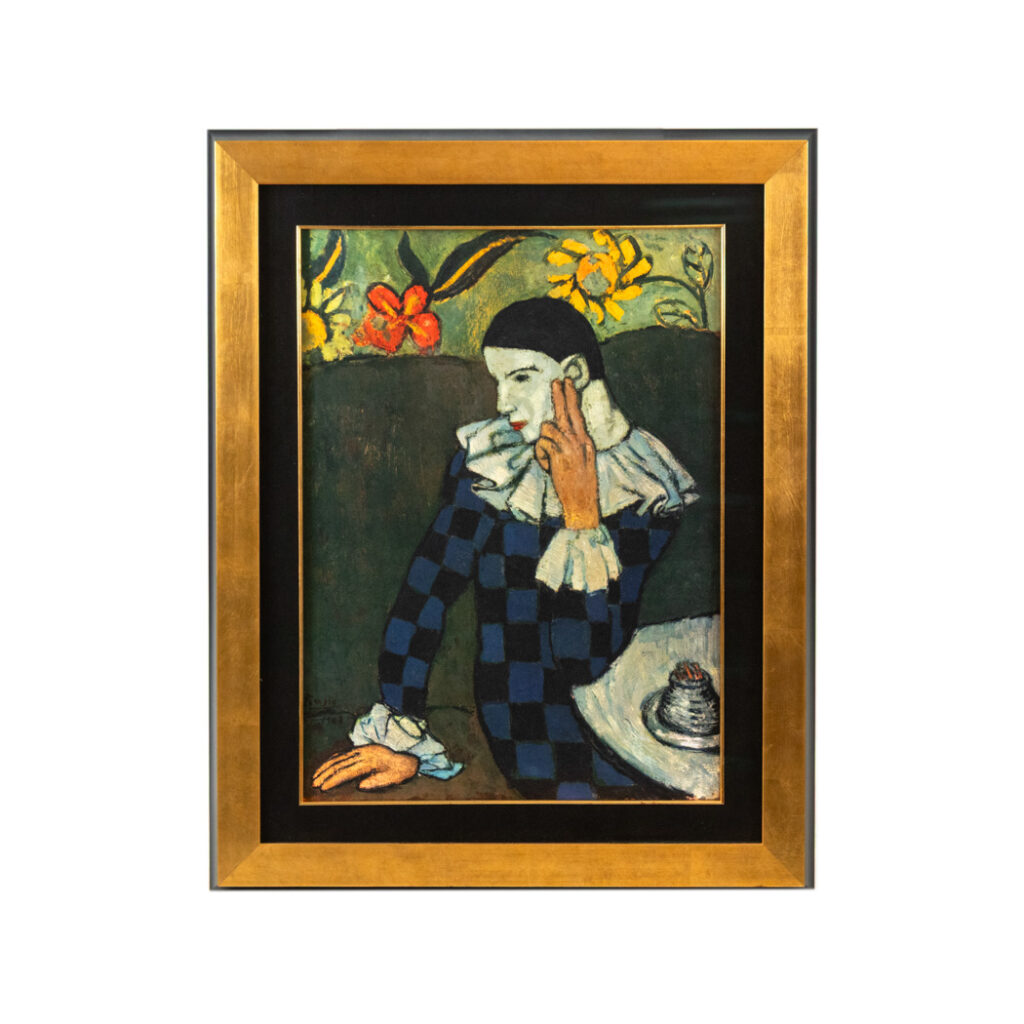
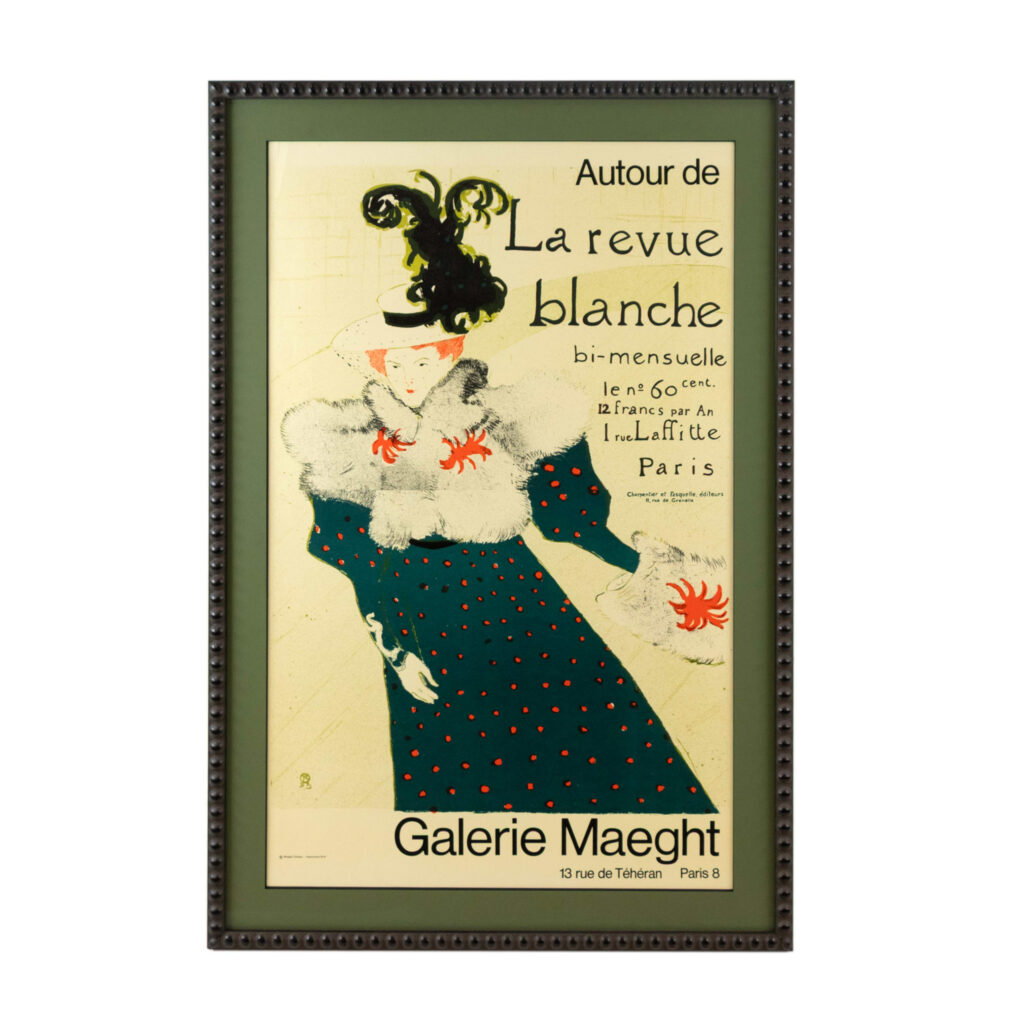
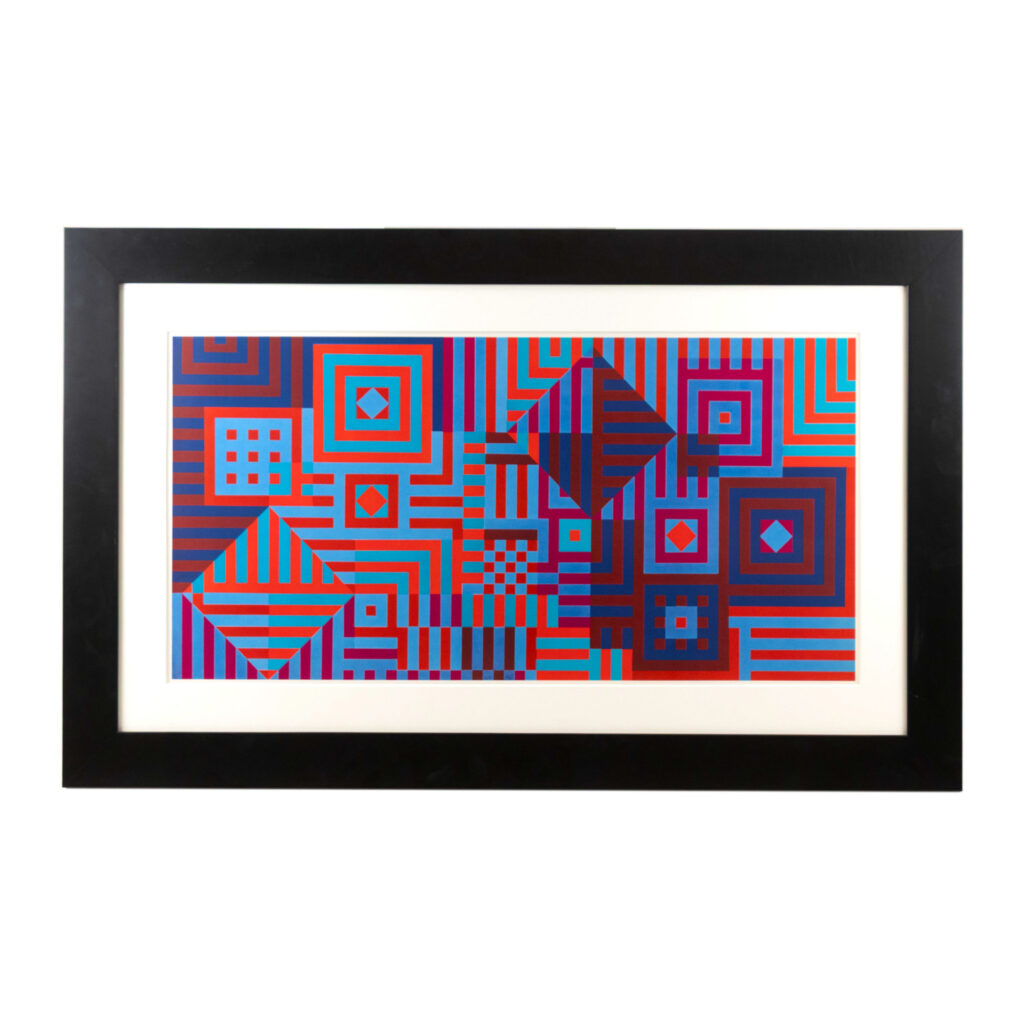
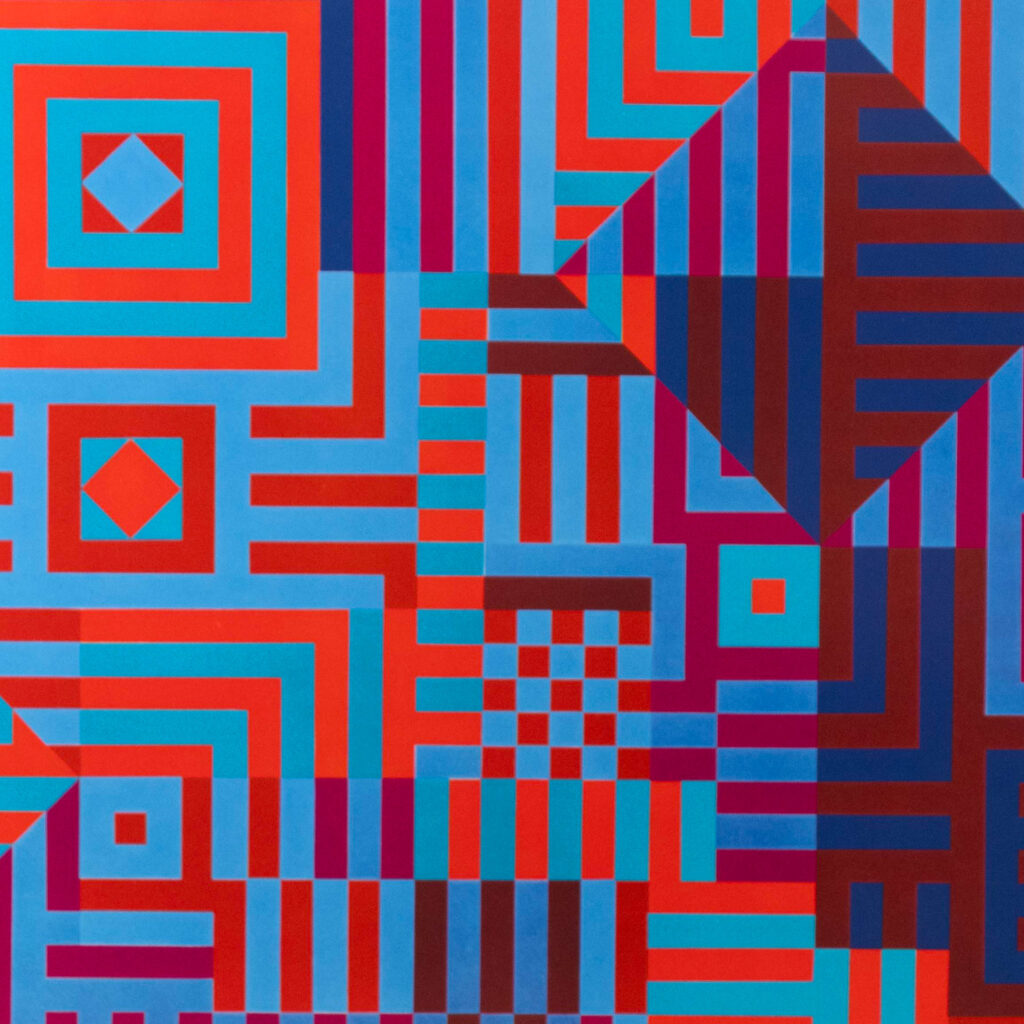
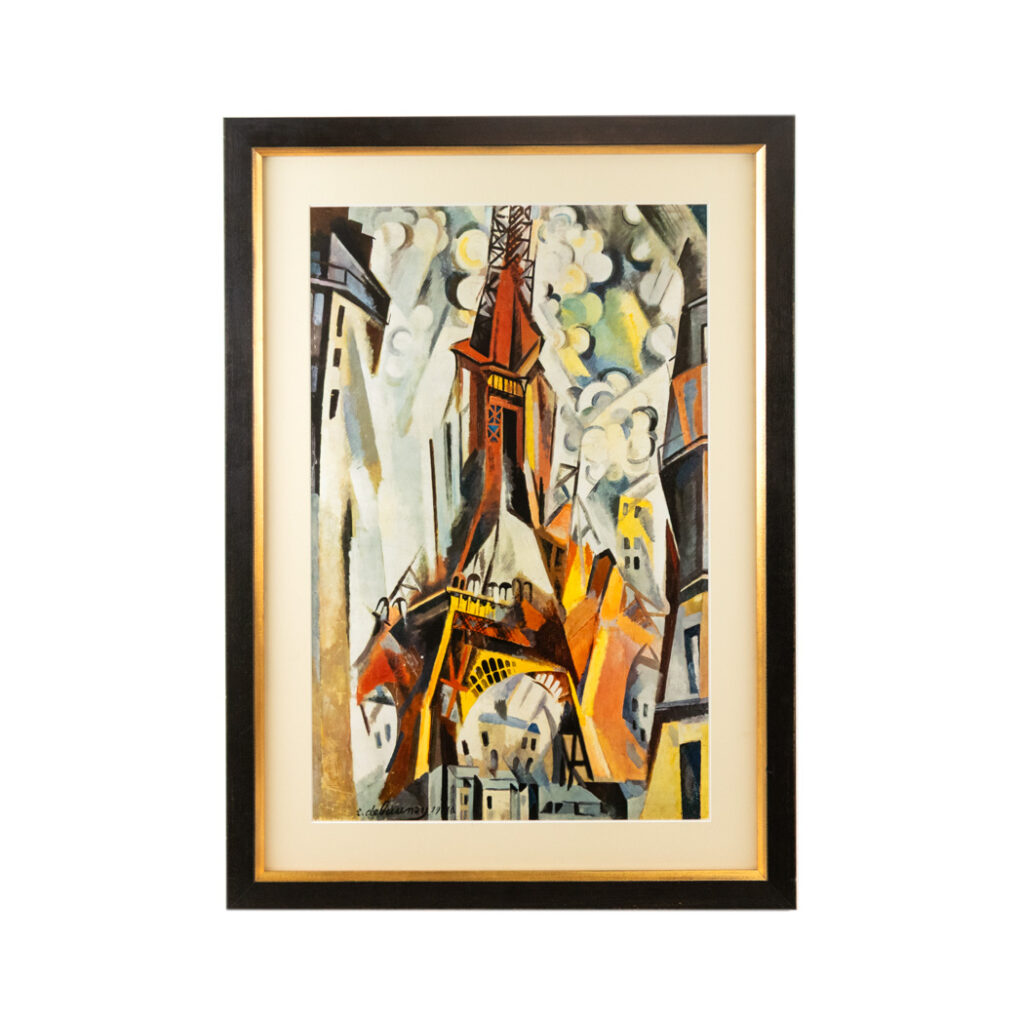
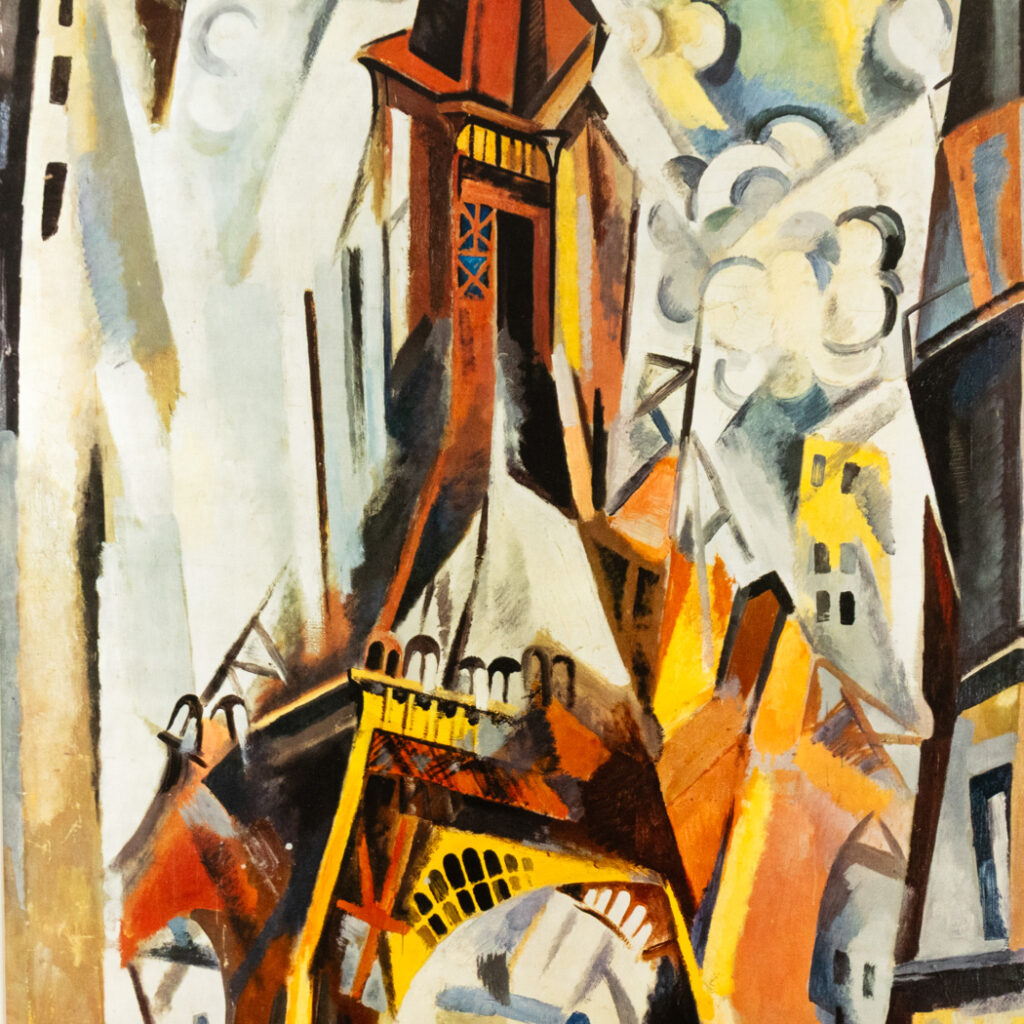
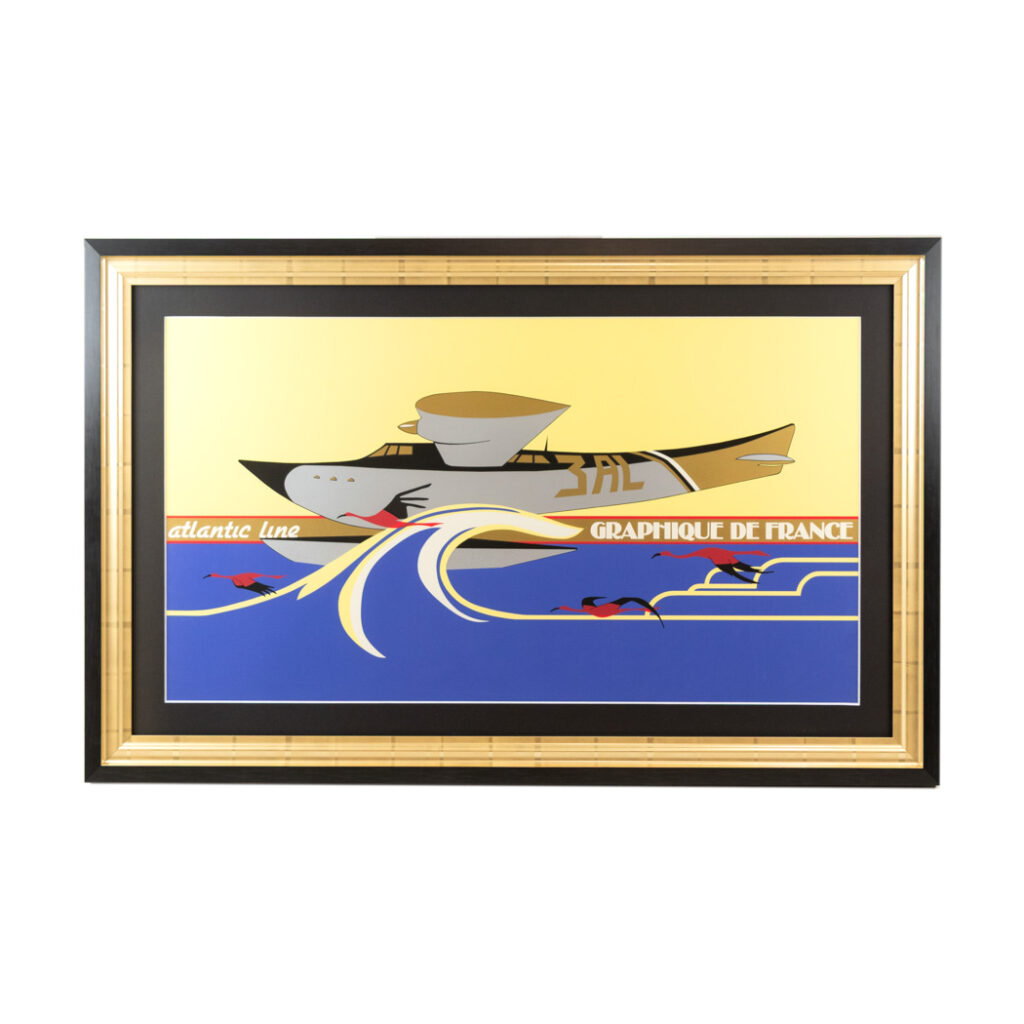
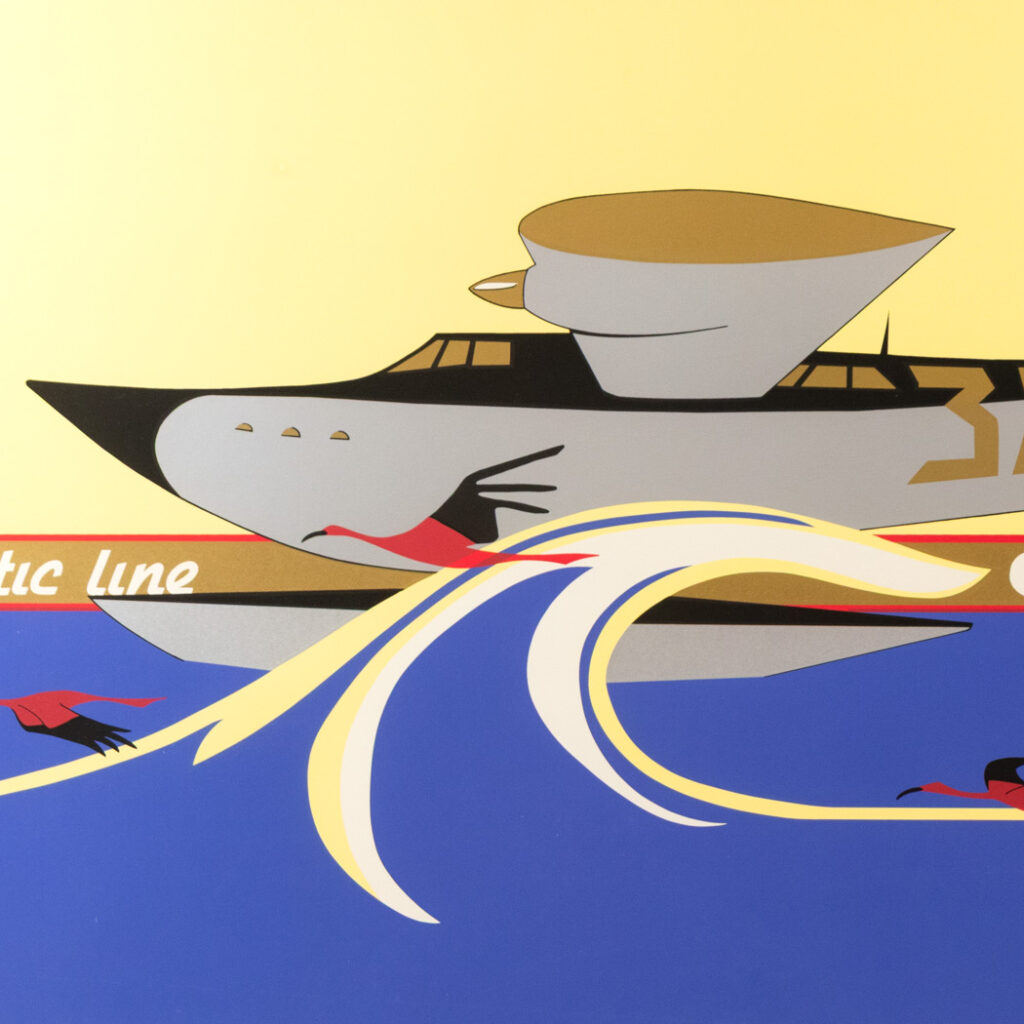
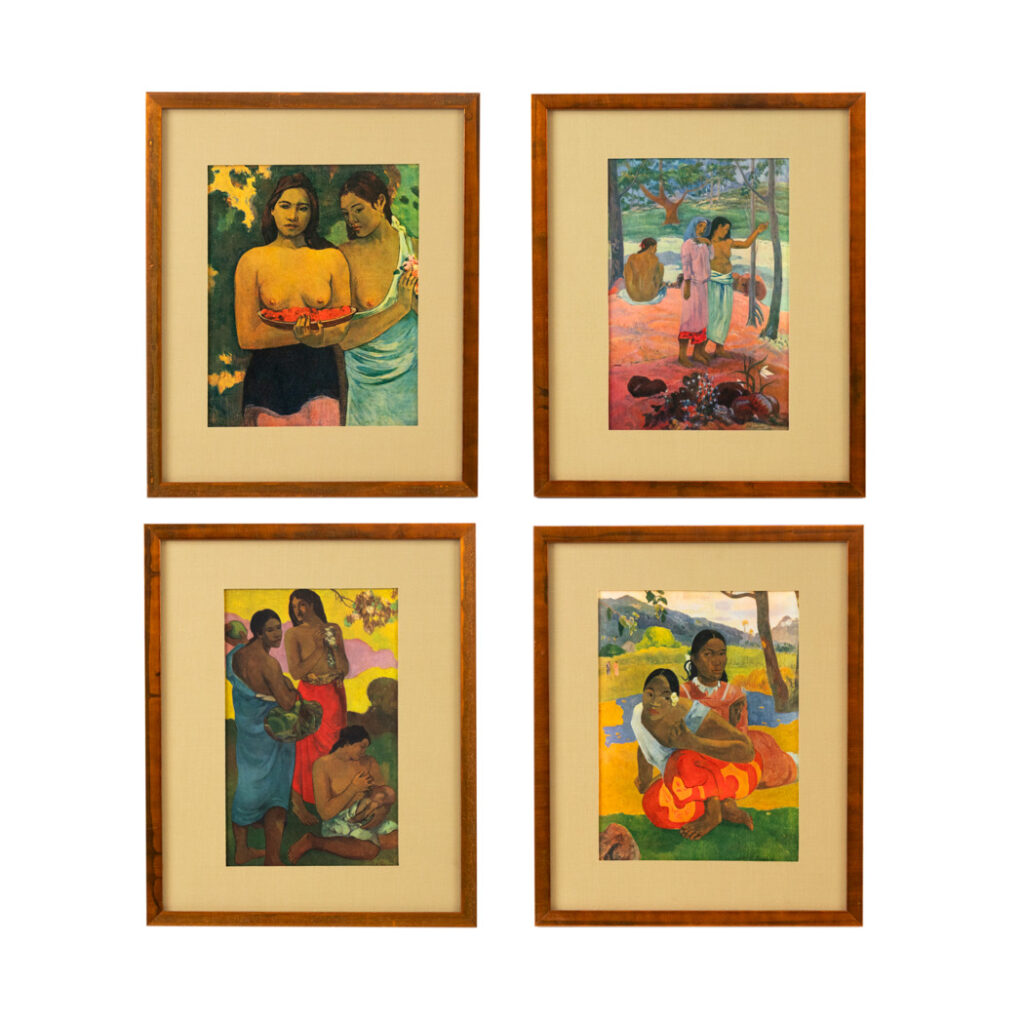
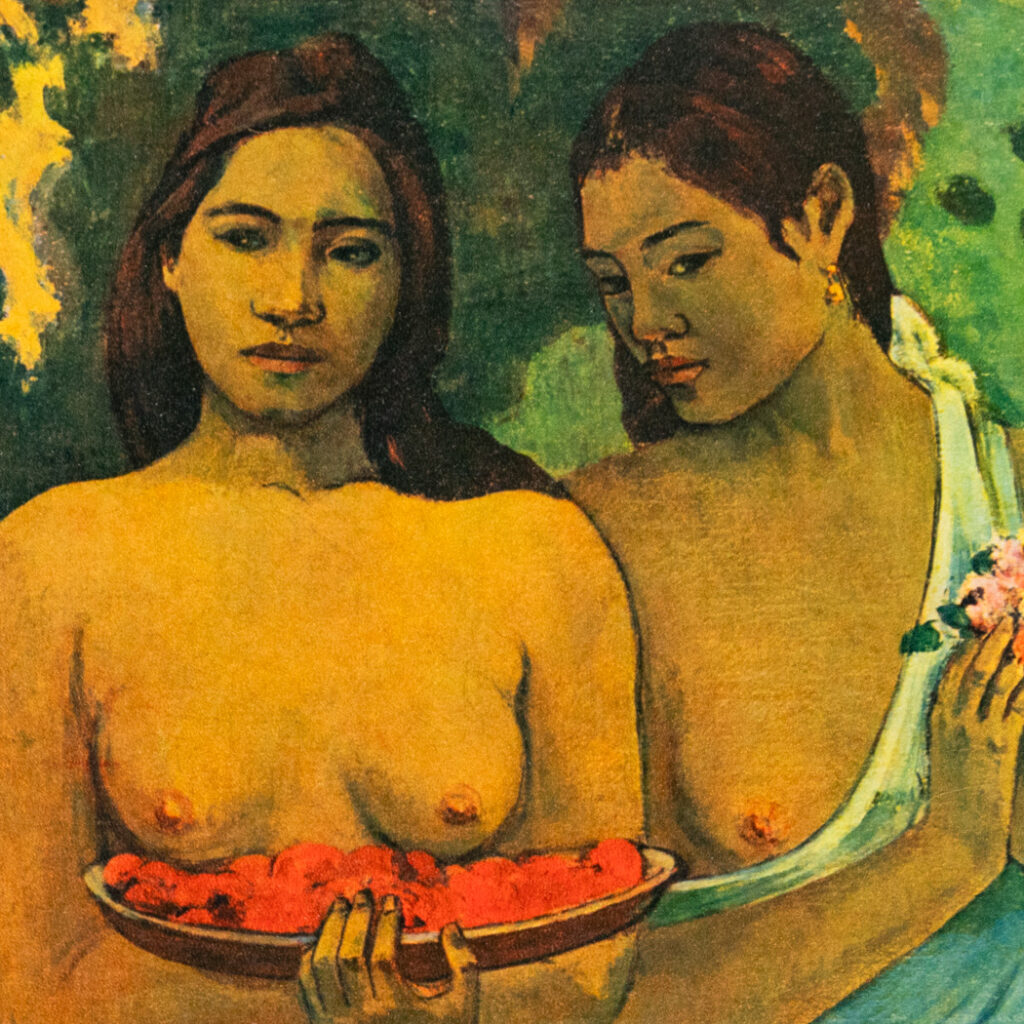
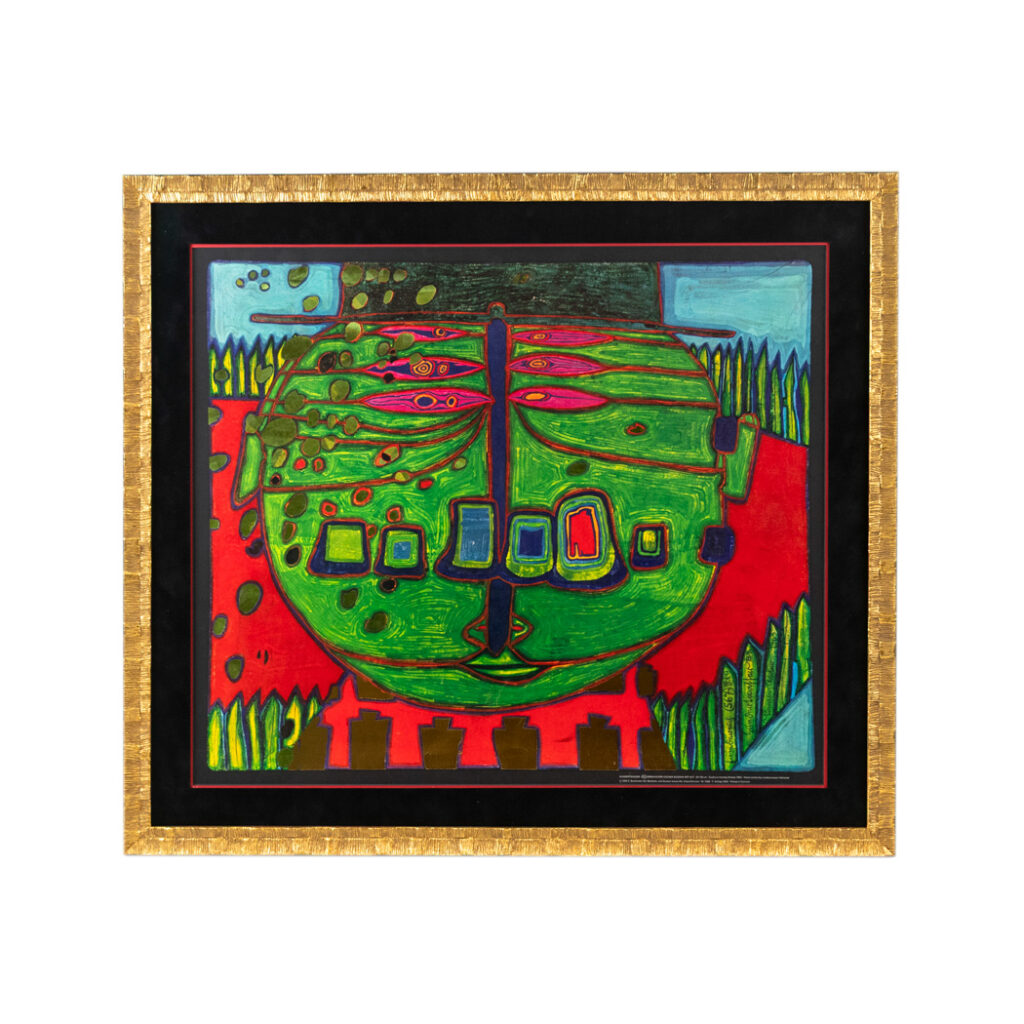
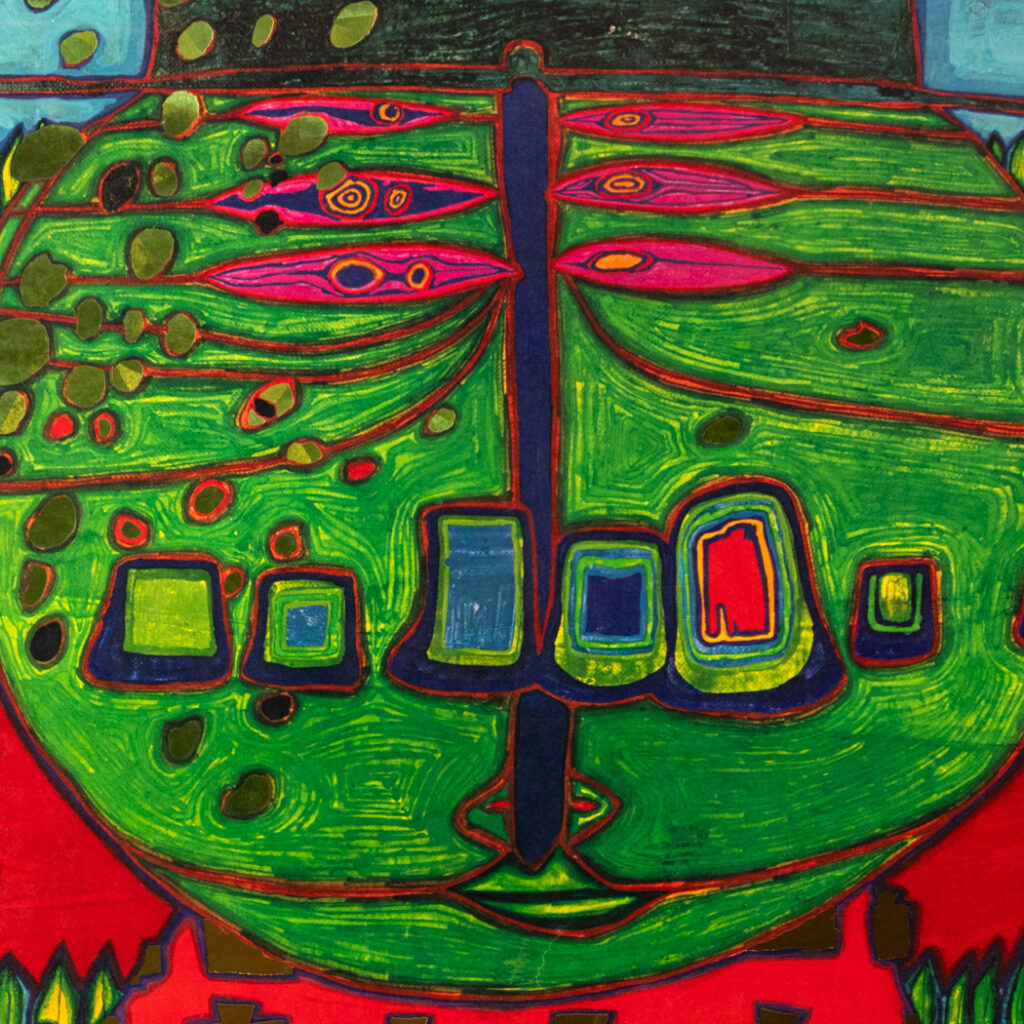
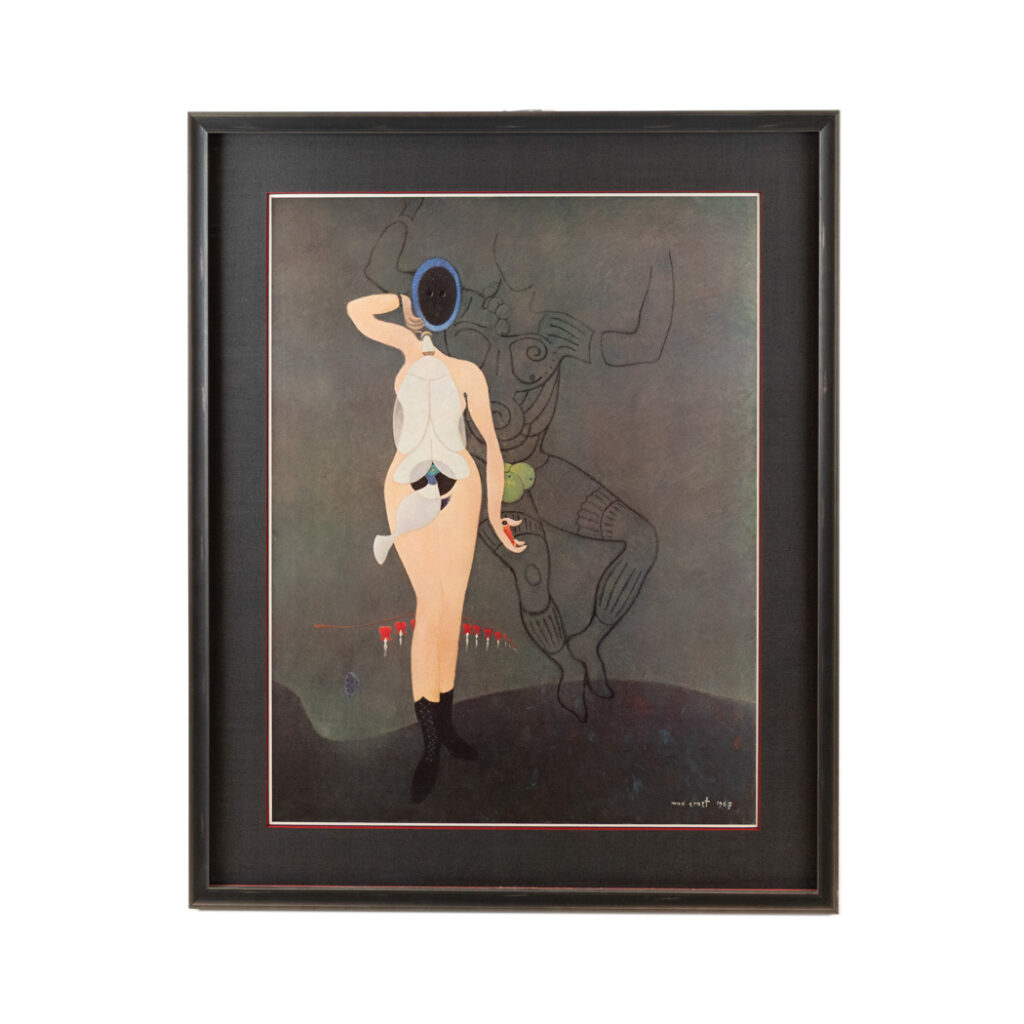
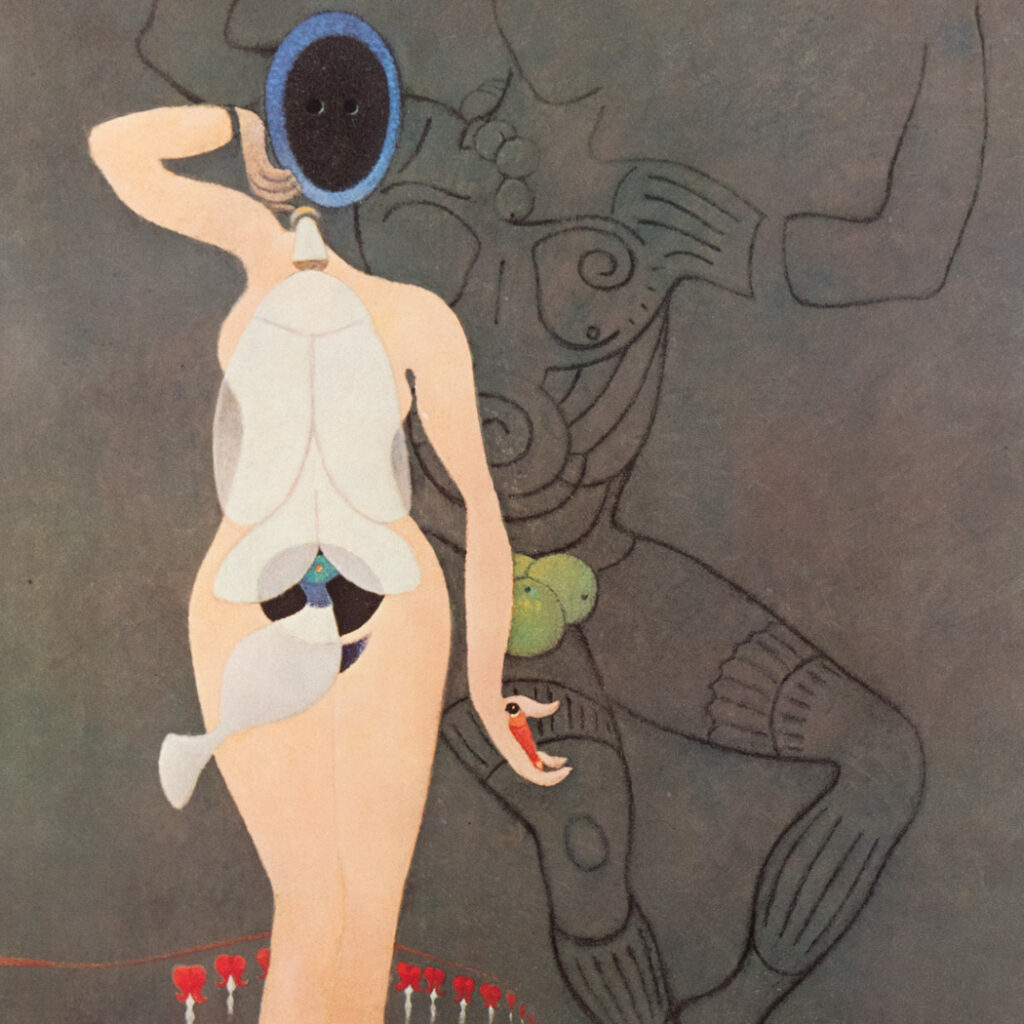
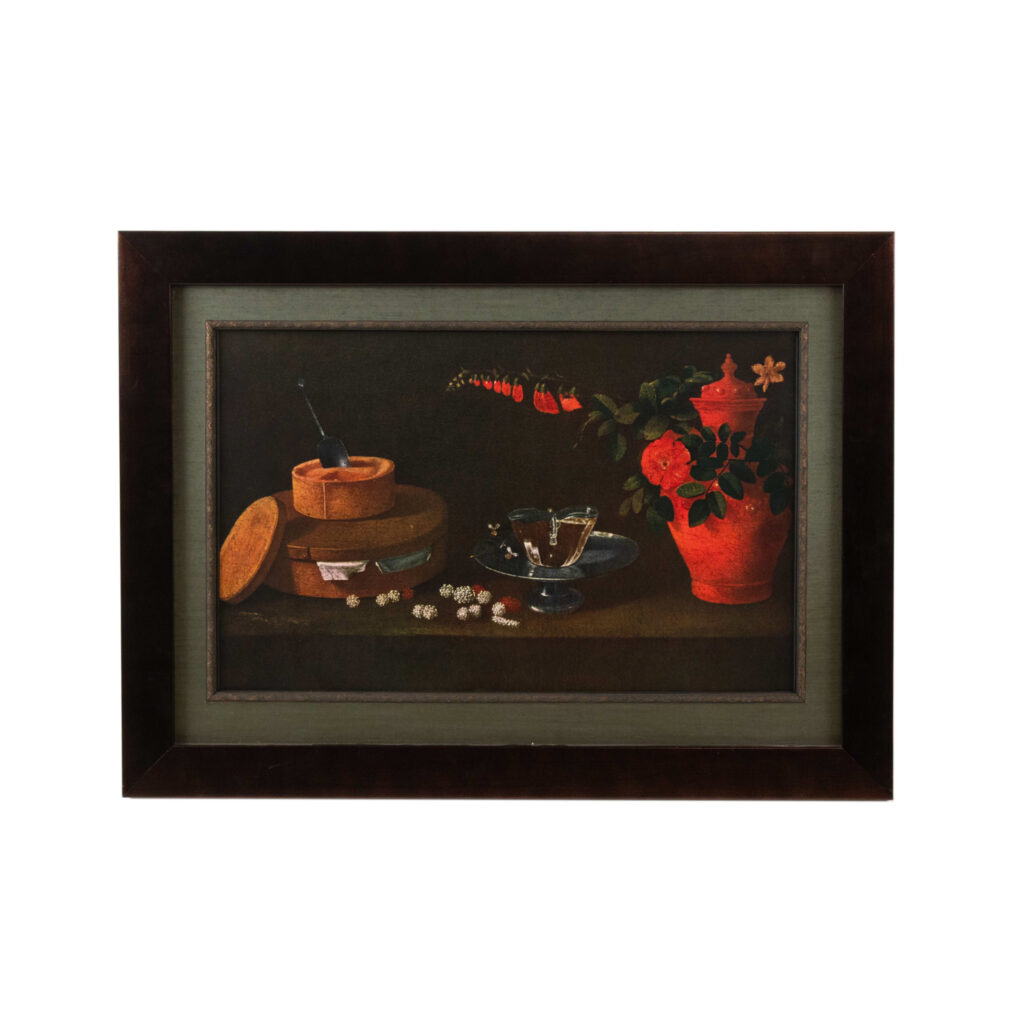
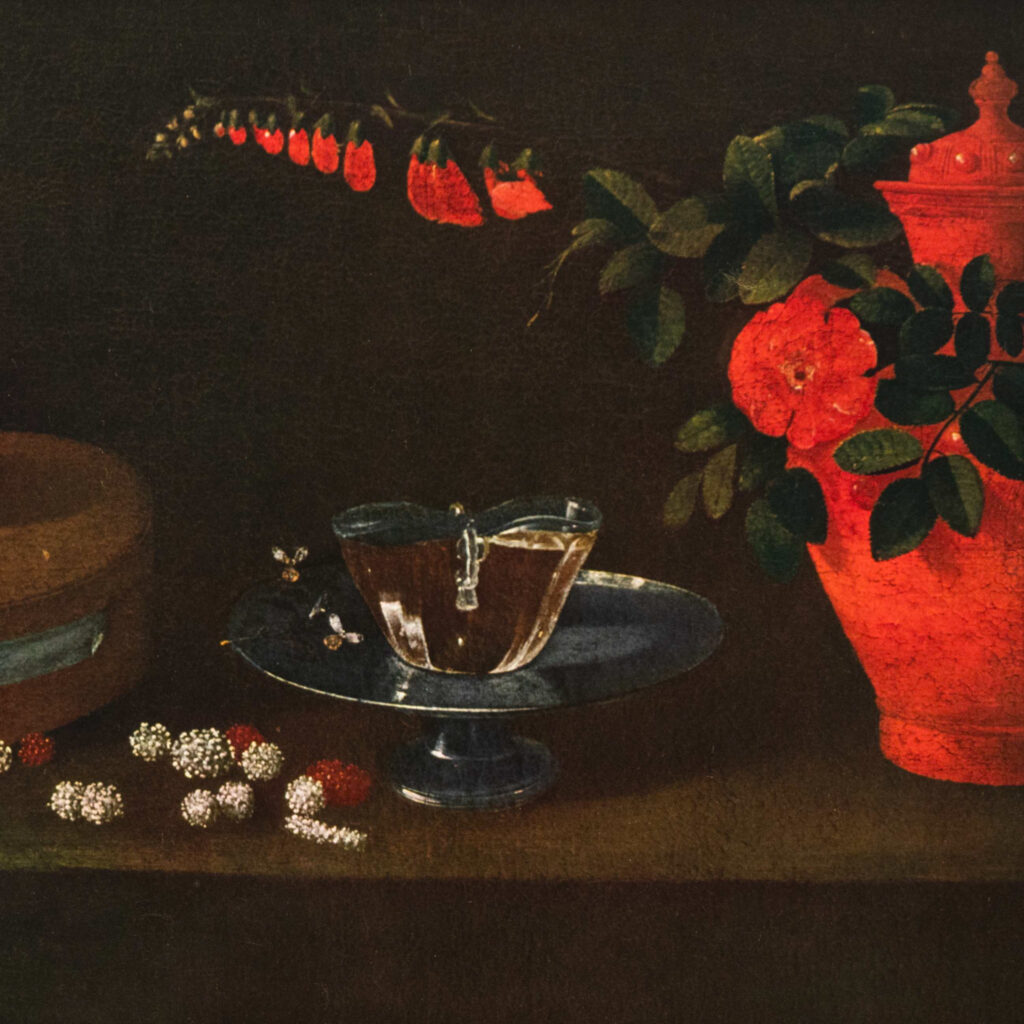
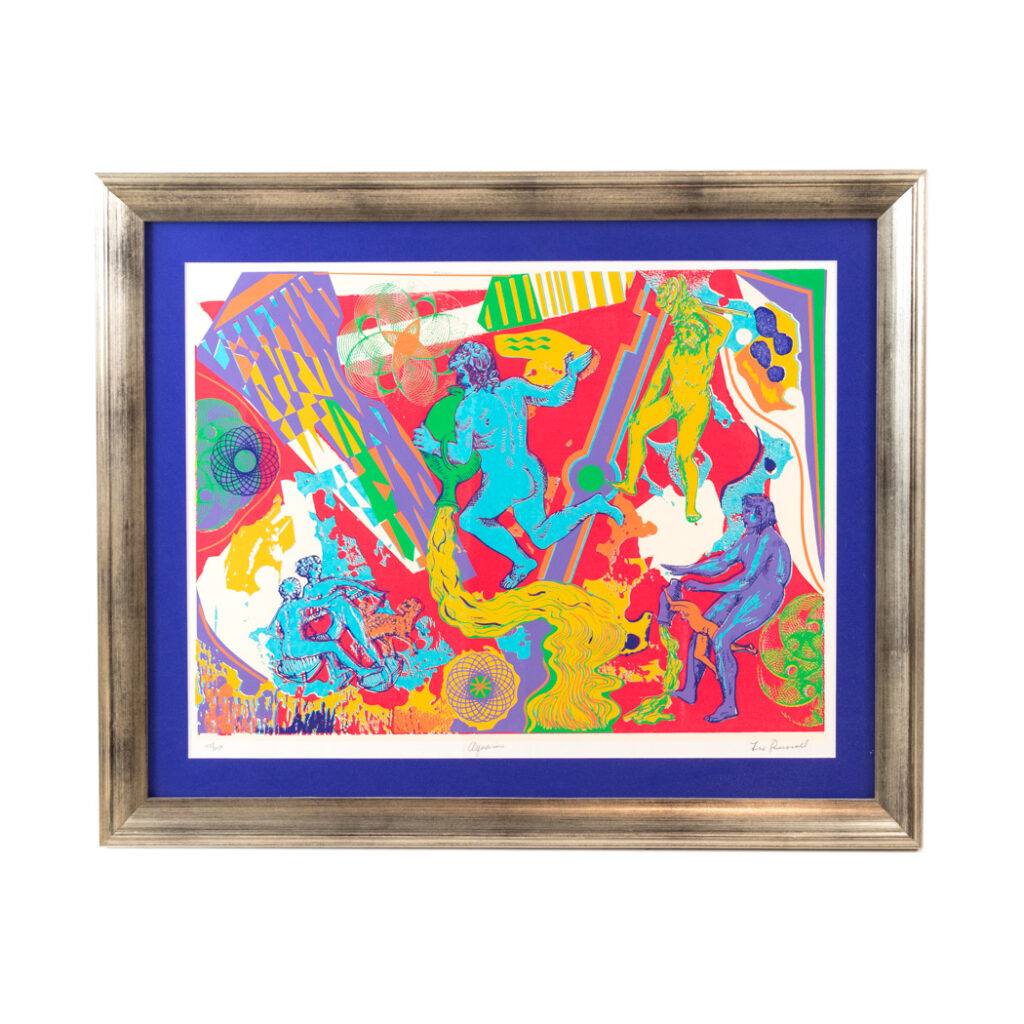
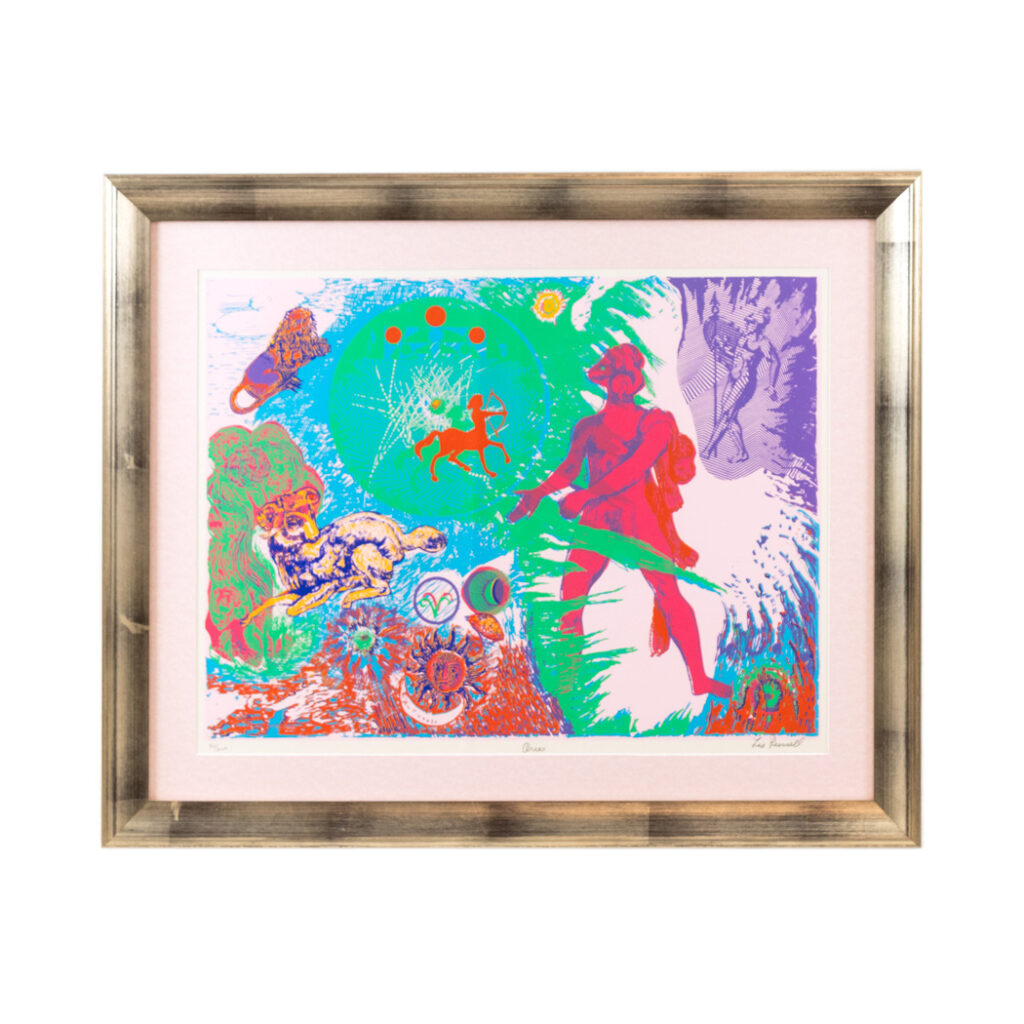
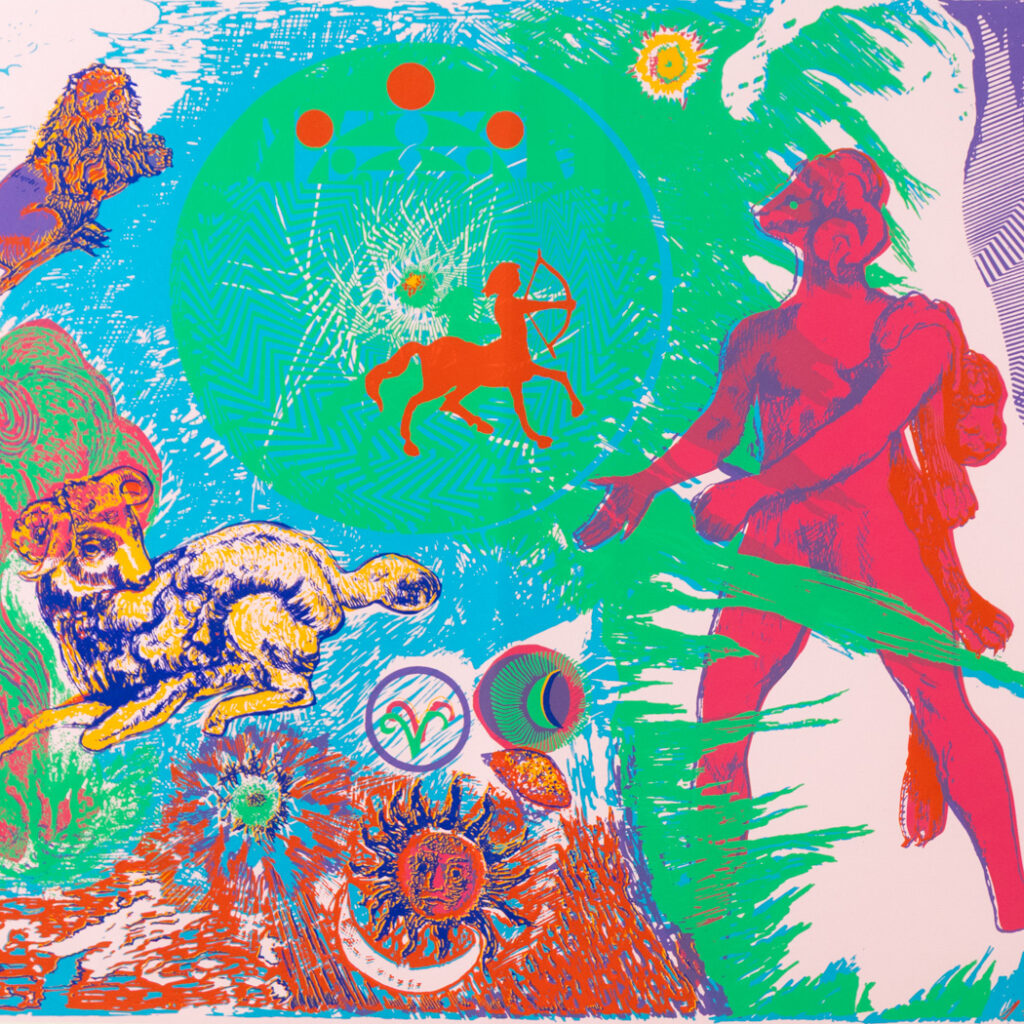
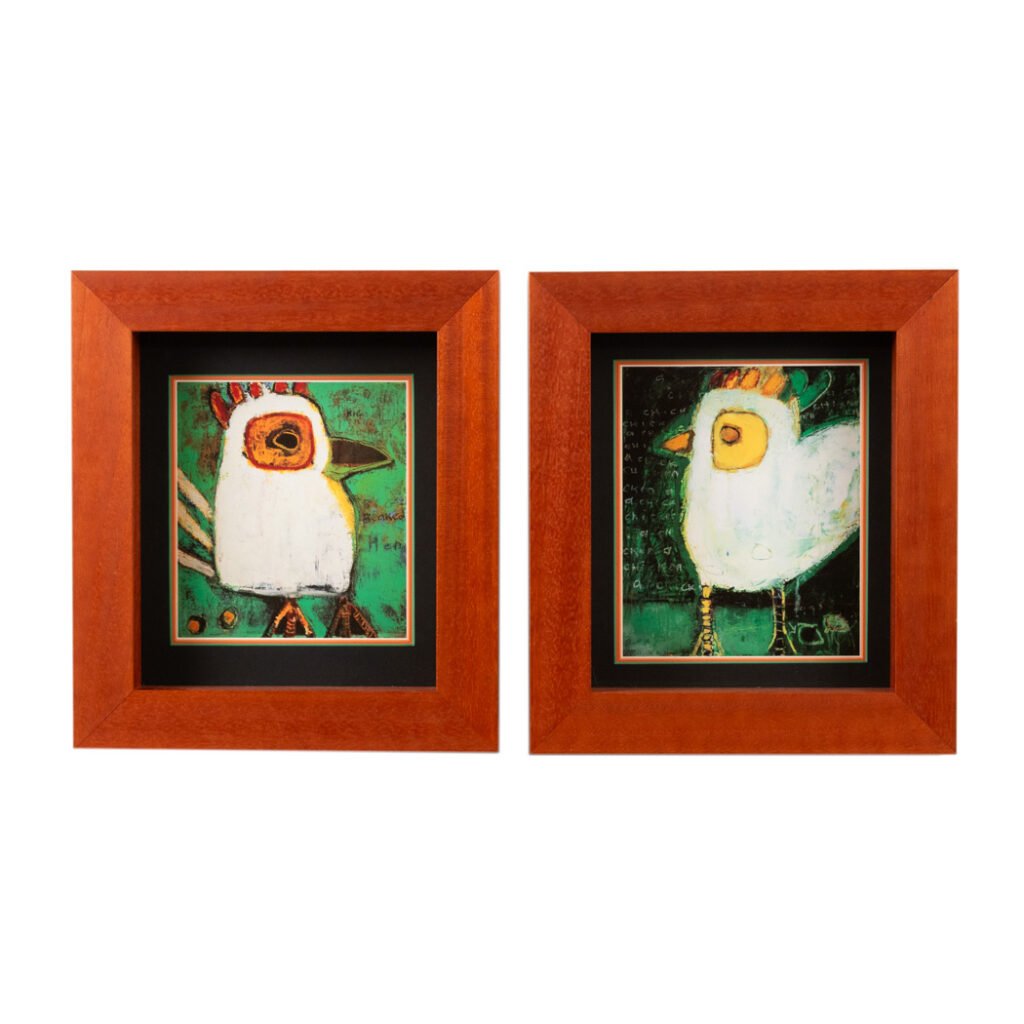
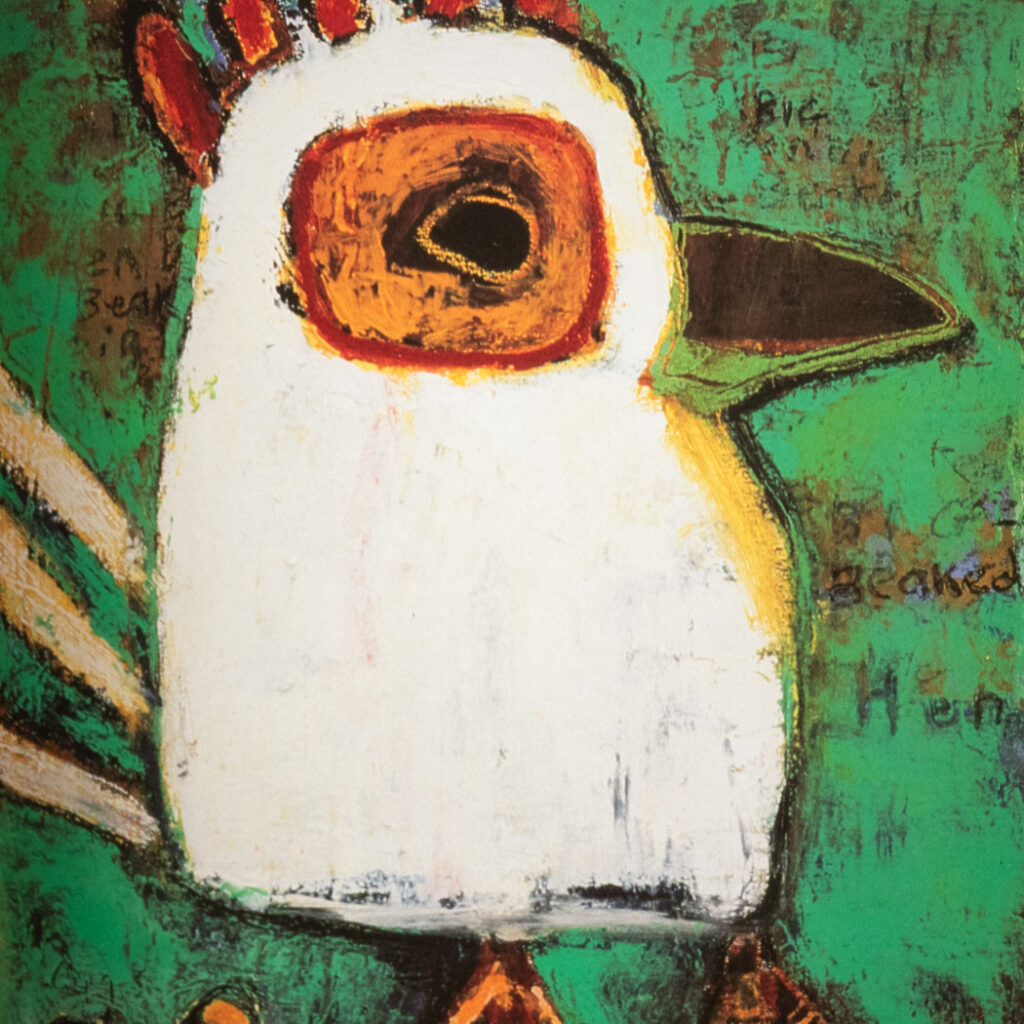
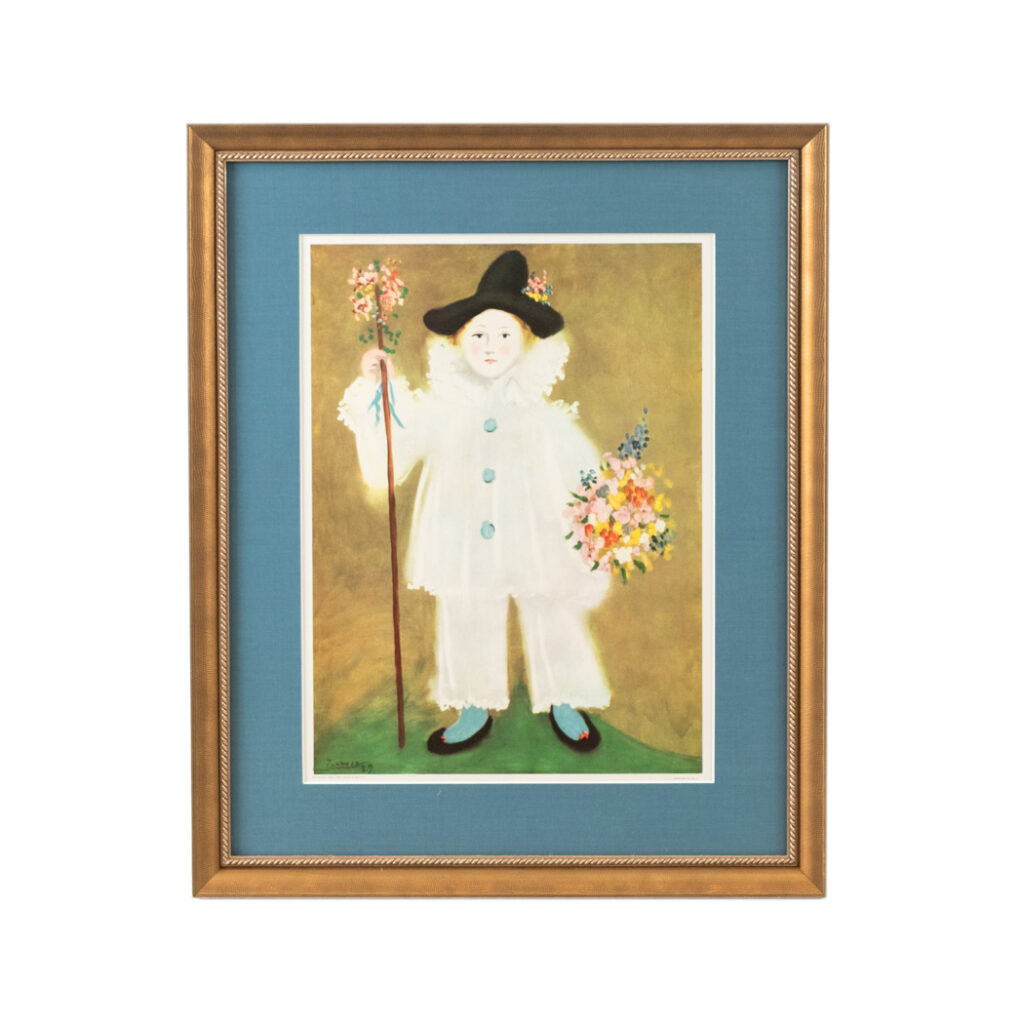
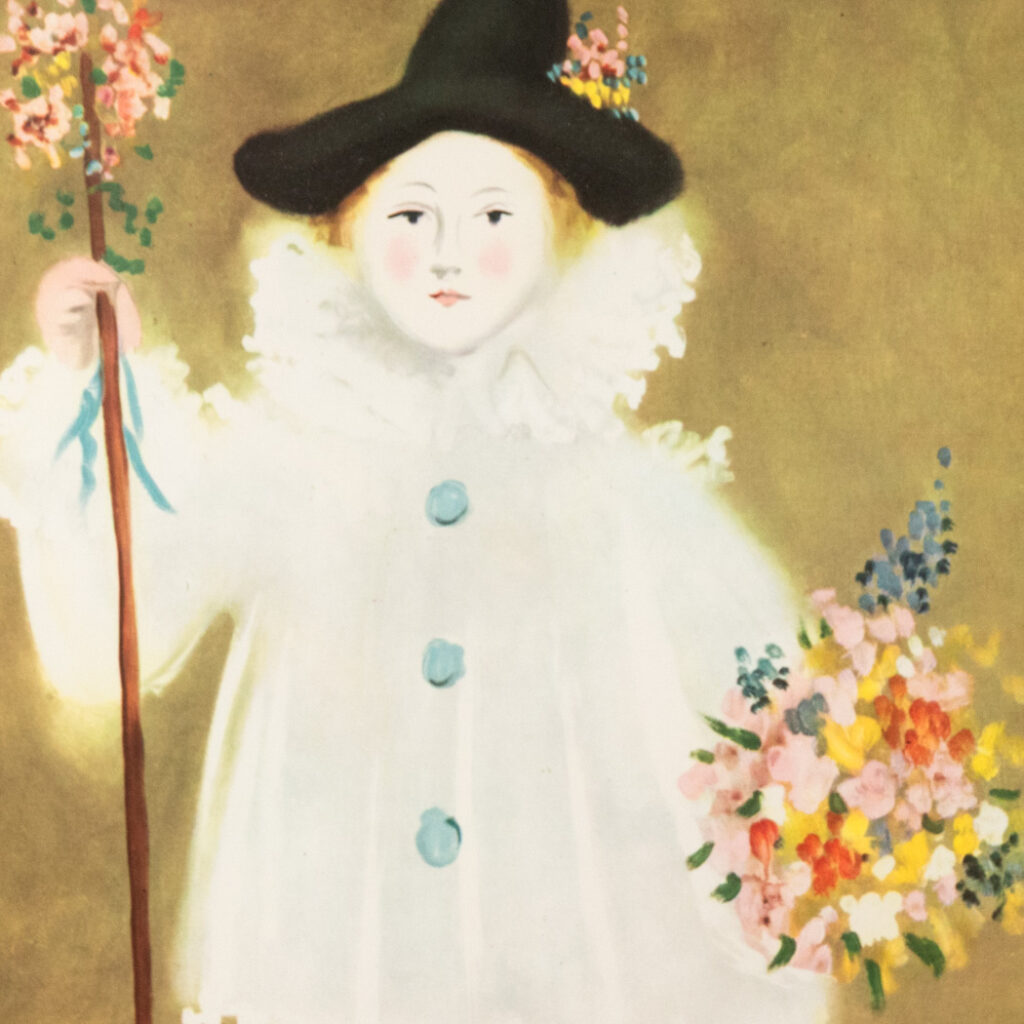
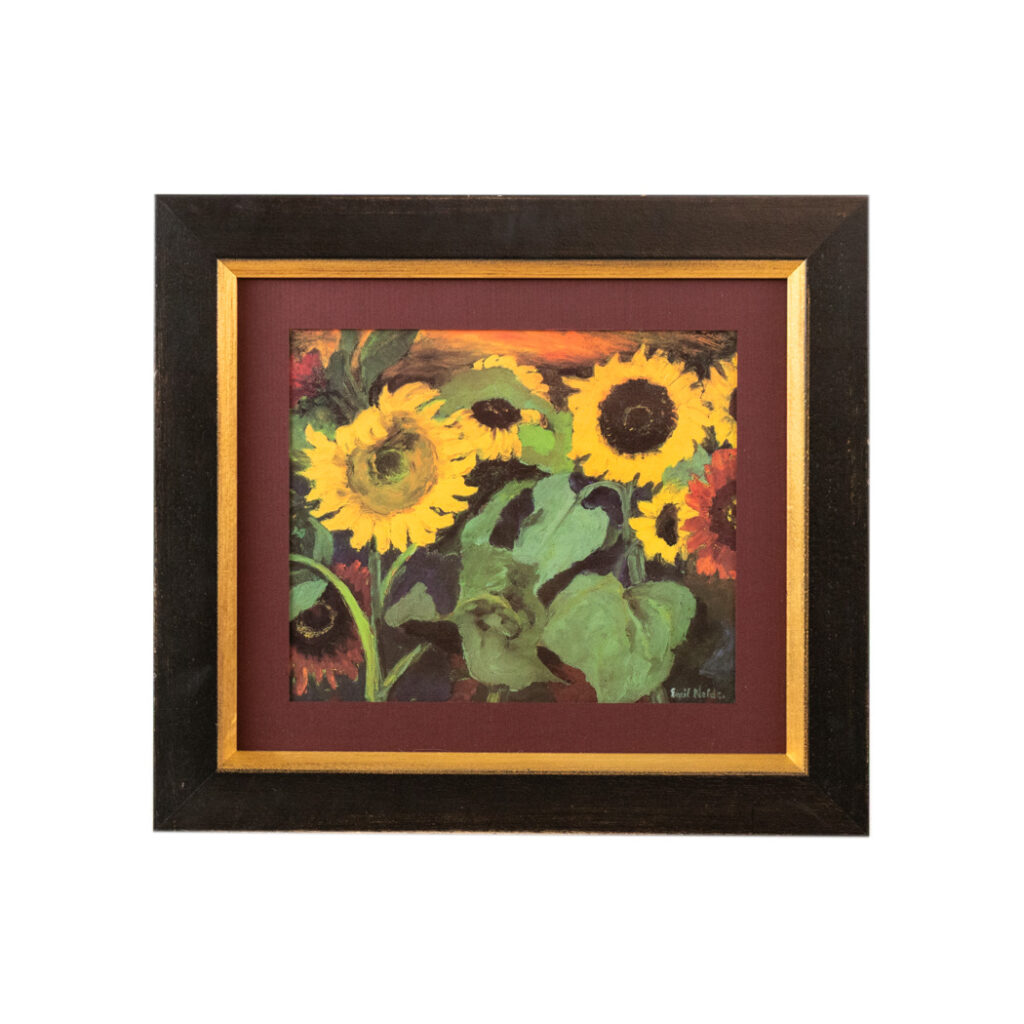
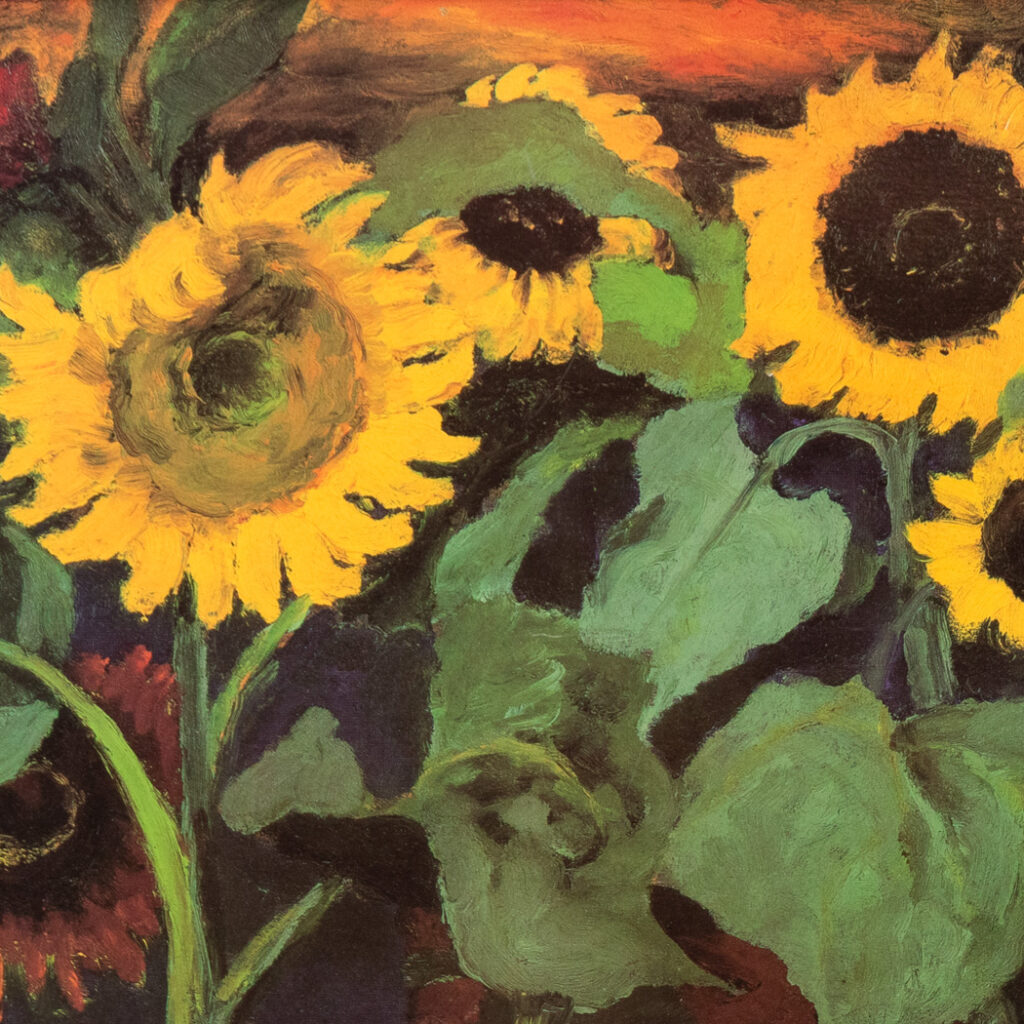
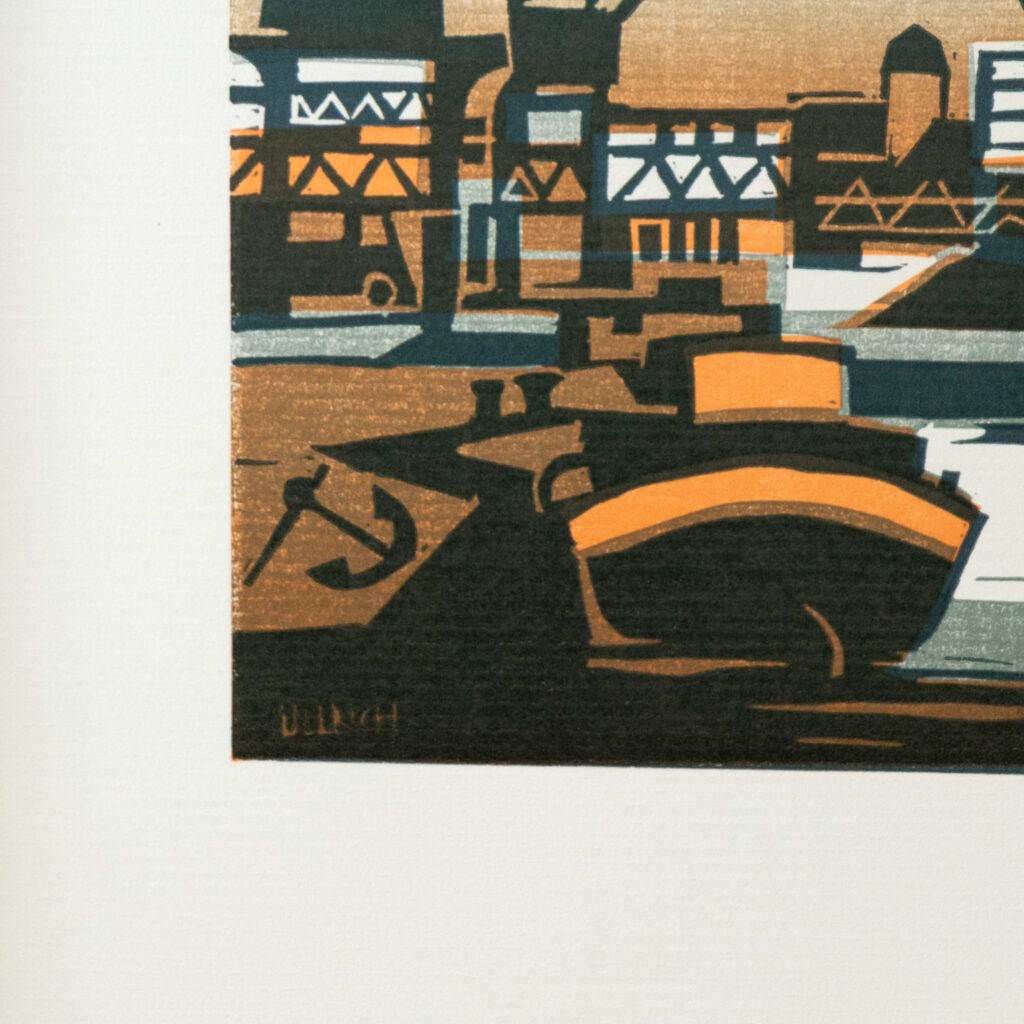
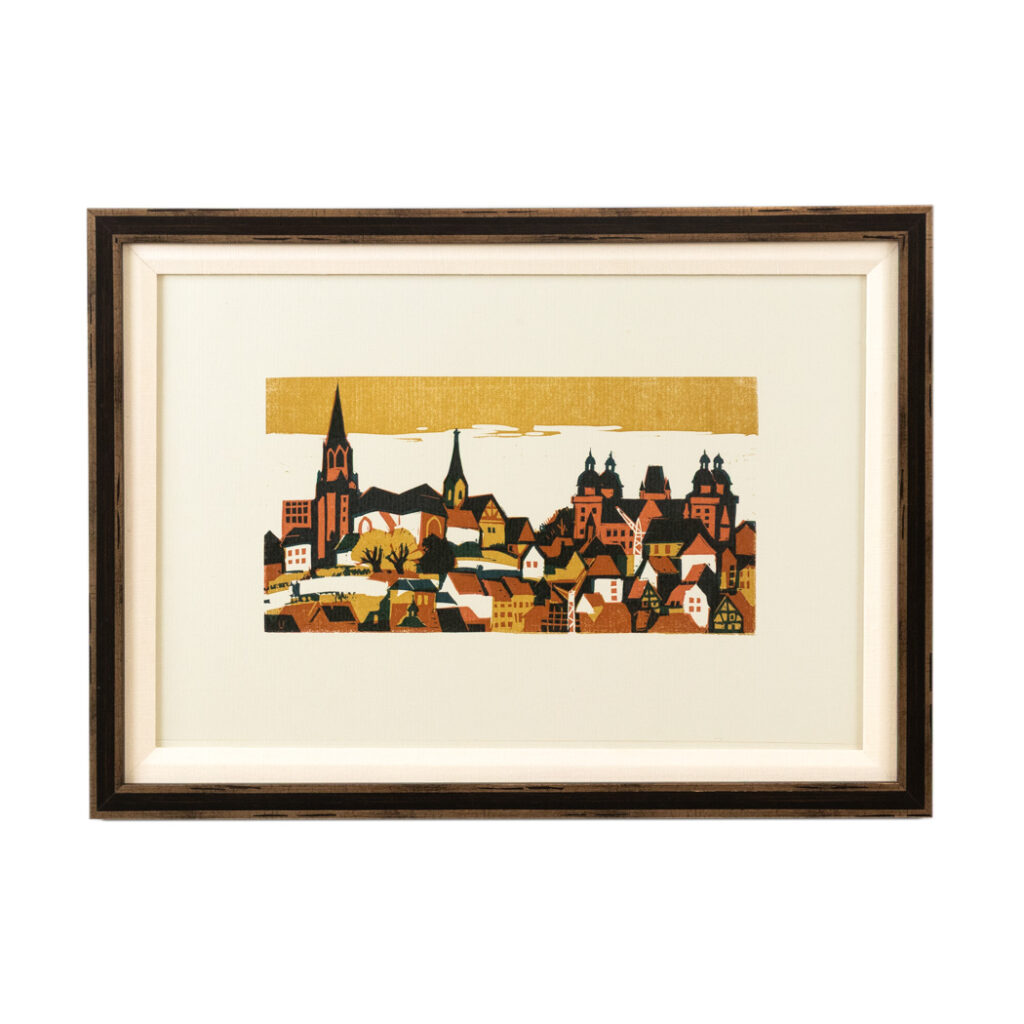
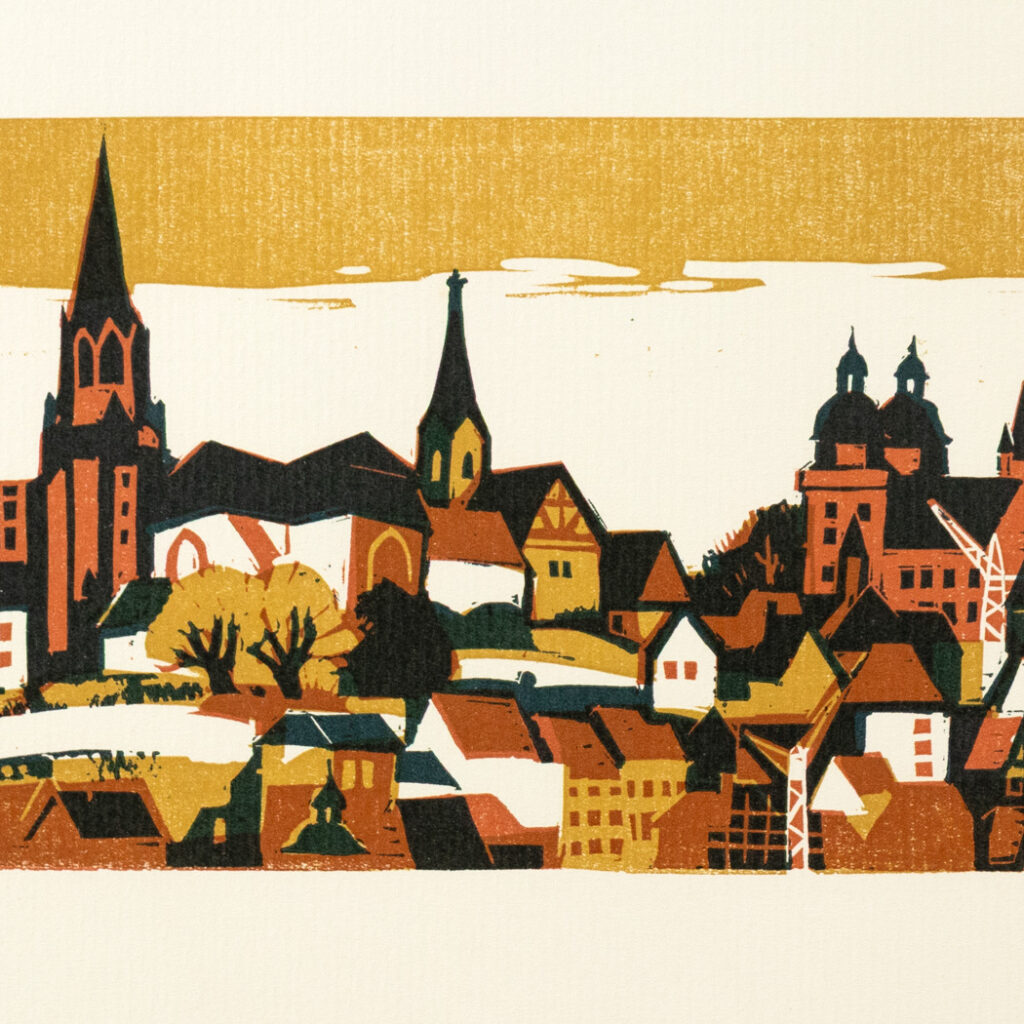
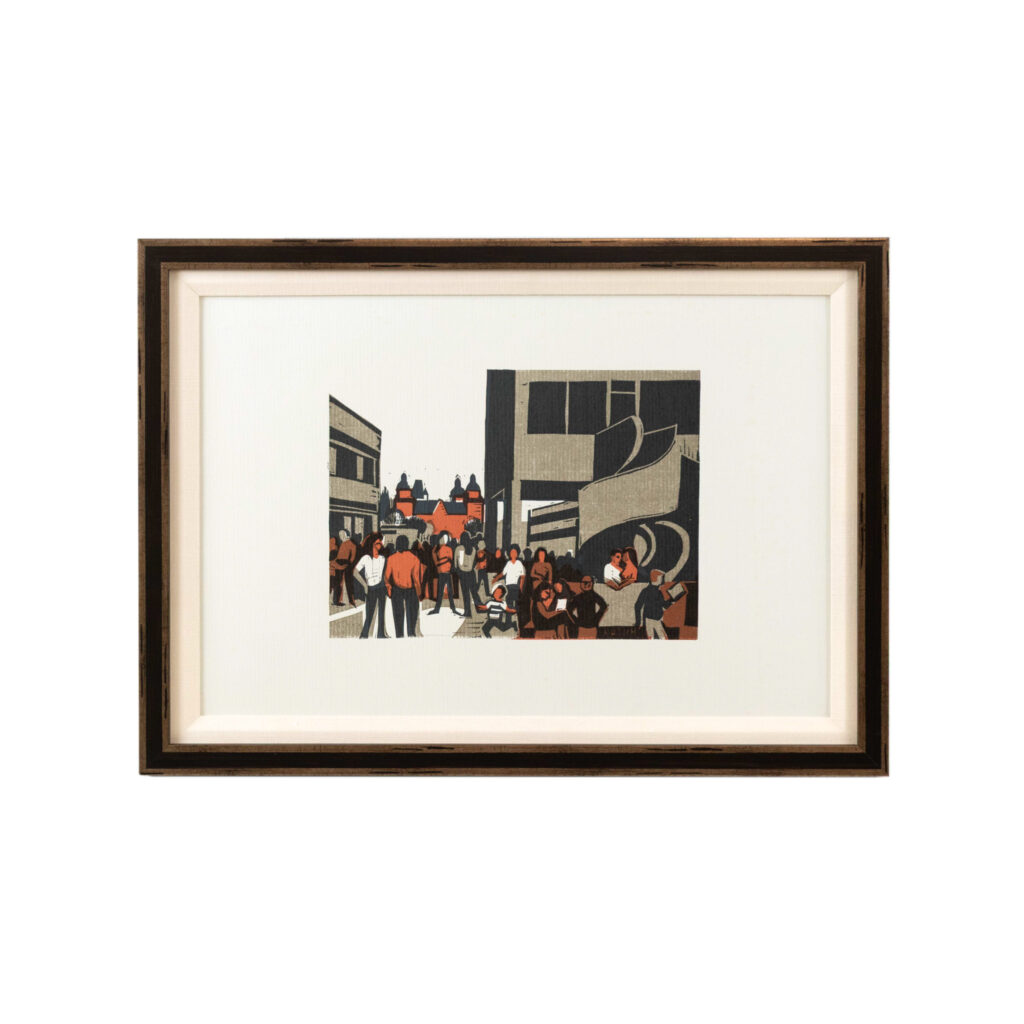
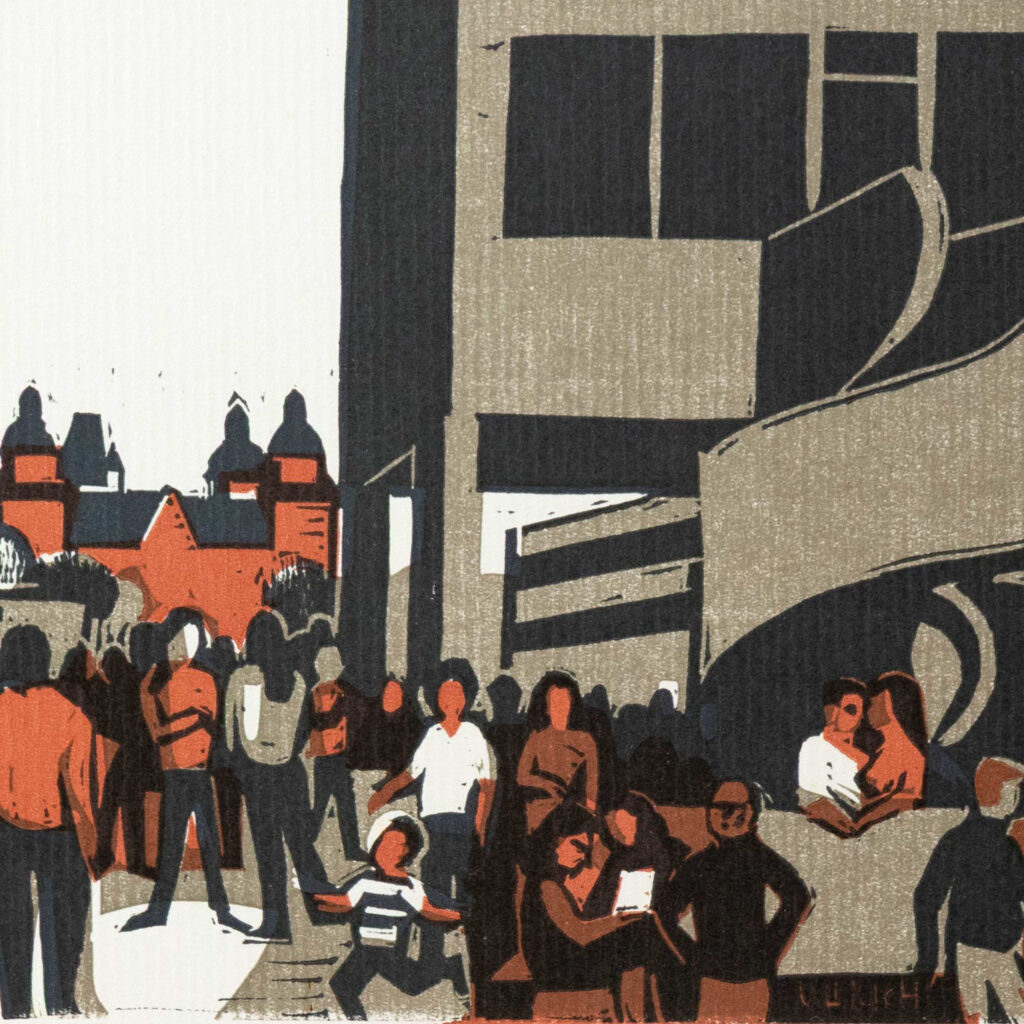
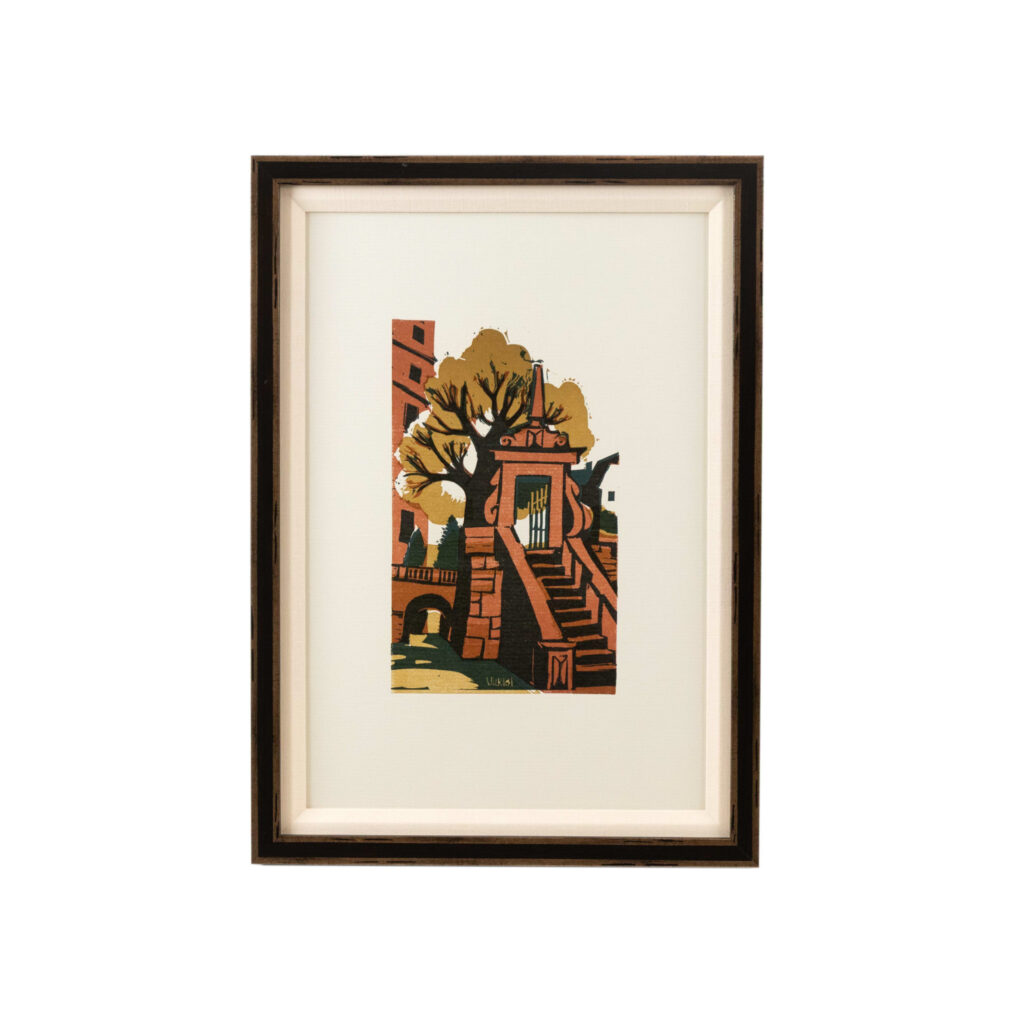
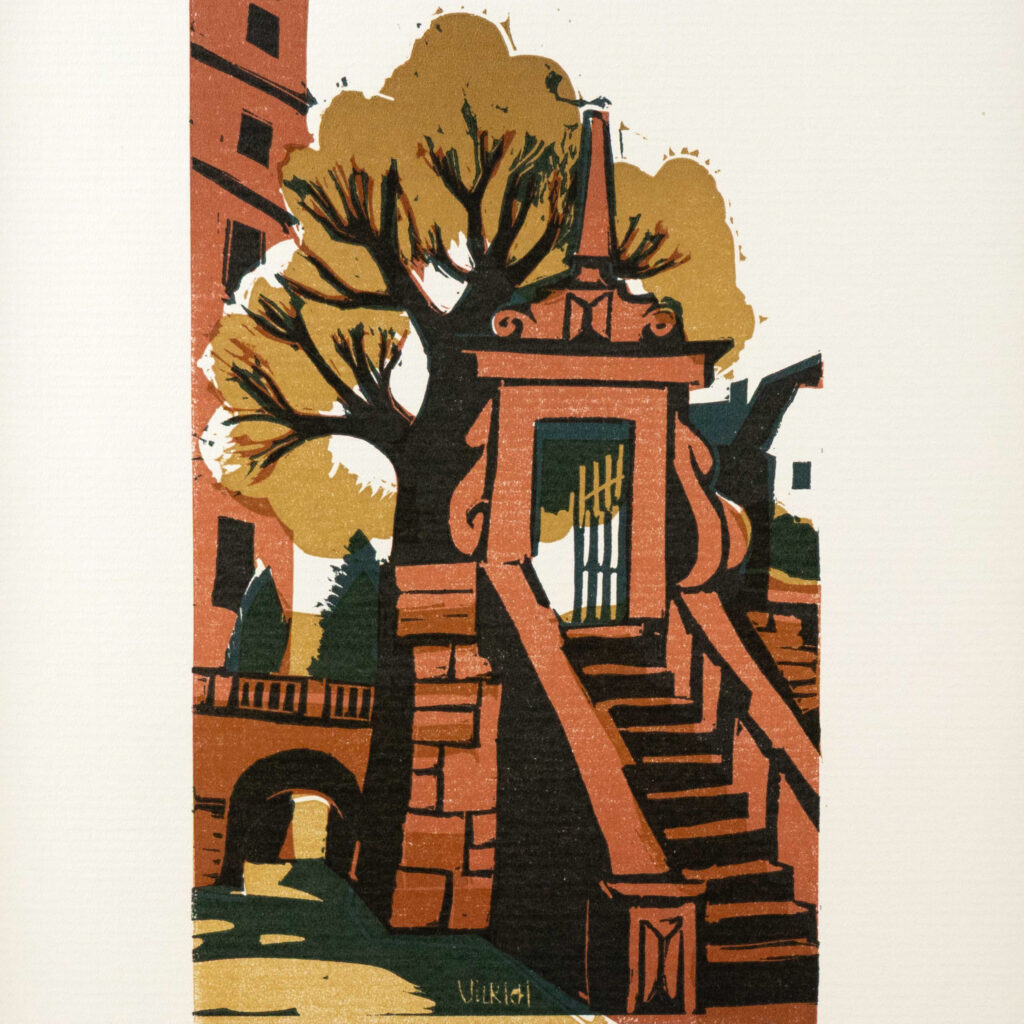
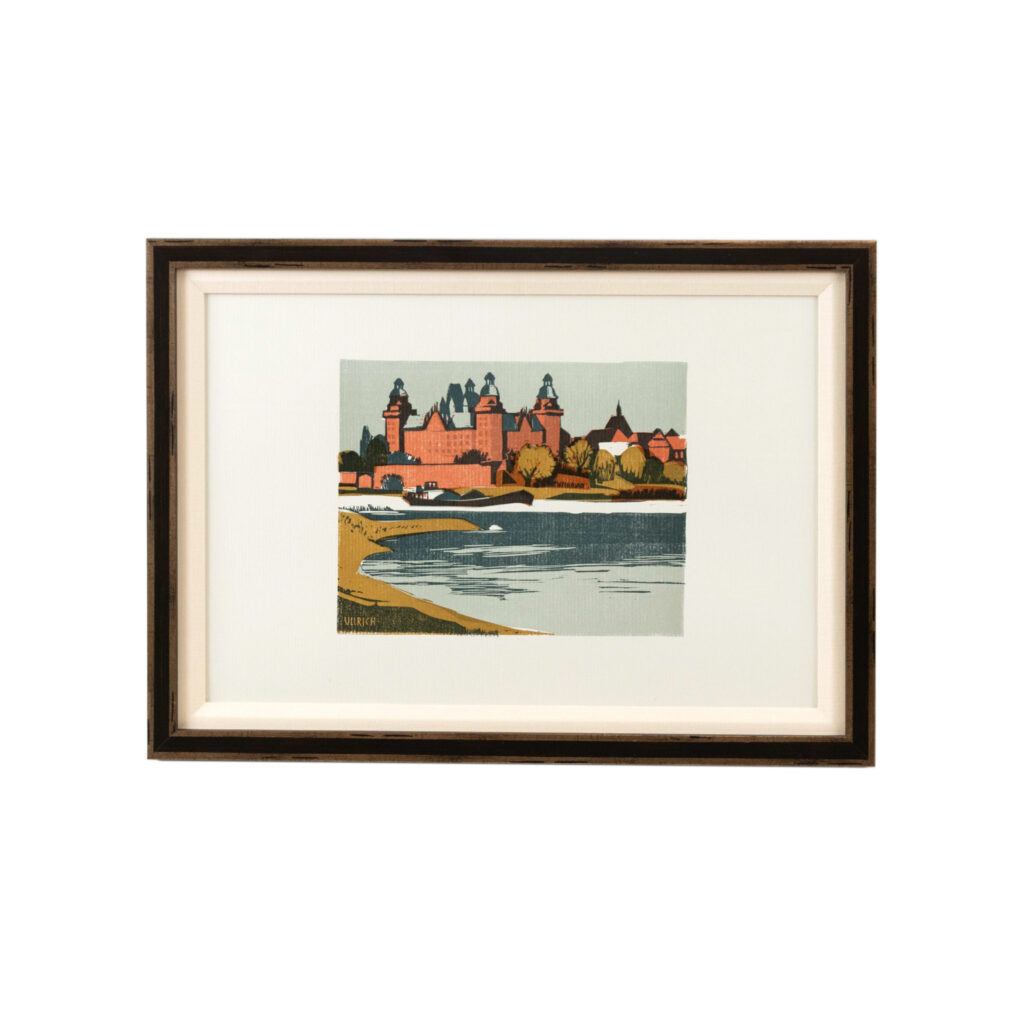
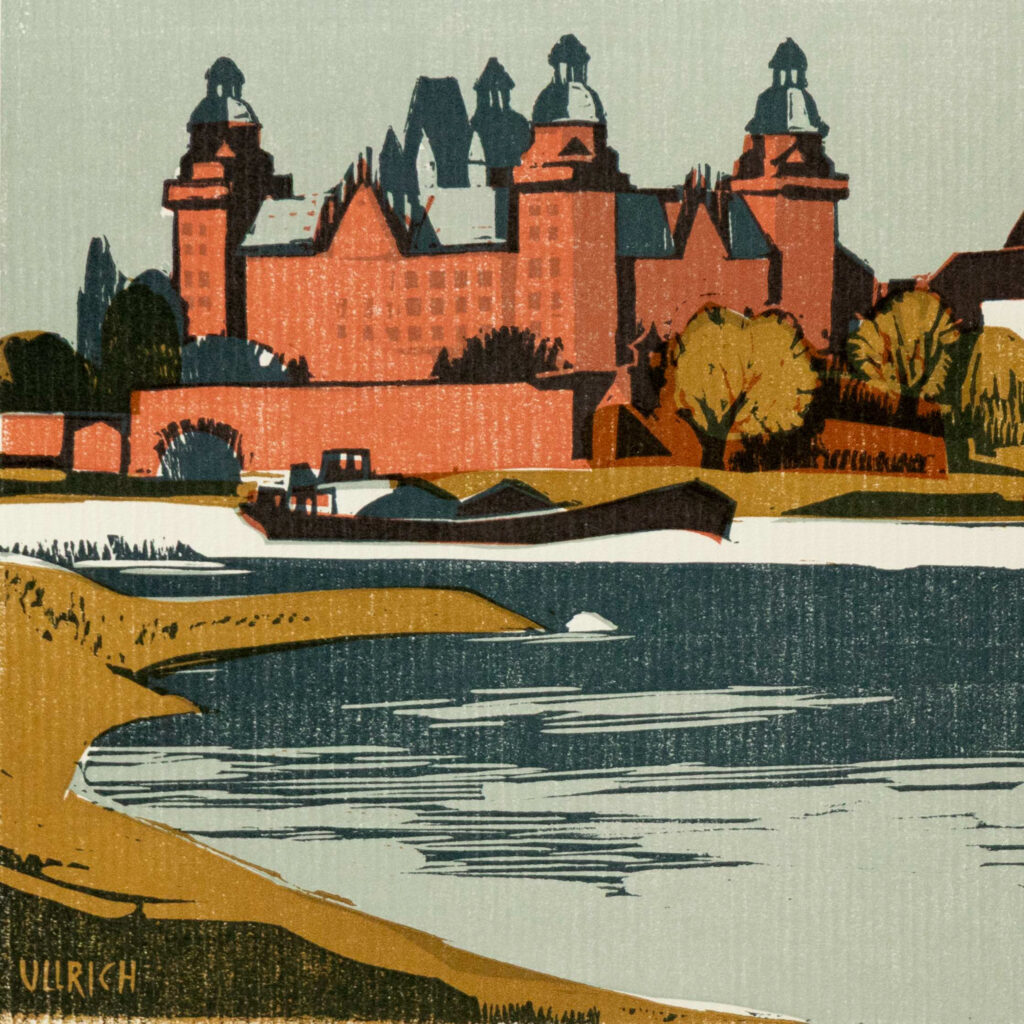
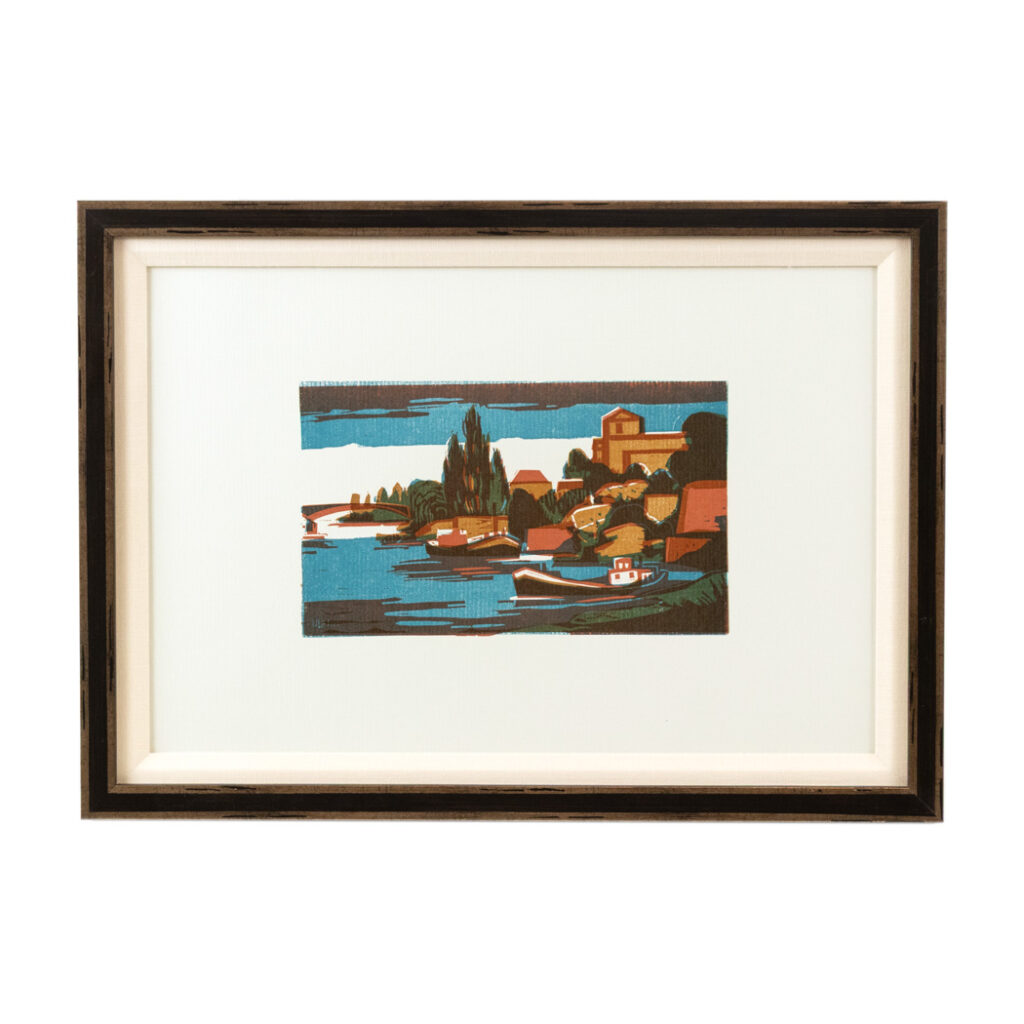
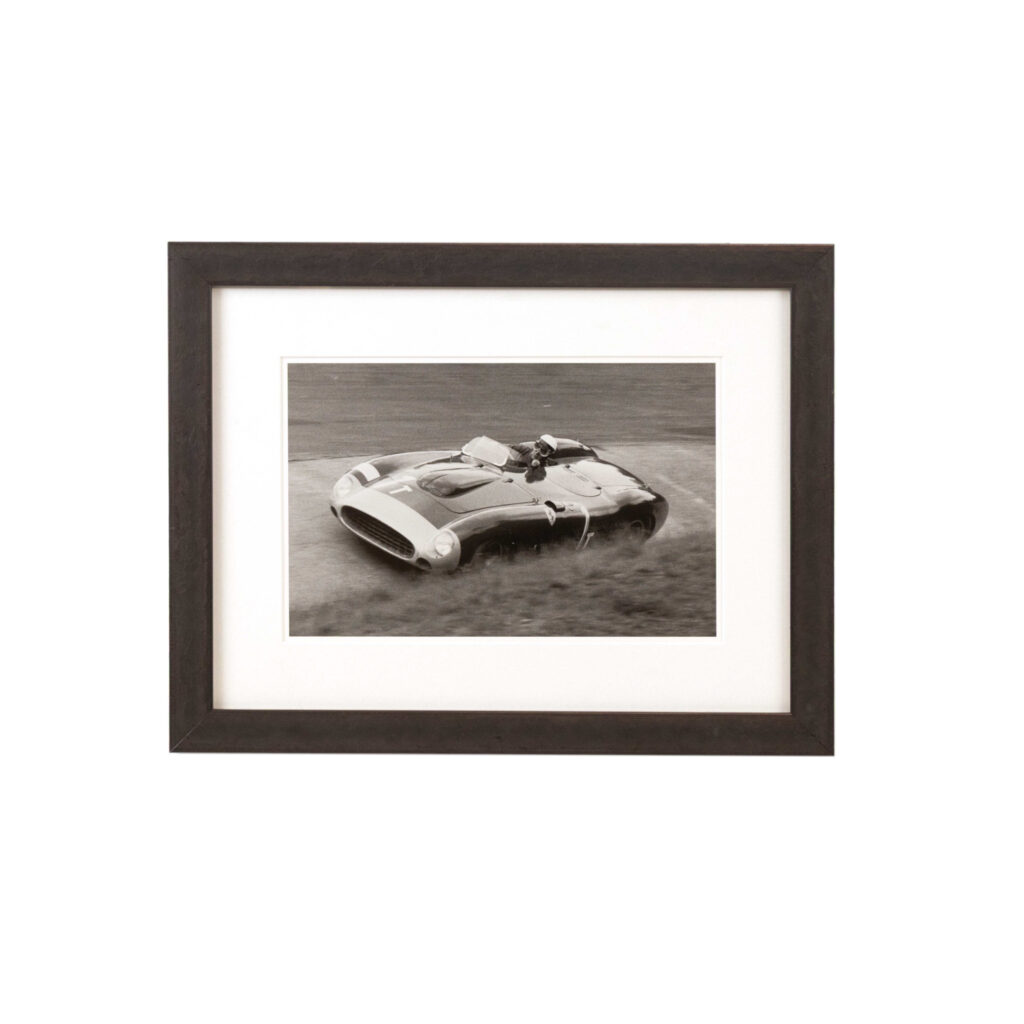
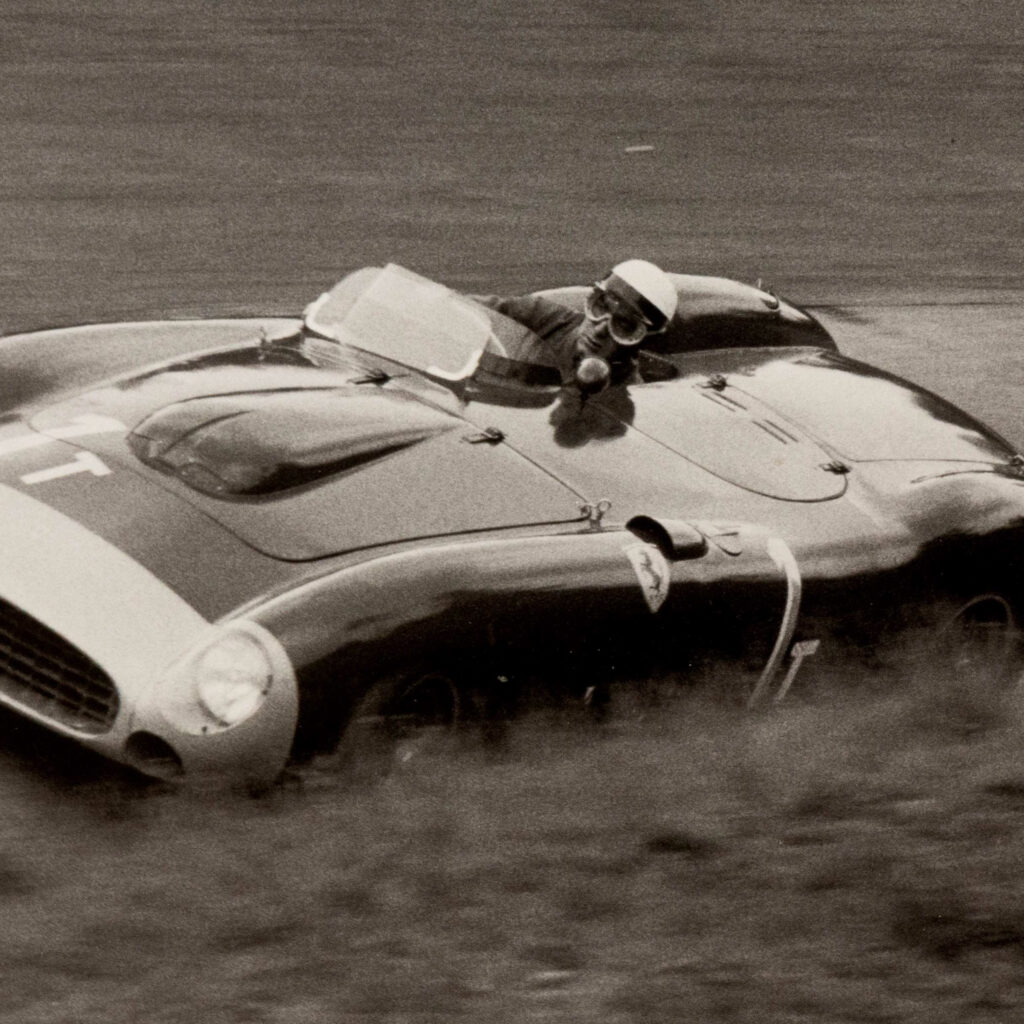
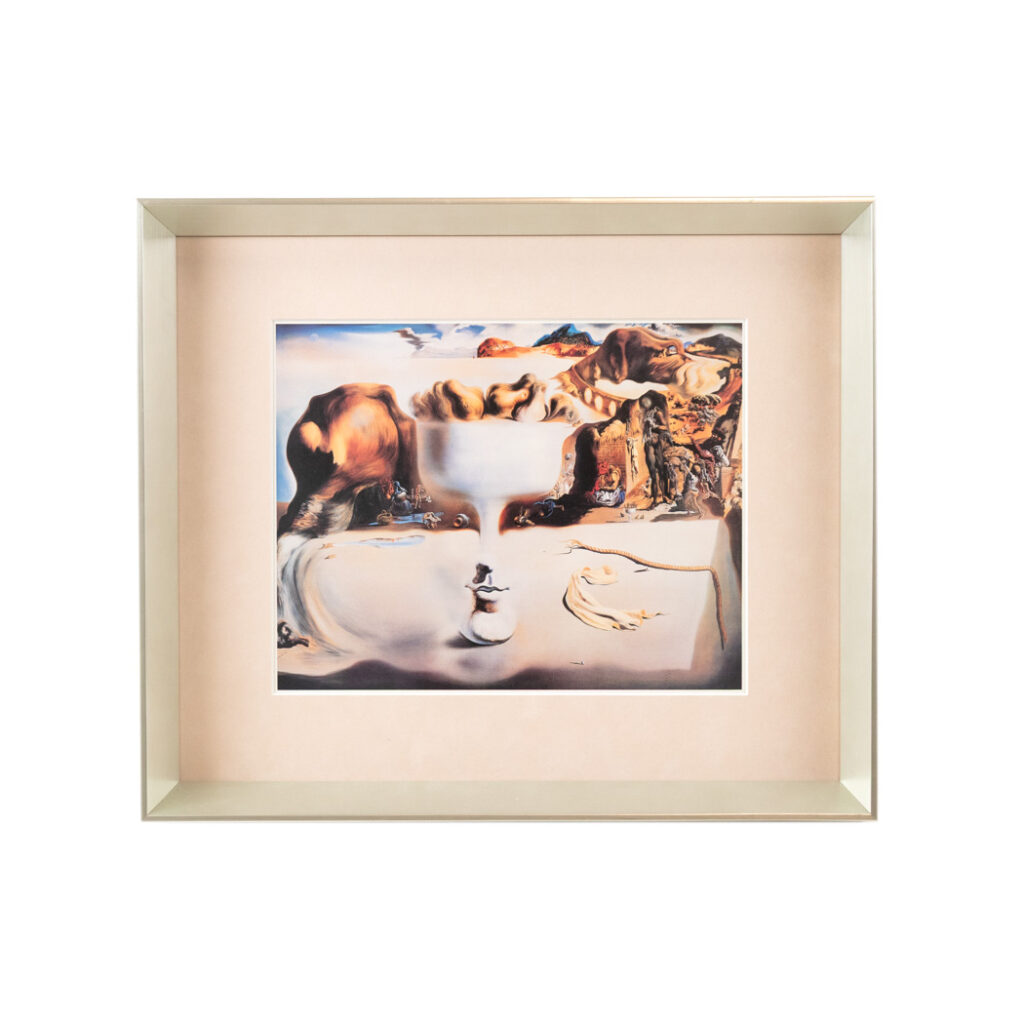
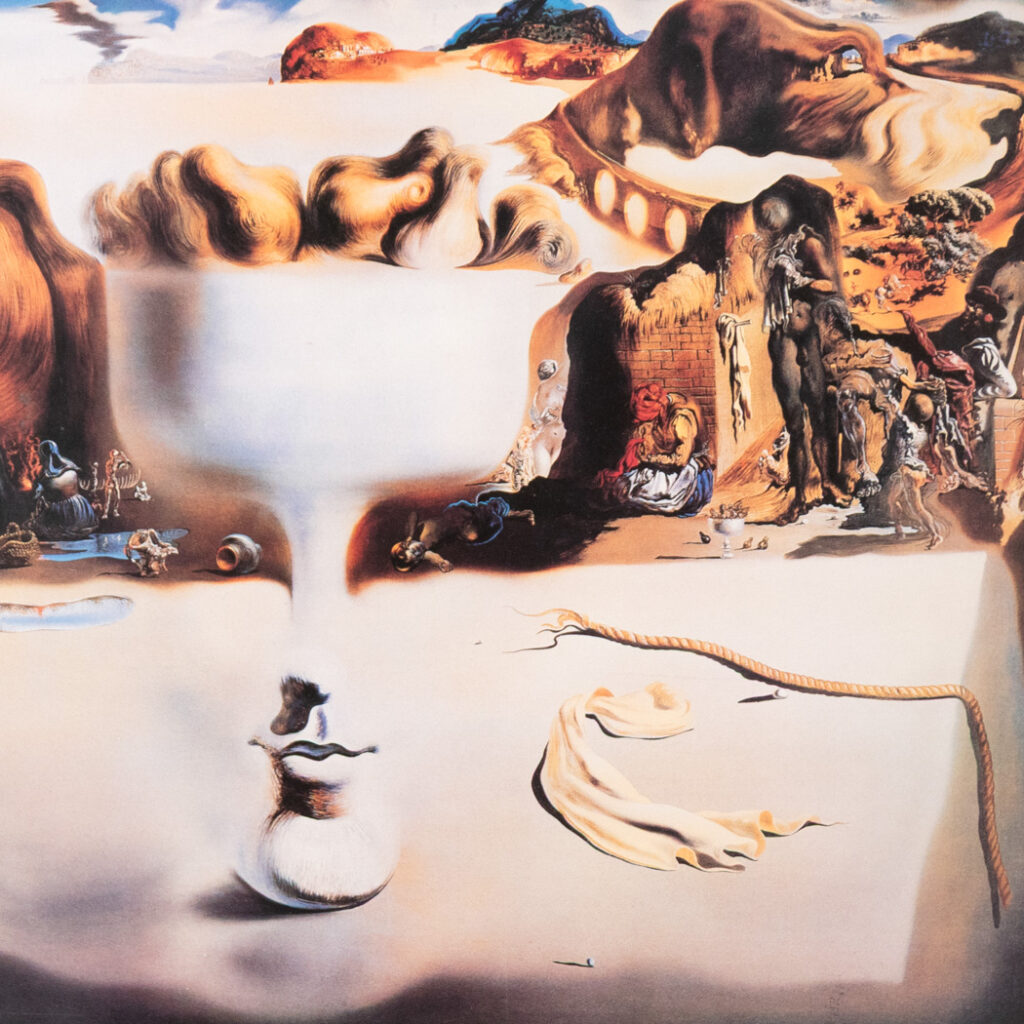
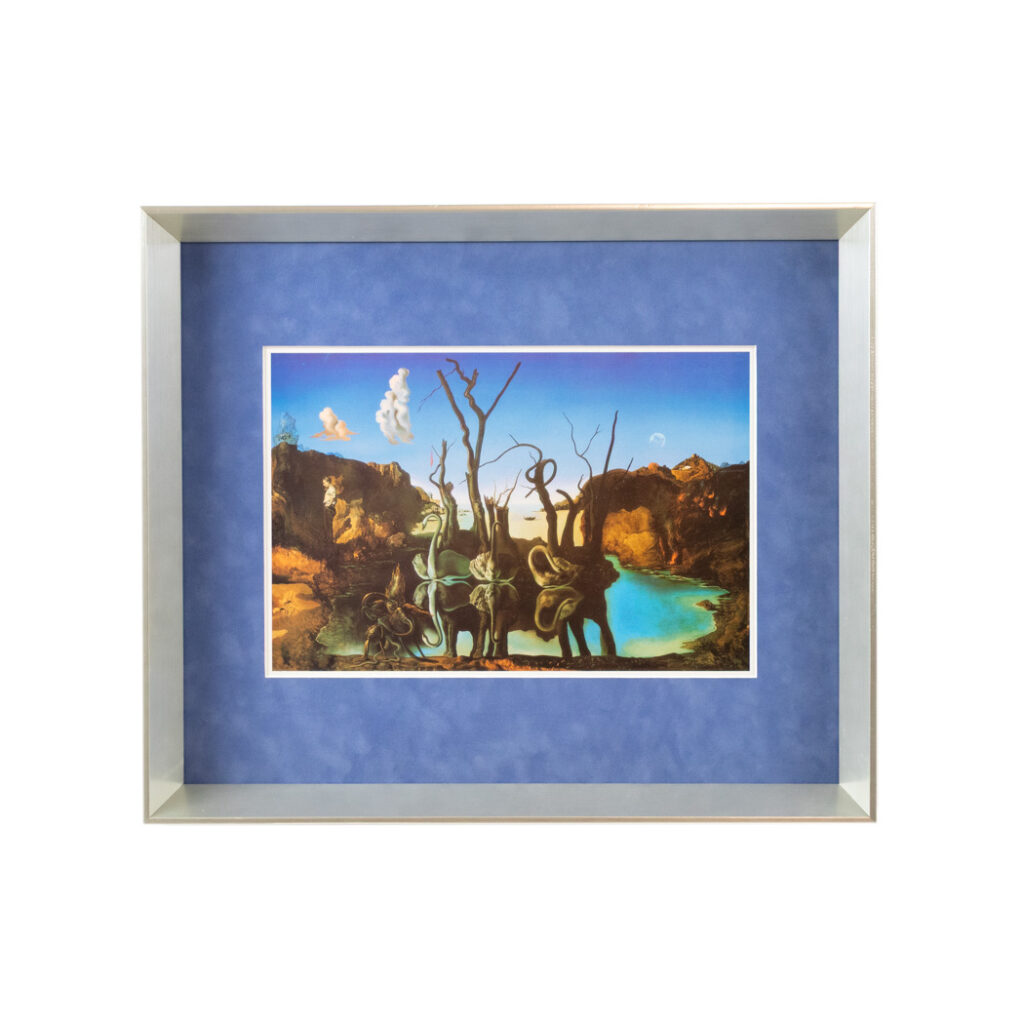
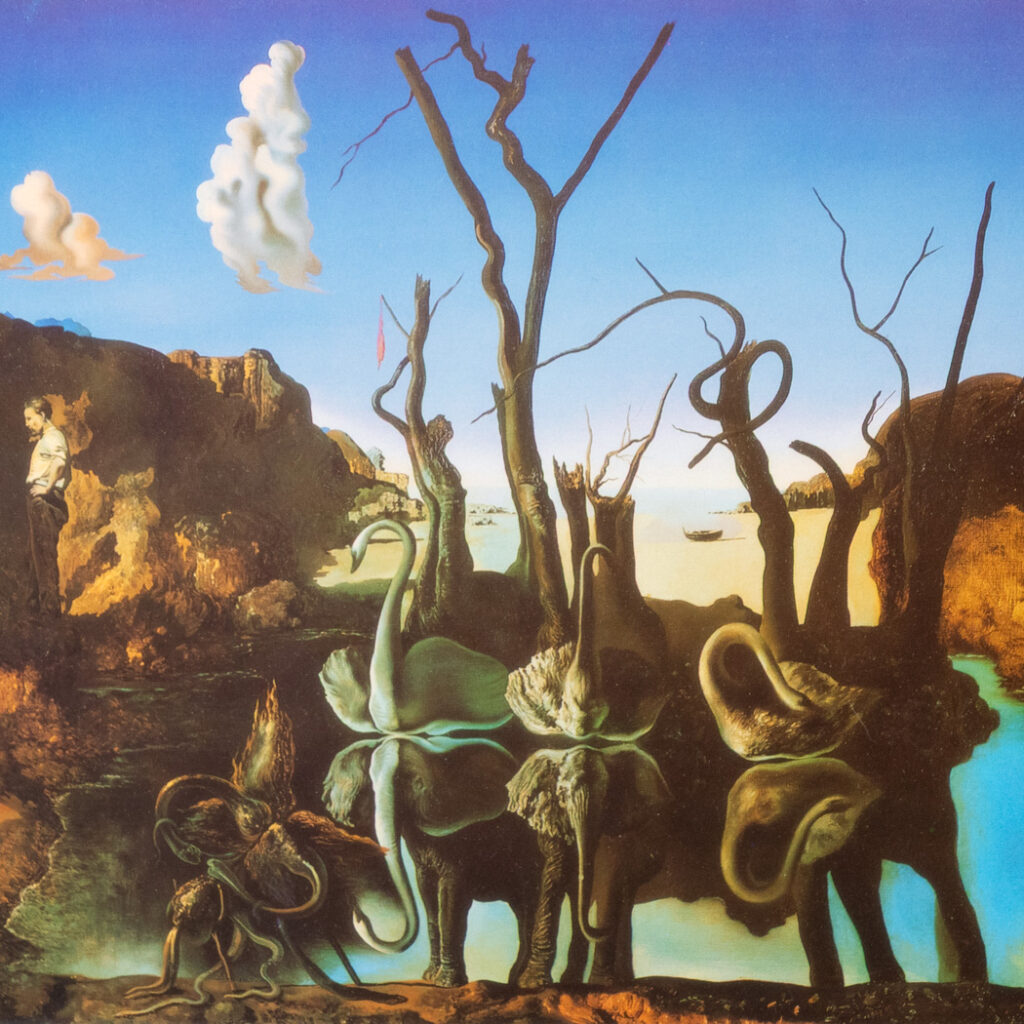
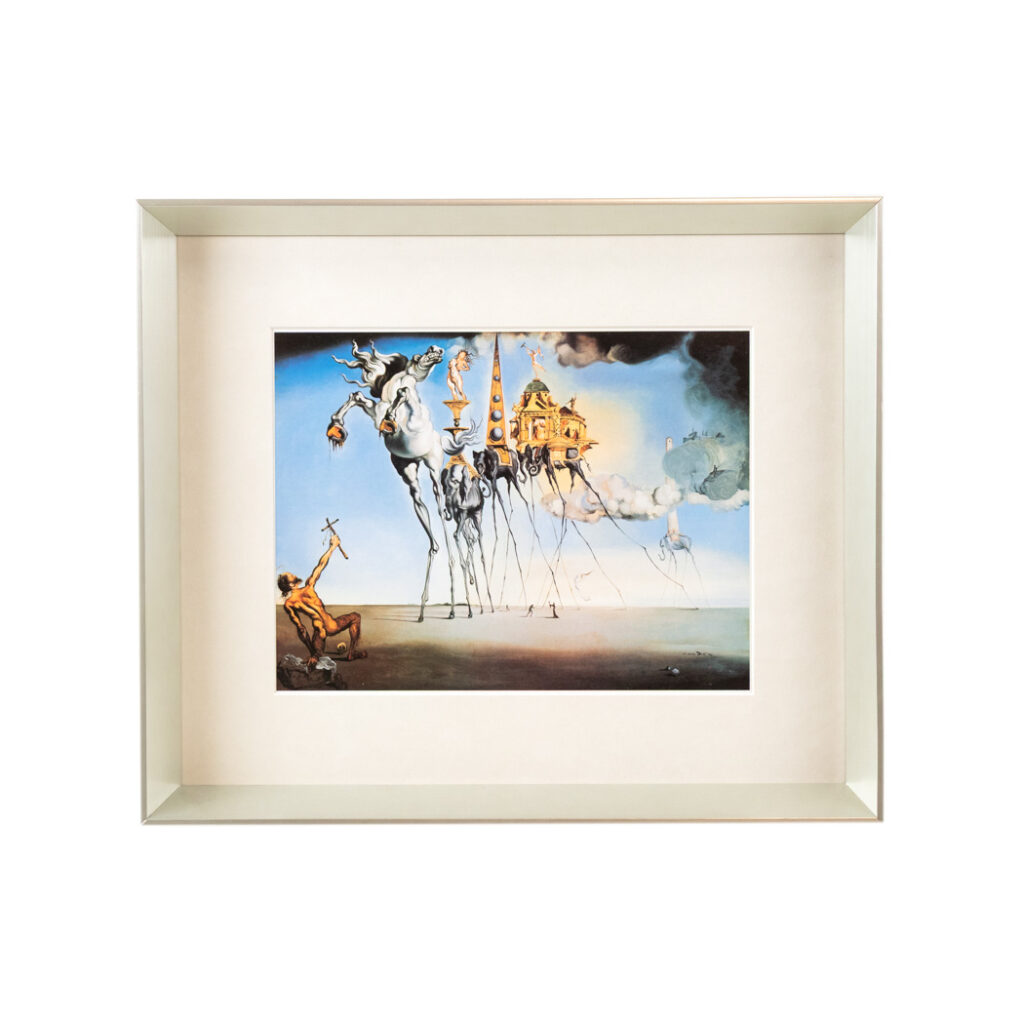
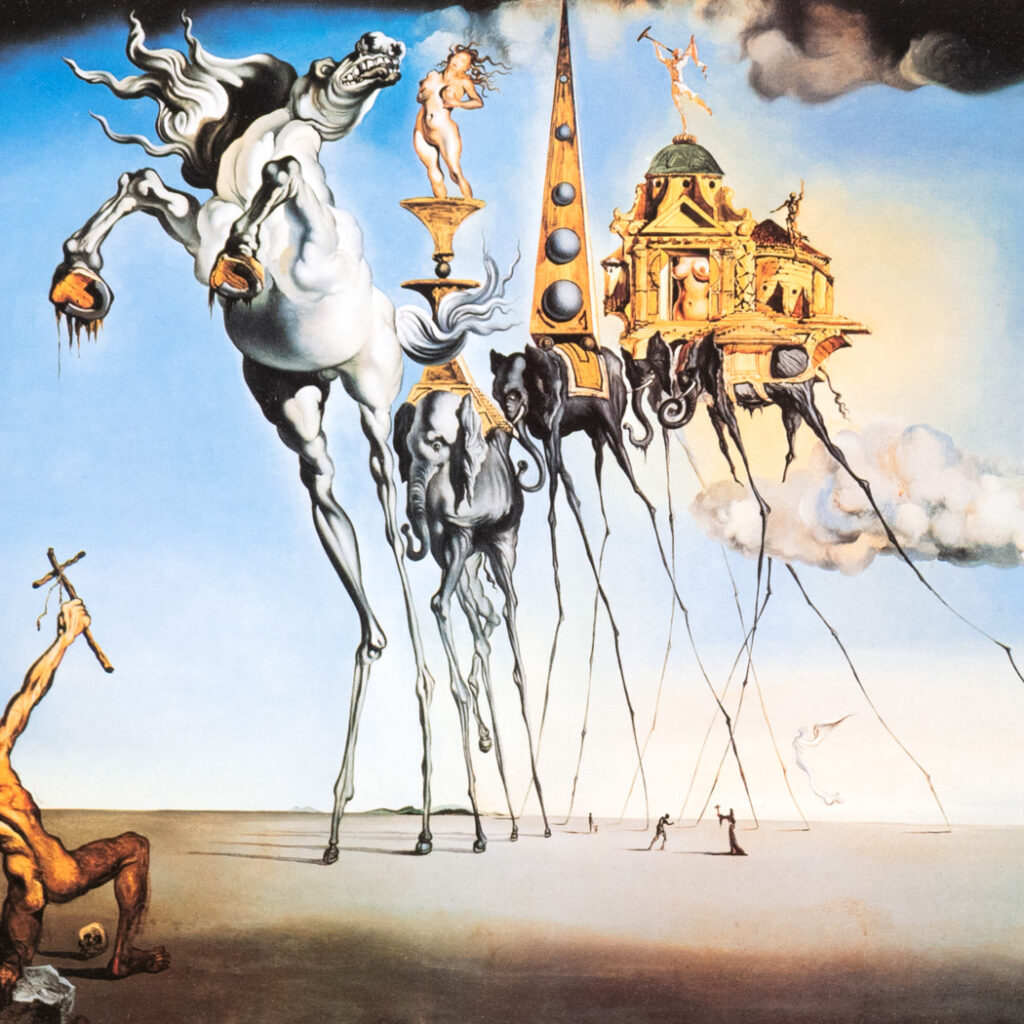
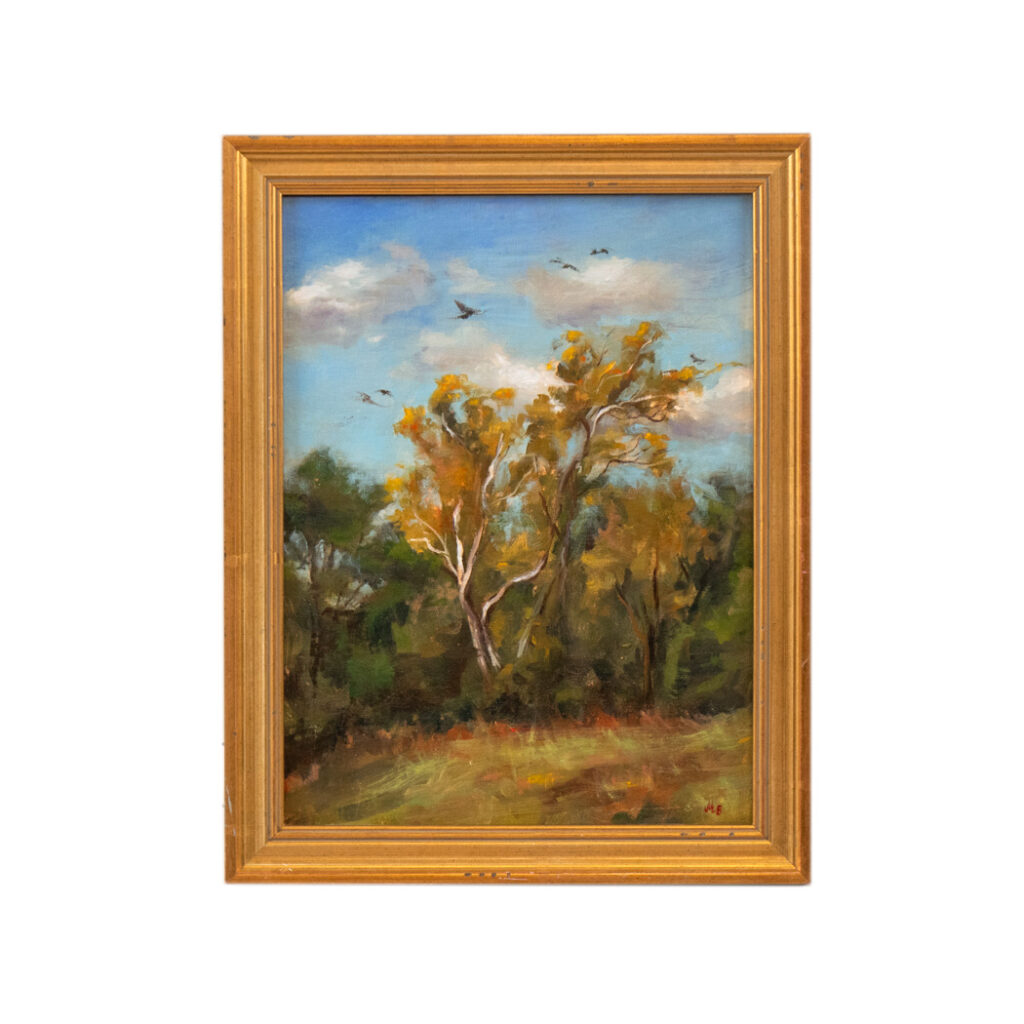
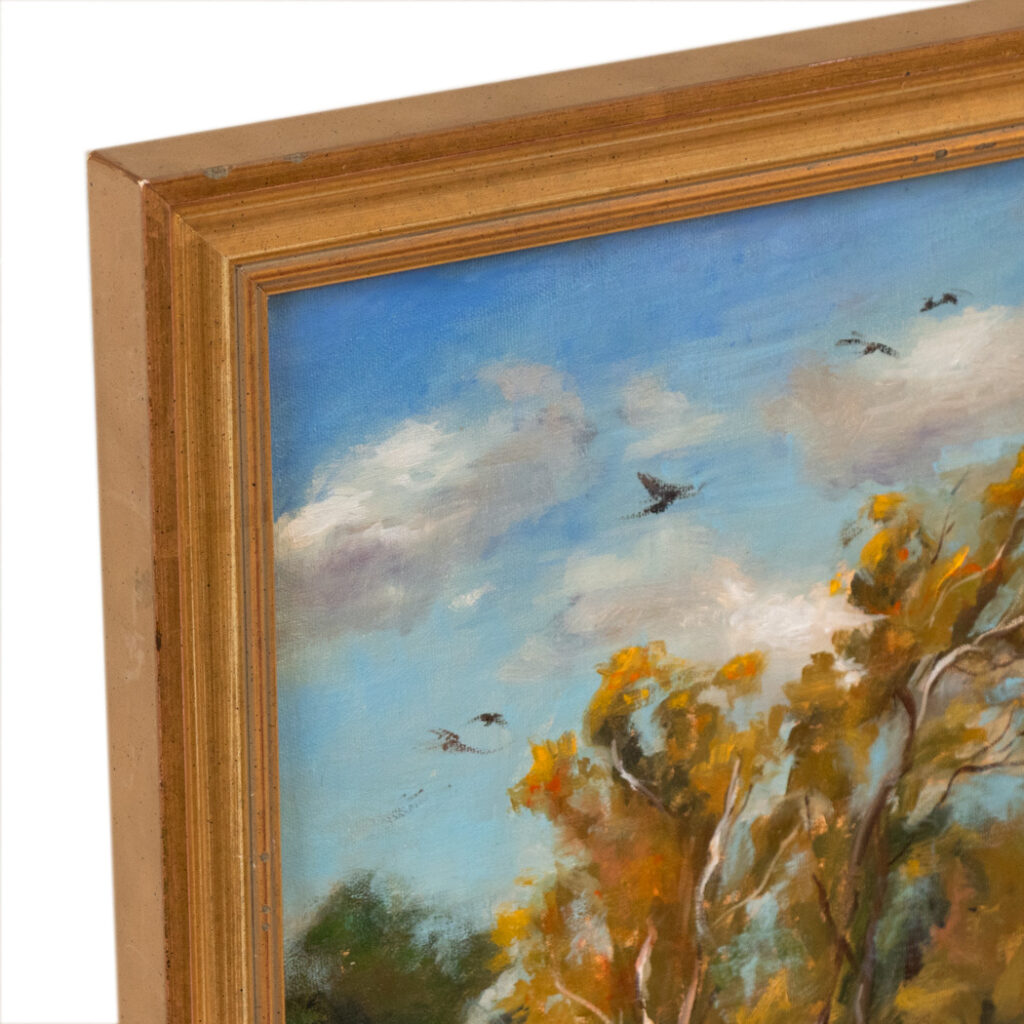
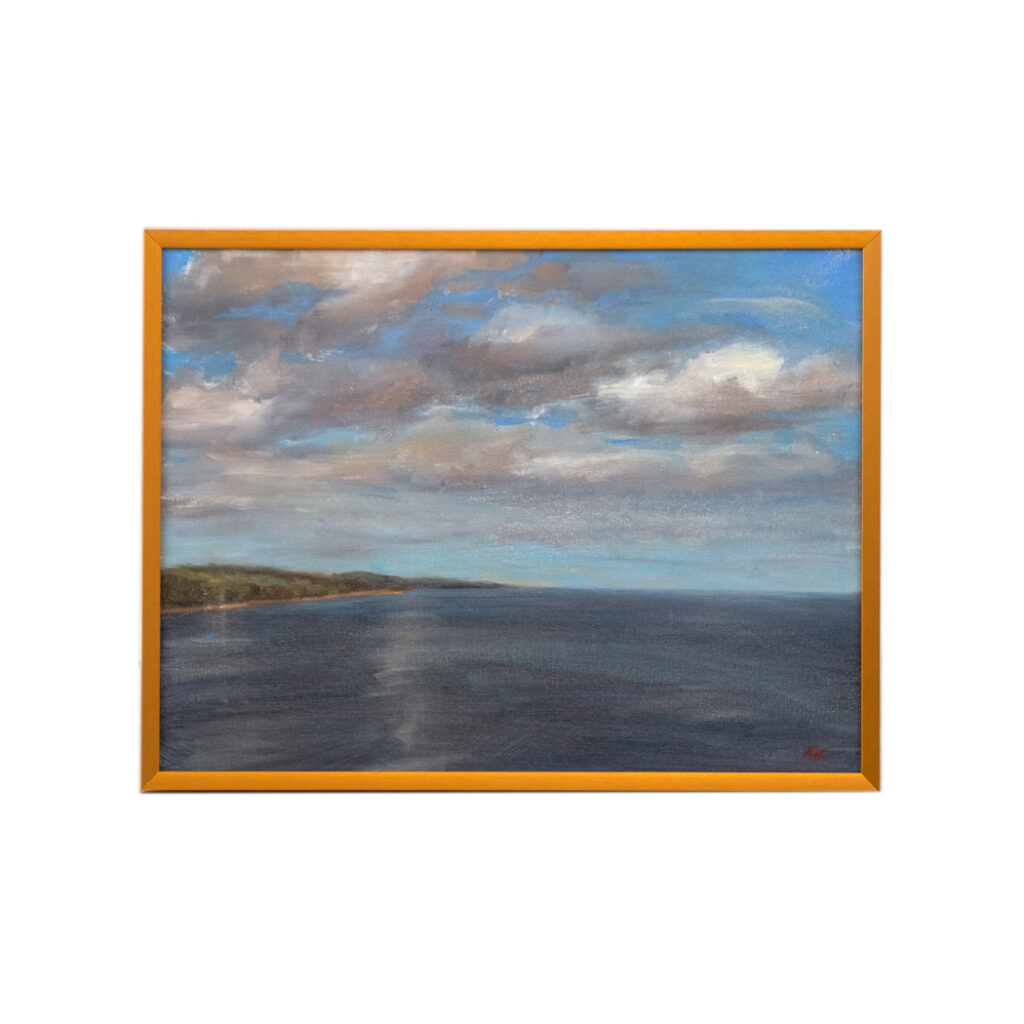
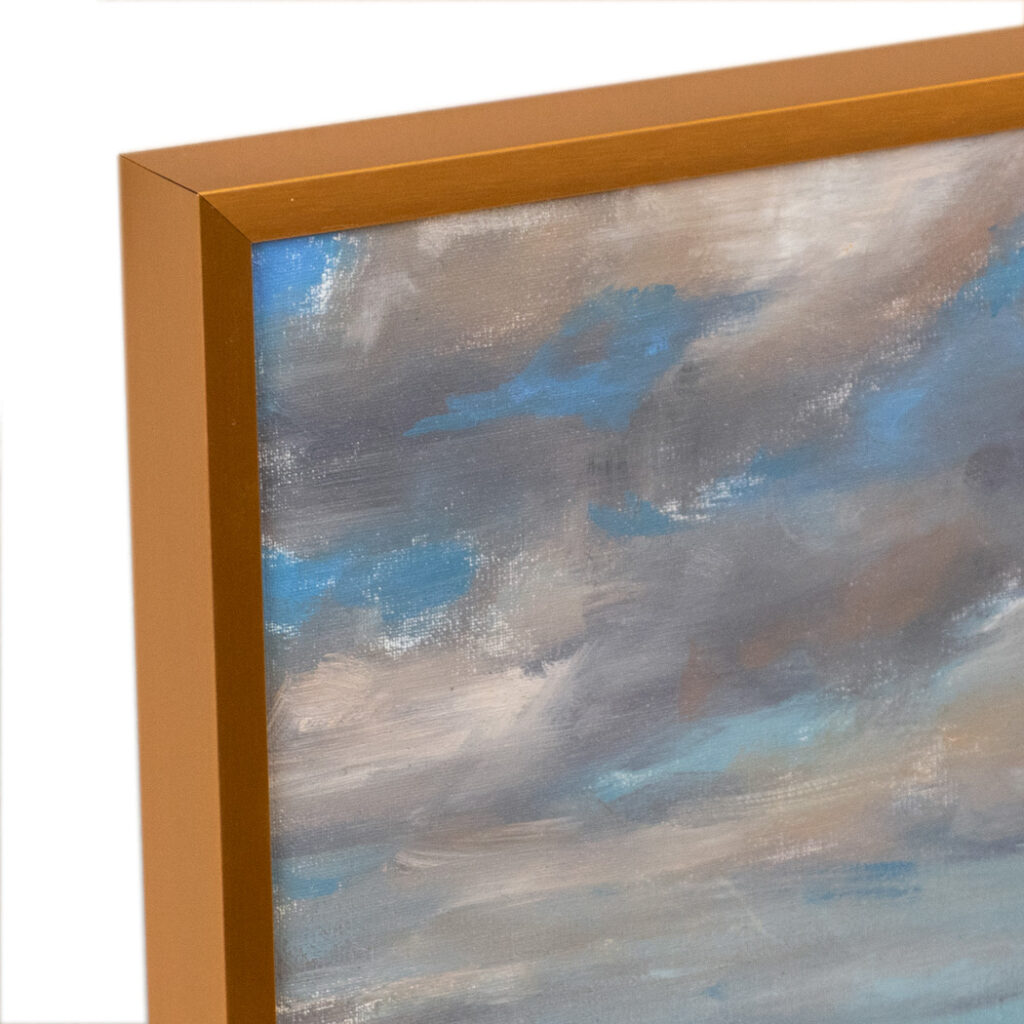
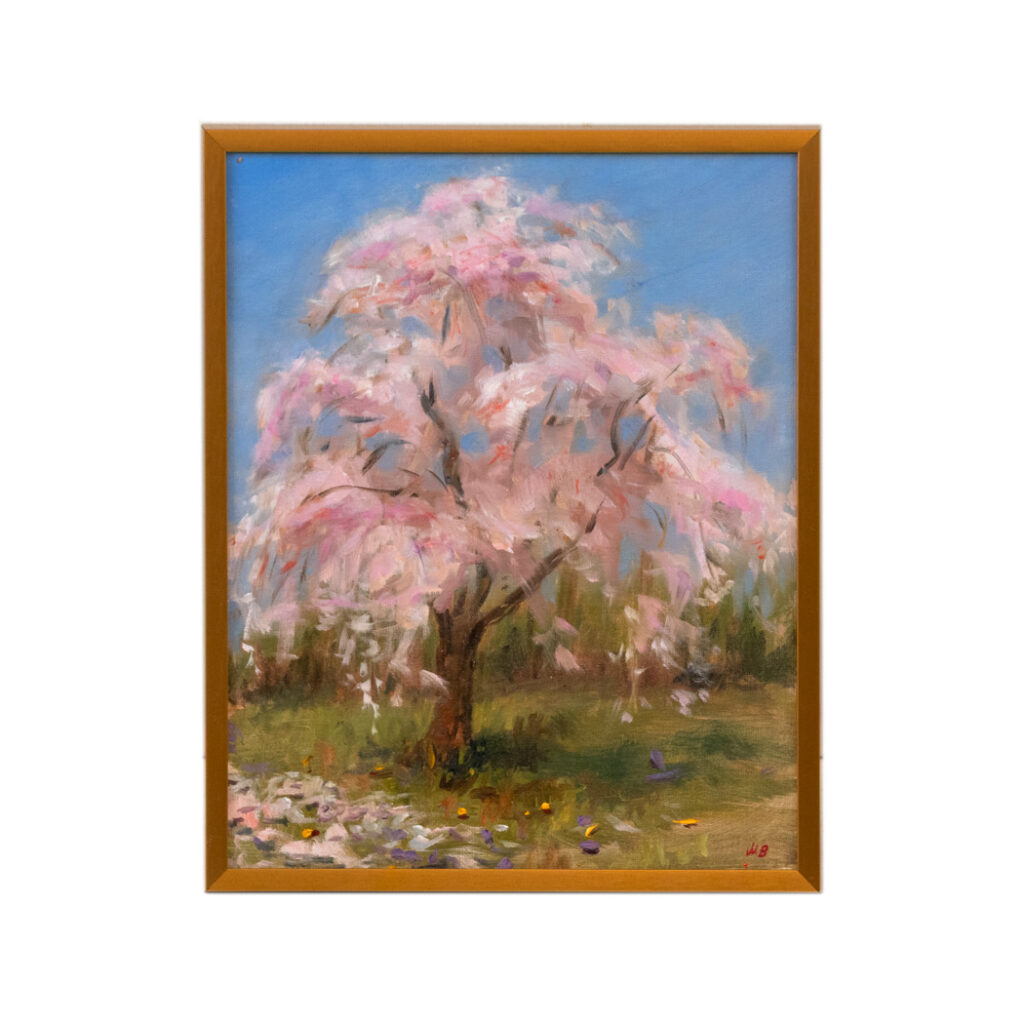
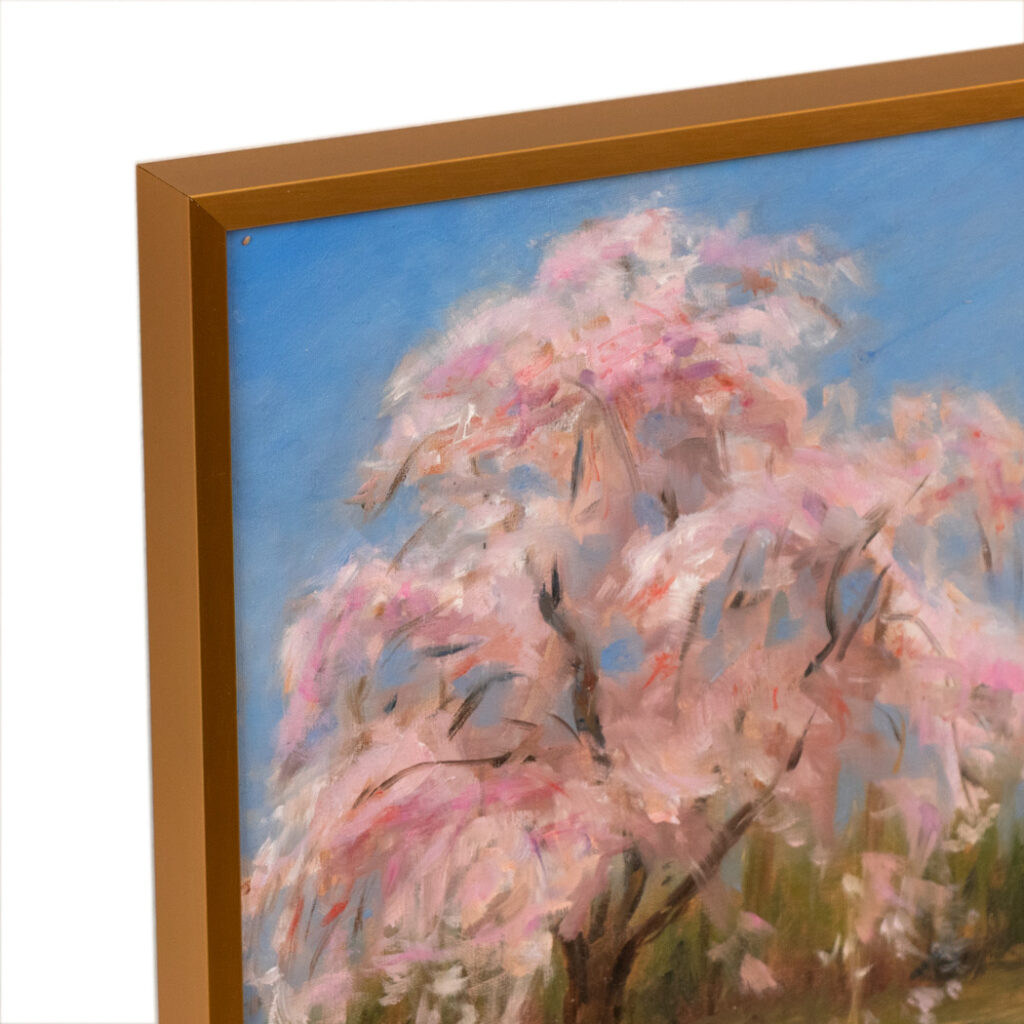
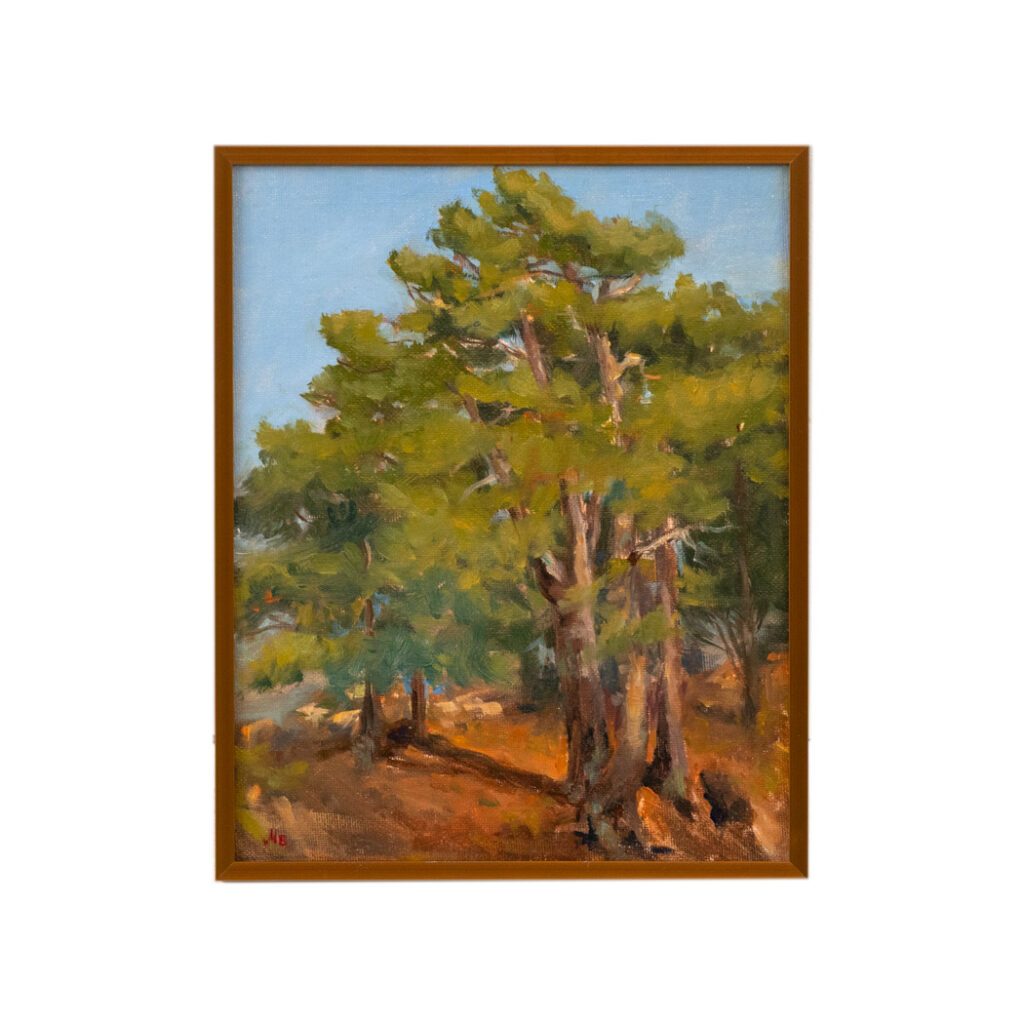
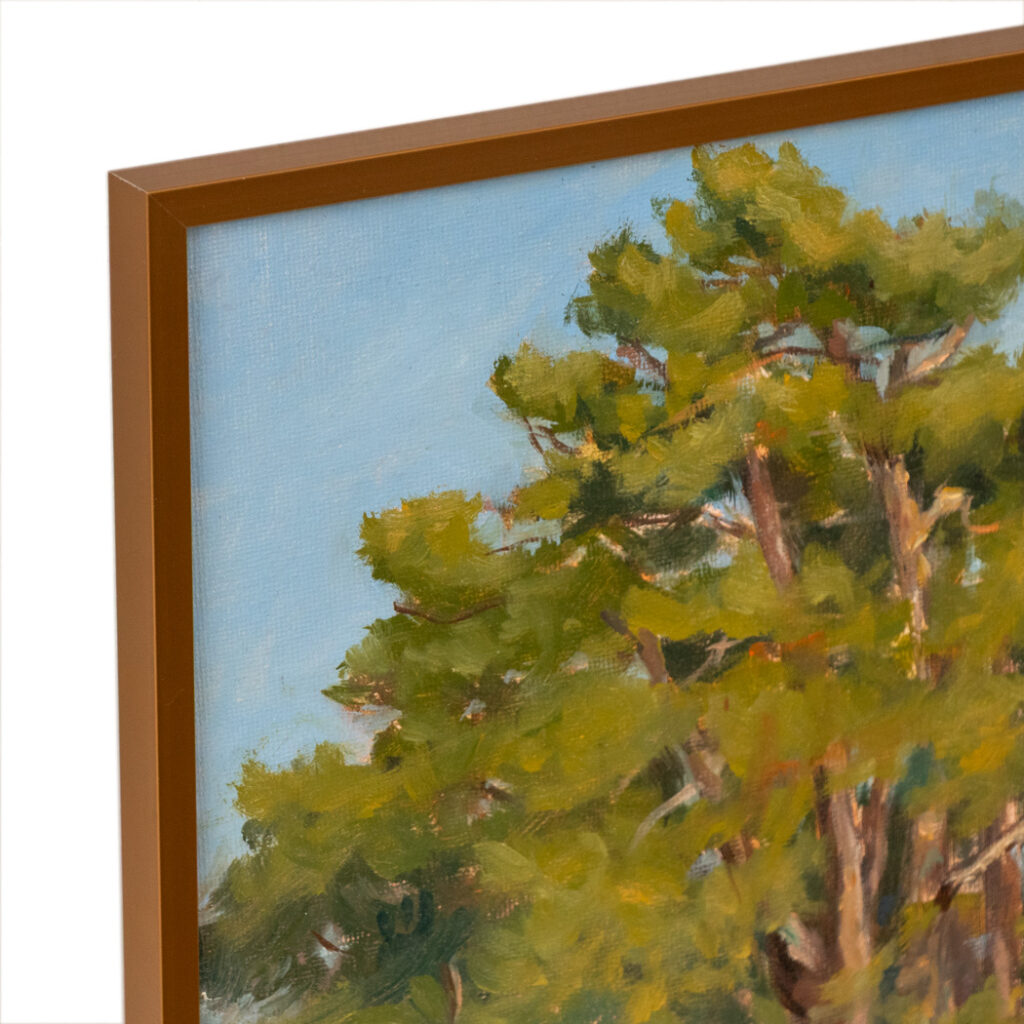
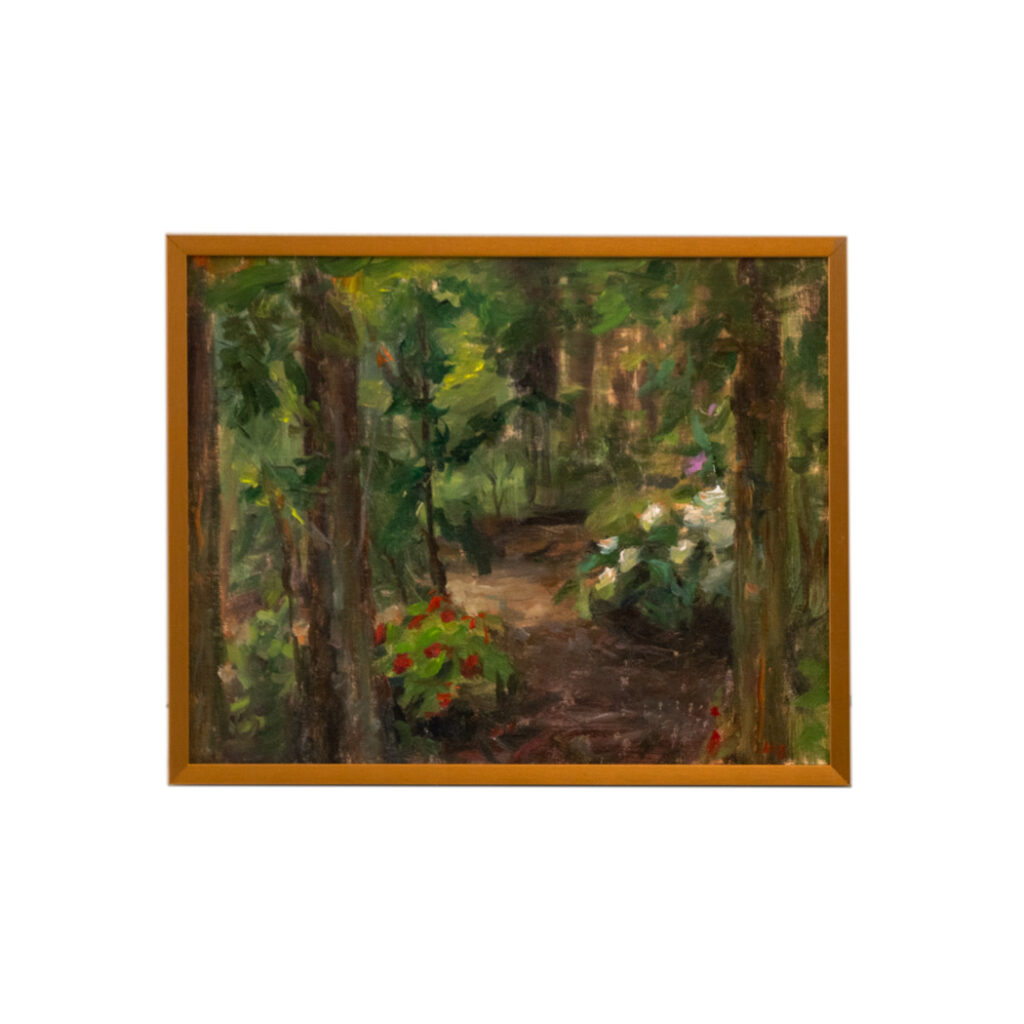
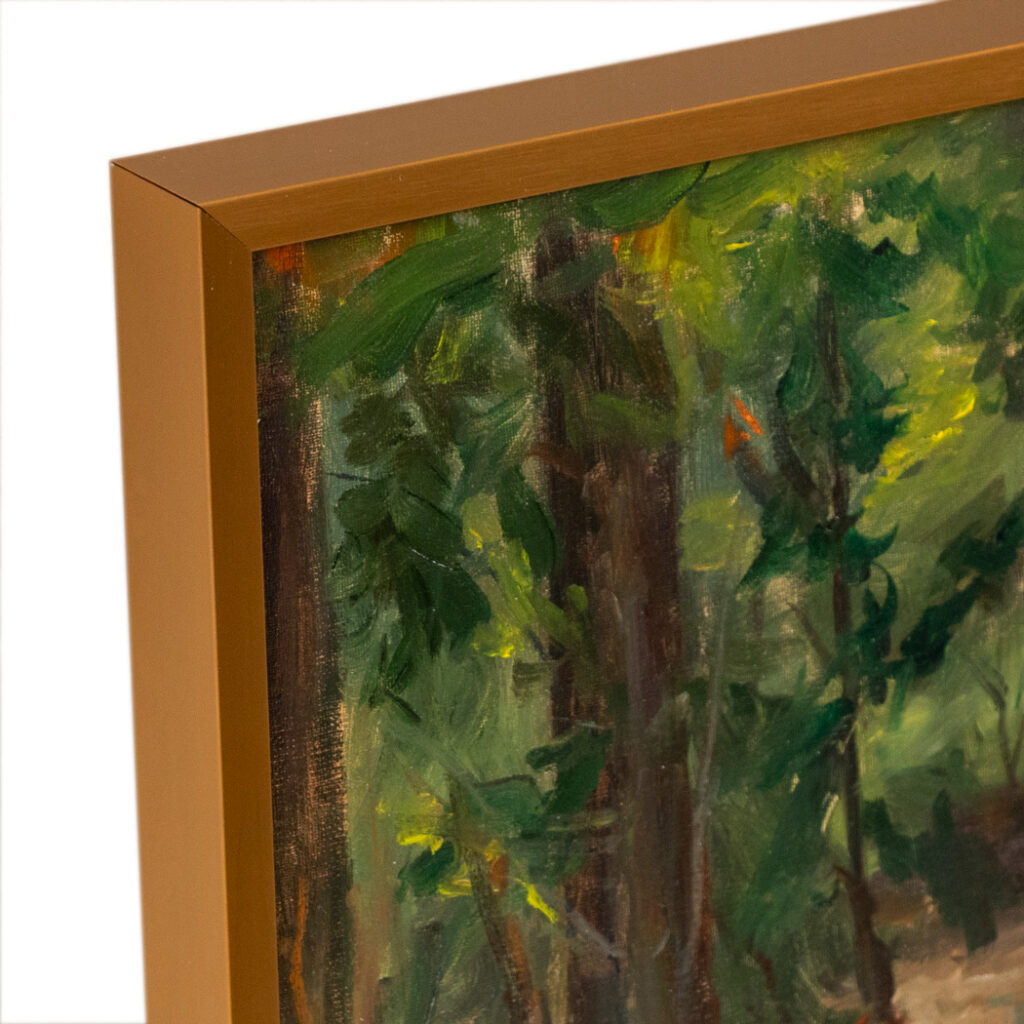
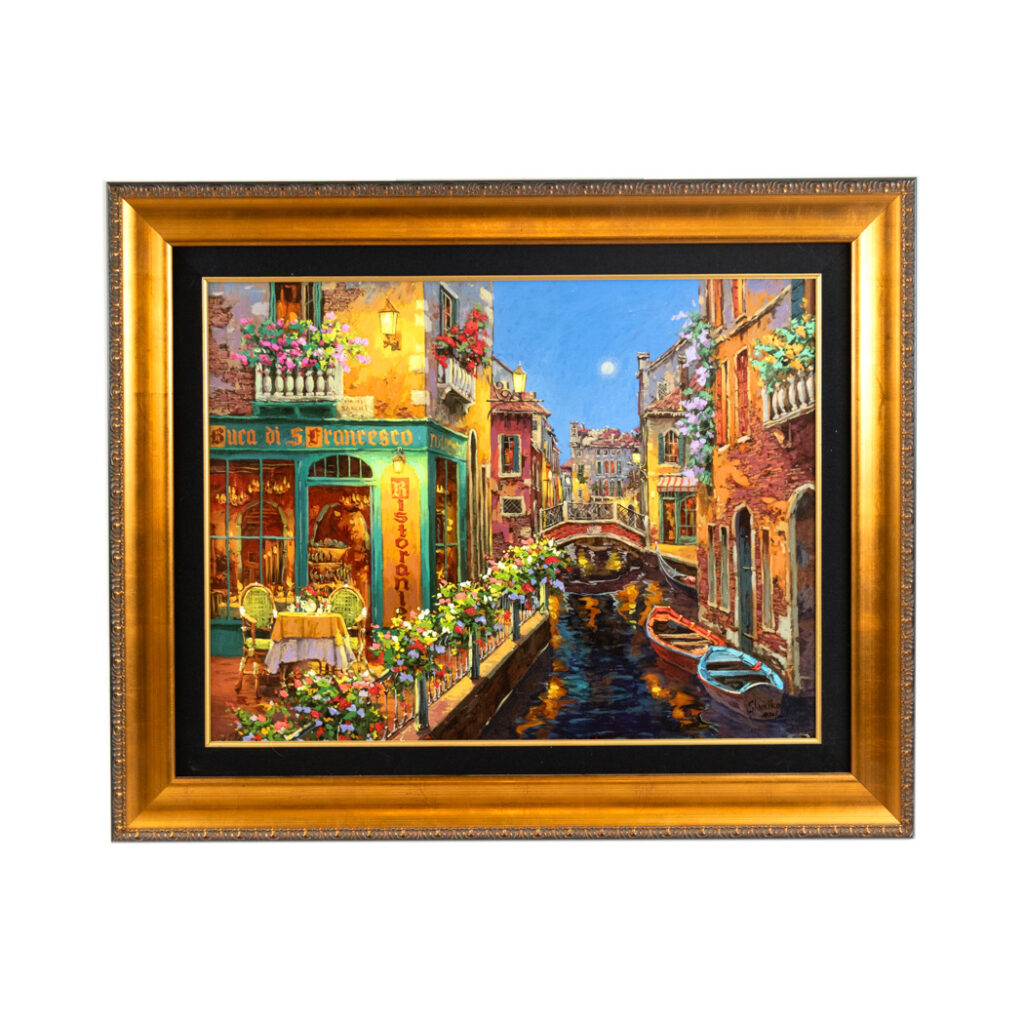
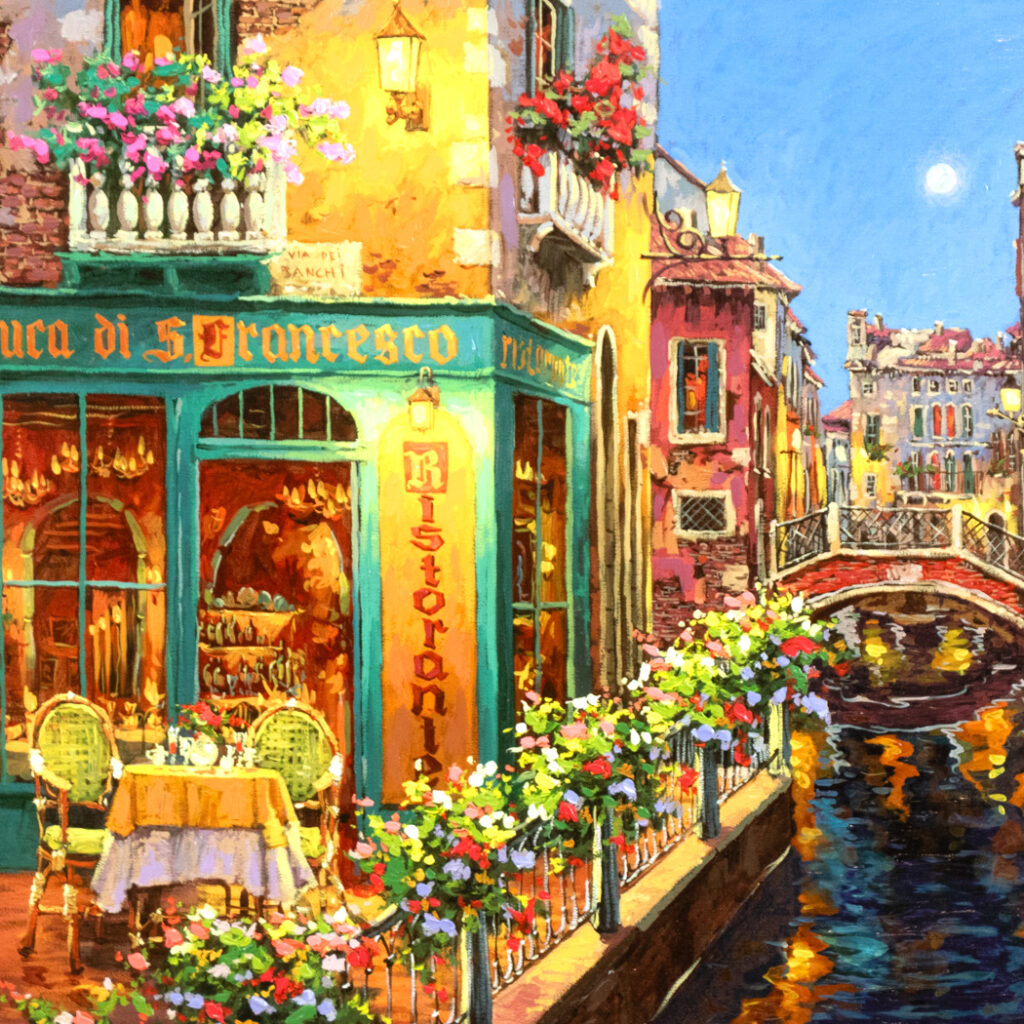
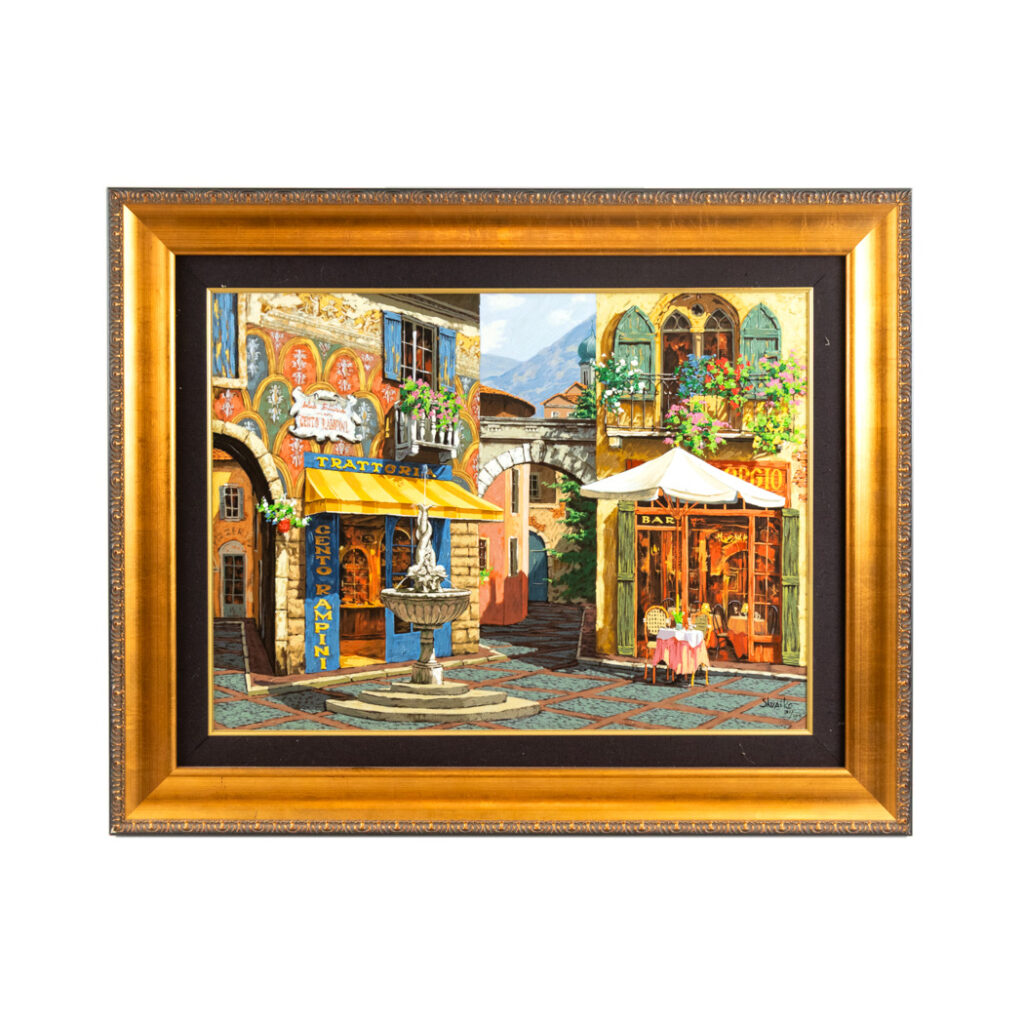
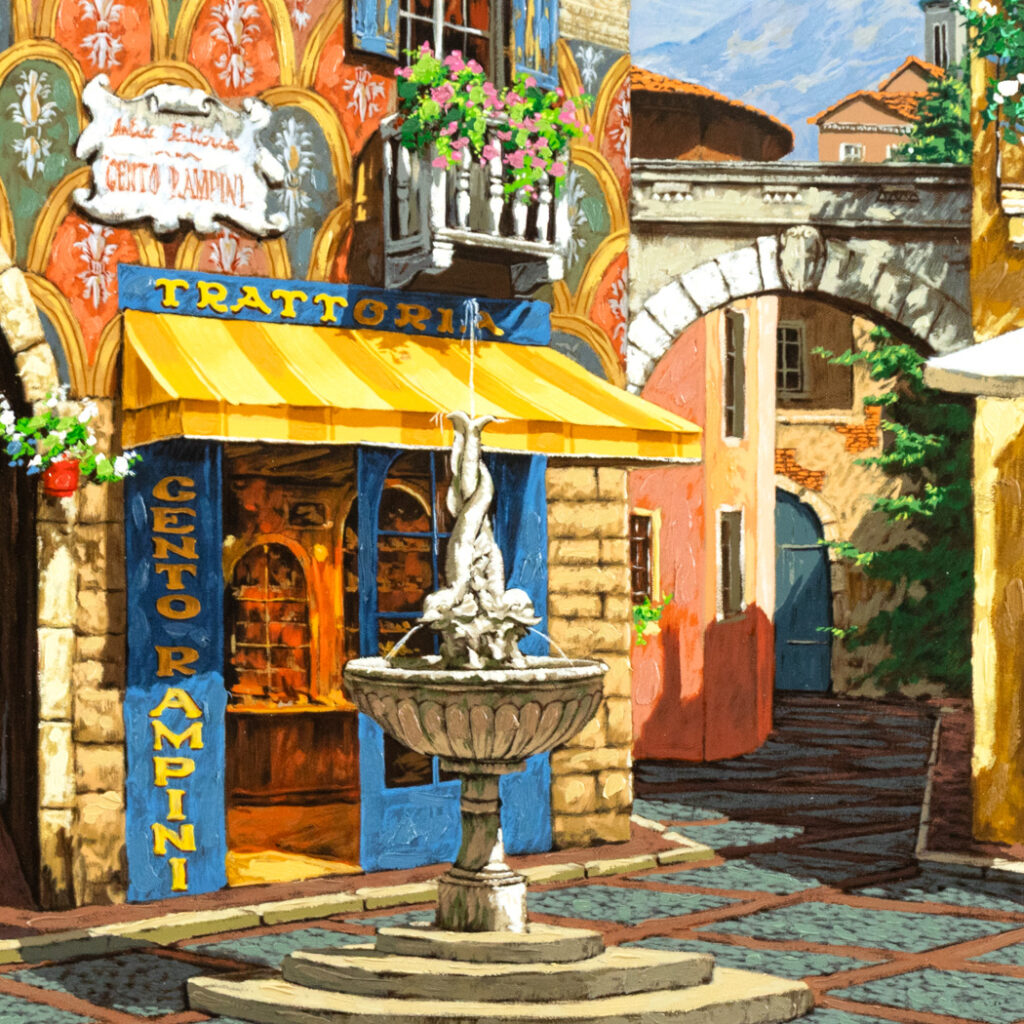
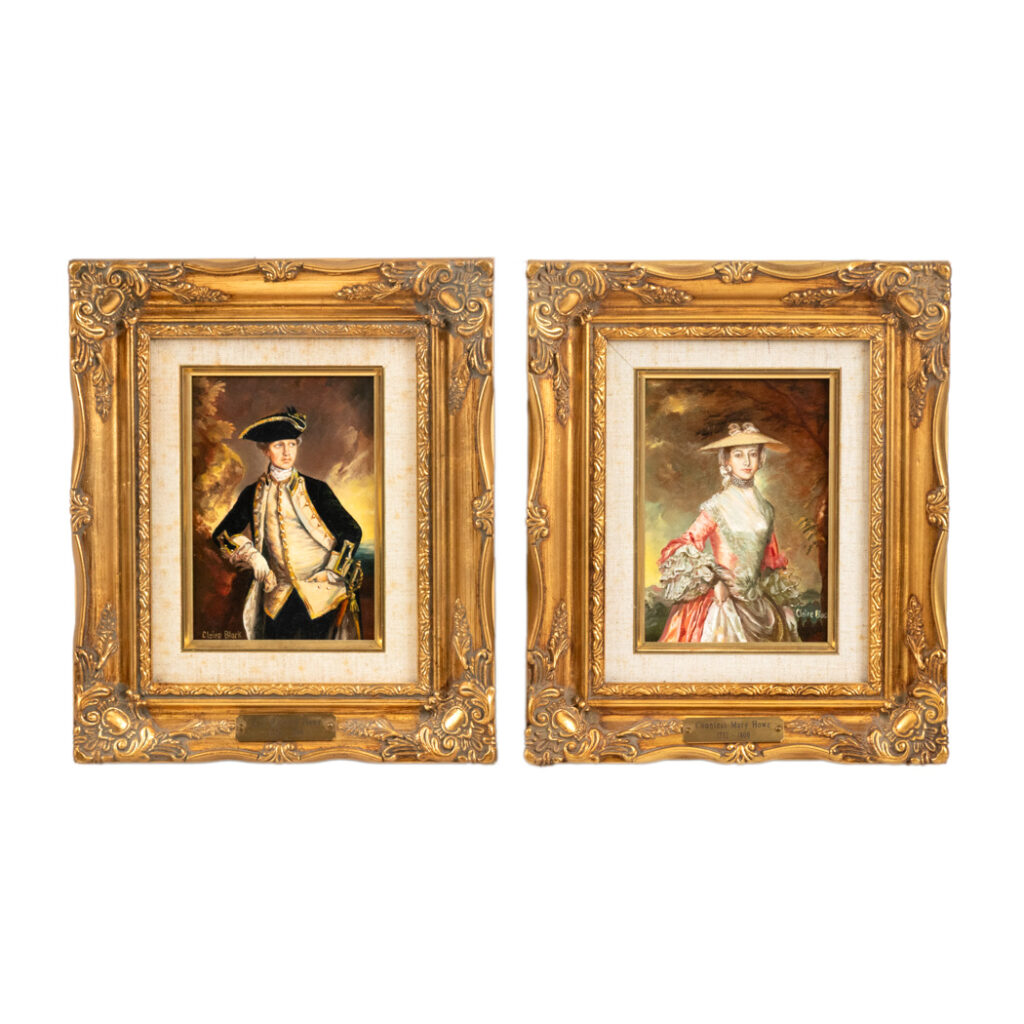
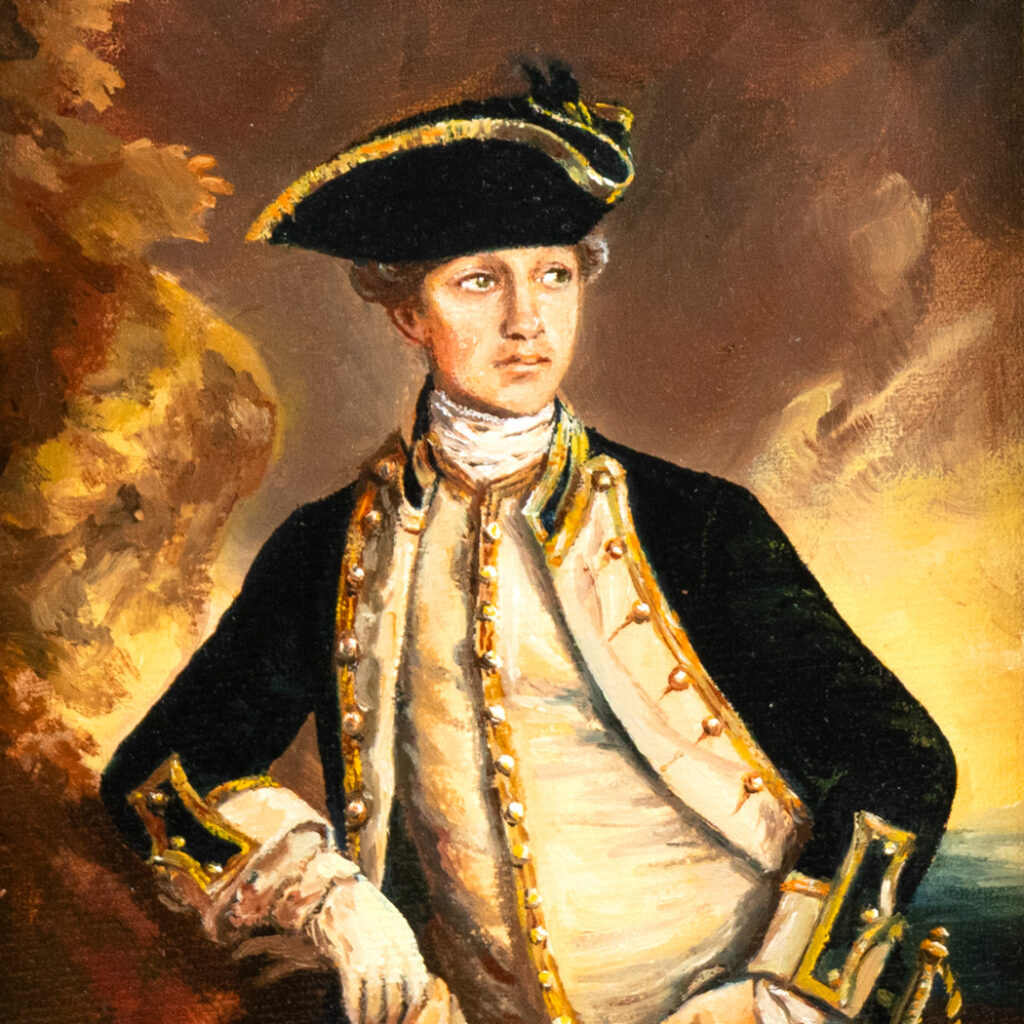
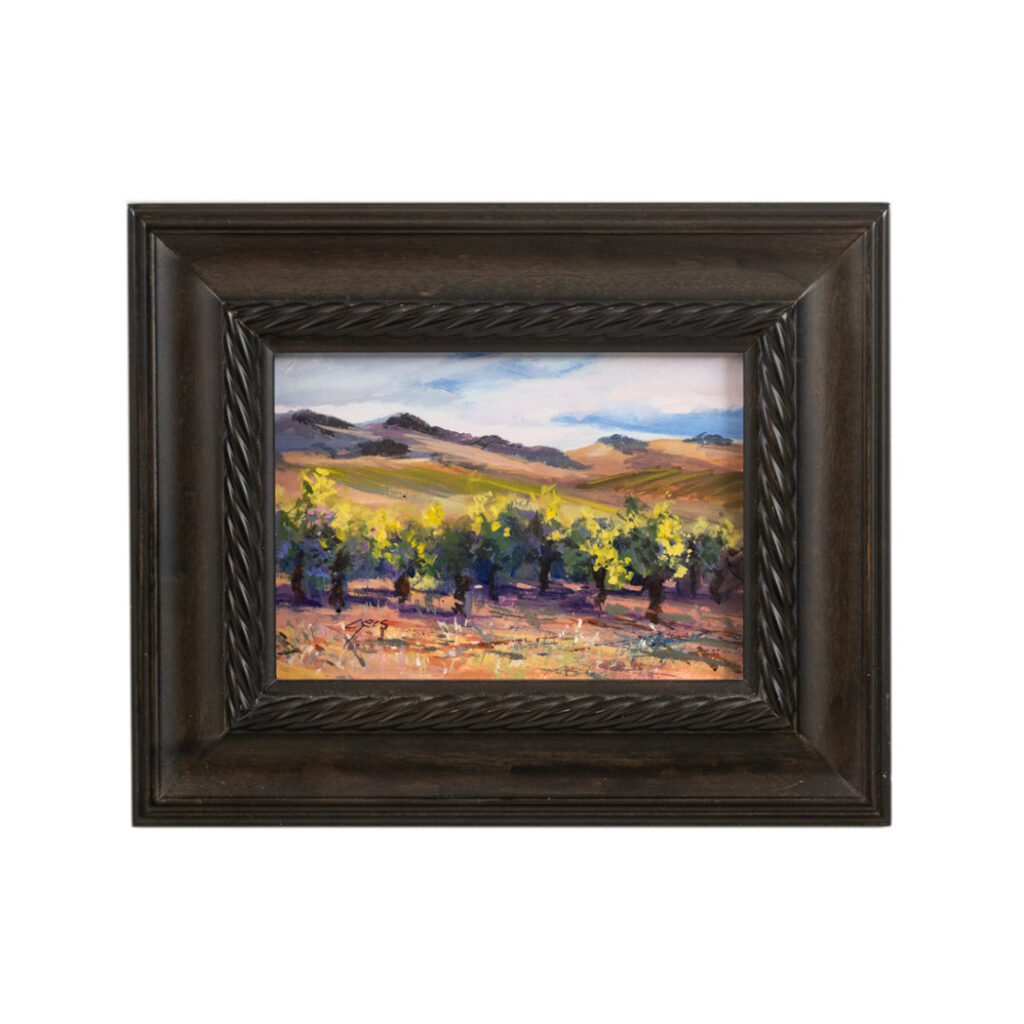
Now presenting the Grandview Mercantile x Archive Collection: Found & Framed, a once-in-a-lifetime collection of spectacular pieces! Hidden away for over 20 years, thousands of high-quality vintage prints have been unearthed, as if by fate, by a master art framer. These rare pieces exemplify the meticulous reproductions of famous classical and modern art pieces, originally utilized for schools, libraries, businesses, and other organizations beginning in the 1930s. The impeccable quality and vibrant colors survived the long years in climate controlled conditions to once again grace the public. The Archive Gallery, Columbus’s finest art framers, have carefully and thoughtfully framed each piece with only the best archival material.
The size of this collection is utterly unbelievable, and the diversity even more so! With no shortage of quantity or variety, this will be an ongoing feature in our showroom. Stock will continually refresh, ensuring unexpected finds with each visit. The various art movements, subject matter, and sizes accommodate so many different personalities and styles. Whether it’s something you have been looking for or a complete surprise, you are certain to find a true gem in this collection.
The art of printmaking is timeless for a reason. The accessibility to art of any kind is indeed enticing, but with such impeccable quality, you can be sure to find something fabulous for a reasonable price. Celebrate the masters like Picasso and Monet, or find something a bit more niche. As a statement piece to spark conversations or to purely bring joy to yourself alone, this collection is truly for the people. Tune in to bring good art to your home.
The Power of Lithography
What is a Lithograph?
Lithography is a form of printmaking that is based on the chemical principle that grease and water repel each other. This technique uses a planographic method, printing from a flat surface rather than raised. To actually create the print, an image is drawn with a greasy substance, such as oil, fat, or wax onto the surface of a smooth and flat limestone plate. The stone was then treated with a mixture of weak acid and gum arabic ("etch") that made the parts of the stone's surface that were not protected by the grease more hydrophilic (water attracting). For printing, the stone was first moistened. The water adhered only to the etched, hydrophilic areas, making them even more oil-repellant. An oil-based ink was then applied, and would stick only to the original drawing. The ink would finally be transferred to a blank sheet of paper, producing a printed page. This process is then repeated for each color represented in the image to create an exact replica of the original. As many as ten to twenty colors are lithographed in order to reproduce every nuance and subtlety characterizing the original work. Though it may seem like a tedious process, this technique made fine art more accessible to everyday people.
The History of Lithography
The process of lithography was first invented in 1796 by German author and actor Alois Sensefelder (1771-1834). Driven by the exorbitant cost of printing his plays, Sensefelder took it upon himself to create a faster and more cost effective way to print. He took his invention to the Andre Family of Music publishers where he perfected the technique. Lithography proved to be the perfect process for printing sheet music and maps, a more pressing need than to recreate something like art.
In the 1820s, the process was simplified and soon adopted by artists like Delacroix and Gercault. London became an epicenter for the use of lithography by artists, but its commercial use was still the main draw. Even though the initial enthusiasm had somewhat diminished, by the 1870s a revival was underway and many famous artists, including Degas, created much of their work in this manner.
As the 1890s emerged, color lithography gained success in part by the work of Jules Chéret, known as the father of the modern poster, whose work went on to inspire a new generation of poster designers and painters. Former student of Chéret, Henri de Toulouse-Lautrec, gained popularity from his colorful posters depicting gaudy nightlife, namely at the Moulin Rouge.
By the 20th century, a group of famous artists including Chagall, Matisse, Miro, and Picasso rediscovered the largely undeveloped art form of lithography. With the help of Fernand Mourlot, grandson of the founder of The Atelier Mourlot, artists were invited to explore fine art printing. Mourlot encouraged the painters to work directly on lithographic stones in order to create original artworks that could then be executed under the direction of master printers in small editions. The combination of modern artist and master printer resulted in lithographs that were used as posters to promote the artists' work. Not only did it allow artists to reach a broader audience, it made the world of fine art accessible to middle and lower classes.
The process of lithography is still very popular with artists today, but its presence in commercial printing is integral. High-volume lithography is used to produce posters, maps, books, newspapers, and packaging. In modern commercial lithography, the image is transferred or created as a patterned polymer coating applied to a flexible plastic or metal plate. A popular version of the process, called "offset lithography", is an elaboration of lithography in which the ink is transferred from the plate to the paper indirectly by means of a rubber plate or cylinder, rather than by direct contact.
Types of Prints
There are many different types off prints within this collection! Learn about the wonderful world of printmaking and what sets them apart from each other below.
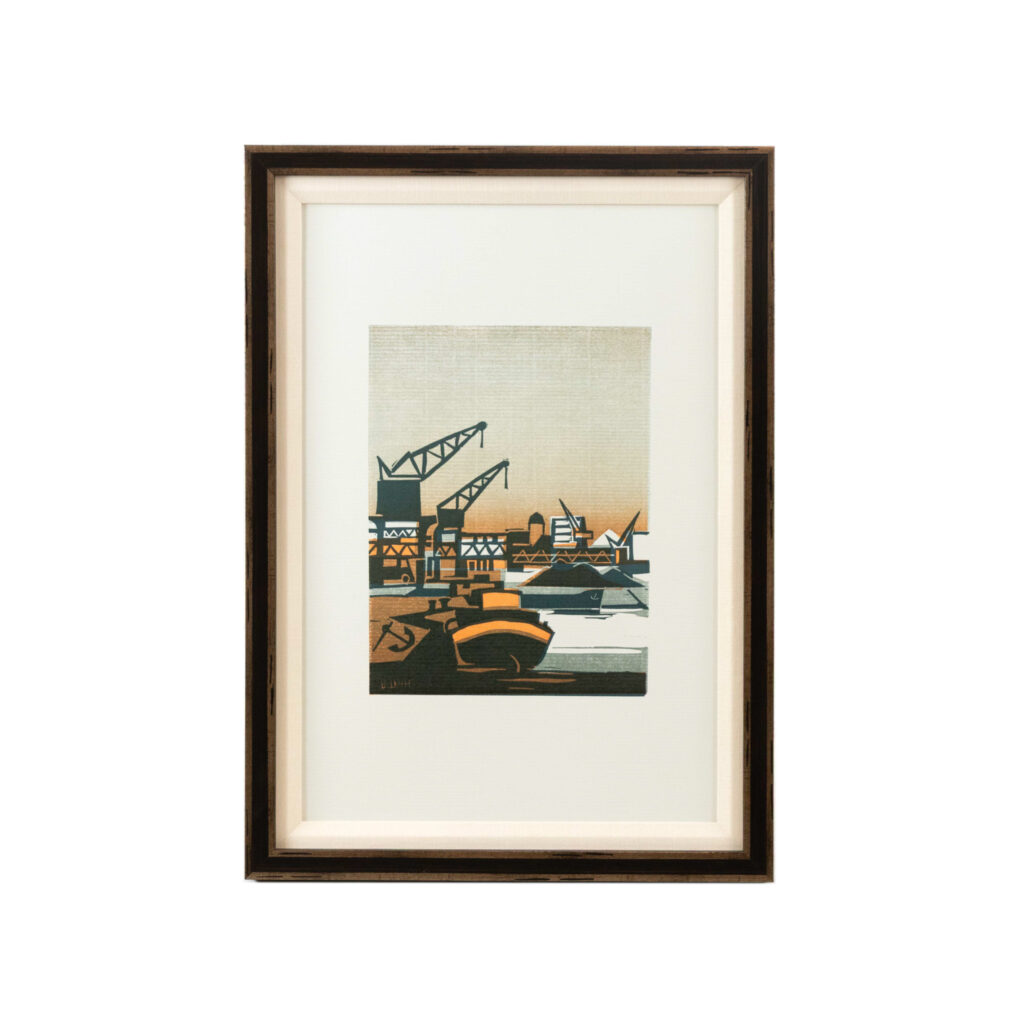
- Also known as plano-graph or surface printing
- Flat surfaces such as stone, zinc, or aluminum
- Based on the mutual repulsion of grease and water
- The full process:
- Negatives or positives are placed in direct contact with separate lithographic metal plates which have been coated with a sensitized solution and the exposed to light
- As the plates are wiped, the only thing left is the image that was exposed and fixed to the plates by the action of light
- The image left is grease sensitive
- First dampened by a water, the greasy dots making up the image repel the water, filling all of the non-printing areas
- An ink roller with one color represented in the piece passes over the plate, repelled by the water and adhering to the greasy dots
- The inked image is transferred onto a rubber blanket, then to the paper
- As many as ten to twenty colors are lithographed in order to reproduce every nuance and subtlety characterizing the original work
- Various which materials are glued or sealed to a rigid substrate (such as paperboard or wood) to create a plate
- This plate is then inked and transferred to paper or another medium
- A wide variety of materials have been used including yarn, fabric, tape, different varieties of cut paper or card, leaves, feathers, and acrylic mediums
- Can often be applied to relief and intaglio printing methods
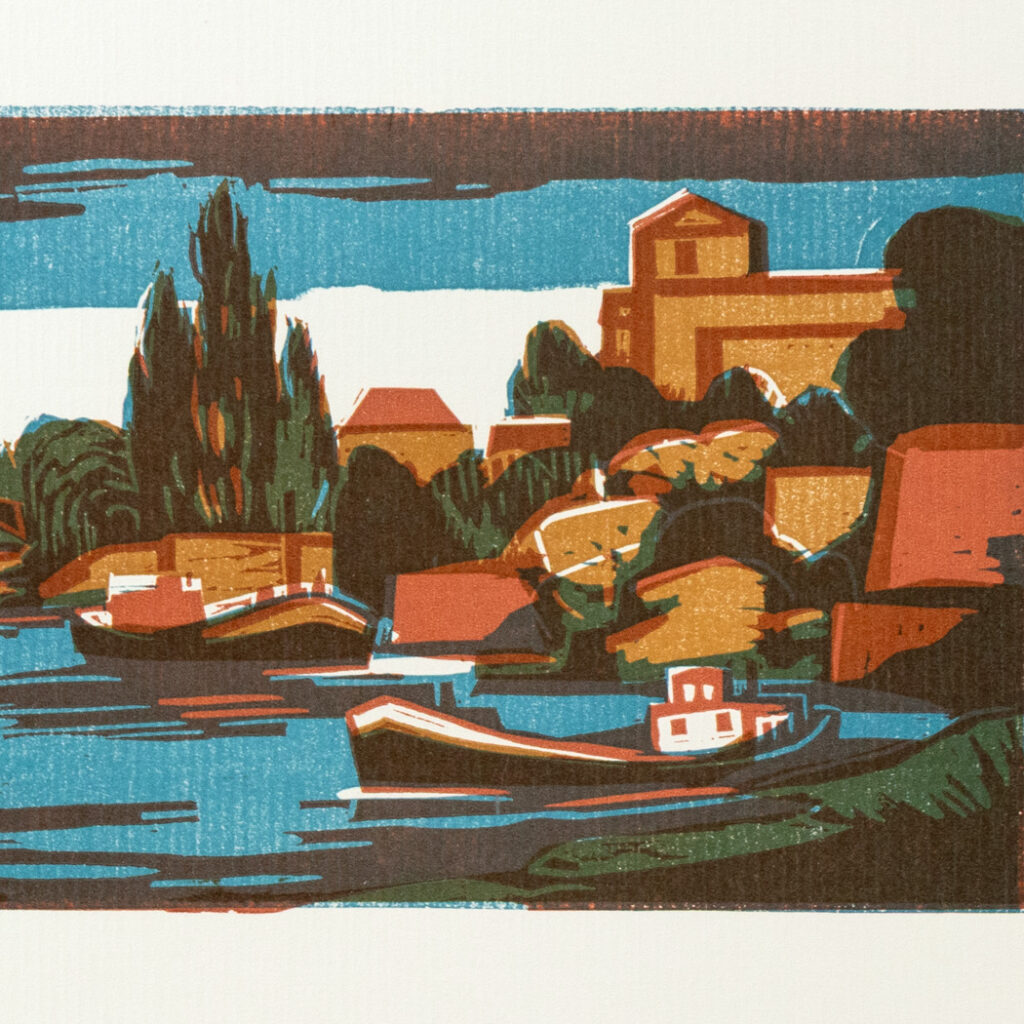
- A printing block, plate, or matrix that has ink applied to the non-recessed surface
- The non-recessed surface in transferred to the paper, while the recessed portions remain blank
- The image is created by the combination of carved and dimensional patterns, representing lights and shadows
- Wood cut blocks, linocut, relief etching, rubber stamp
- The direct opposite of relief printing
- Image is incised into a surface and the sunken lines hold the ink
- Typically copper, or in recent times zinc, sheets act as the surface
- Incisions can be created using various combinations of methods
- Etching/engraving
- Drypoint (essentially the same as engraving)
- Aquatint (a variant of etching creating areas of tone rather than lines)
- Mezzotint (achieves tonality by roughening a metal plate with thousands of little dots made by a metal tool with small teeth, called a “rocker”)
- Drawing or painting on a non-absorbent surface
- Historically copper etching plate, but contemporary work can use zinc, glass, or acrylic glass
- Image is transferred to paper by pressing the two together and applying pressure, much like relief printing
- Images can also be made by applying opaque color and removing ink to create a subtractive image
- Oil and water-based ink can be used
- When using oil-based ink, dry paper may be used for an opaque finish, but when damp it can produce a greater range of tones
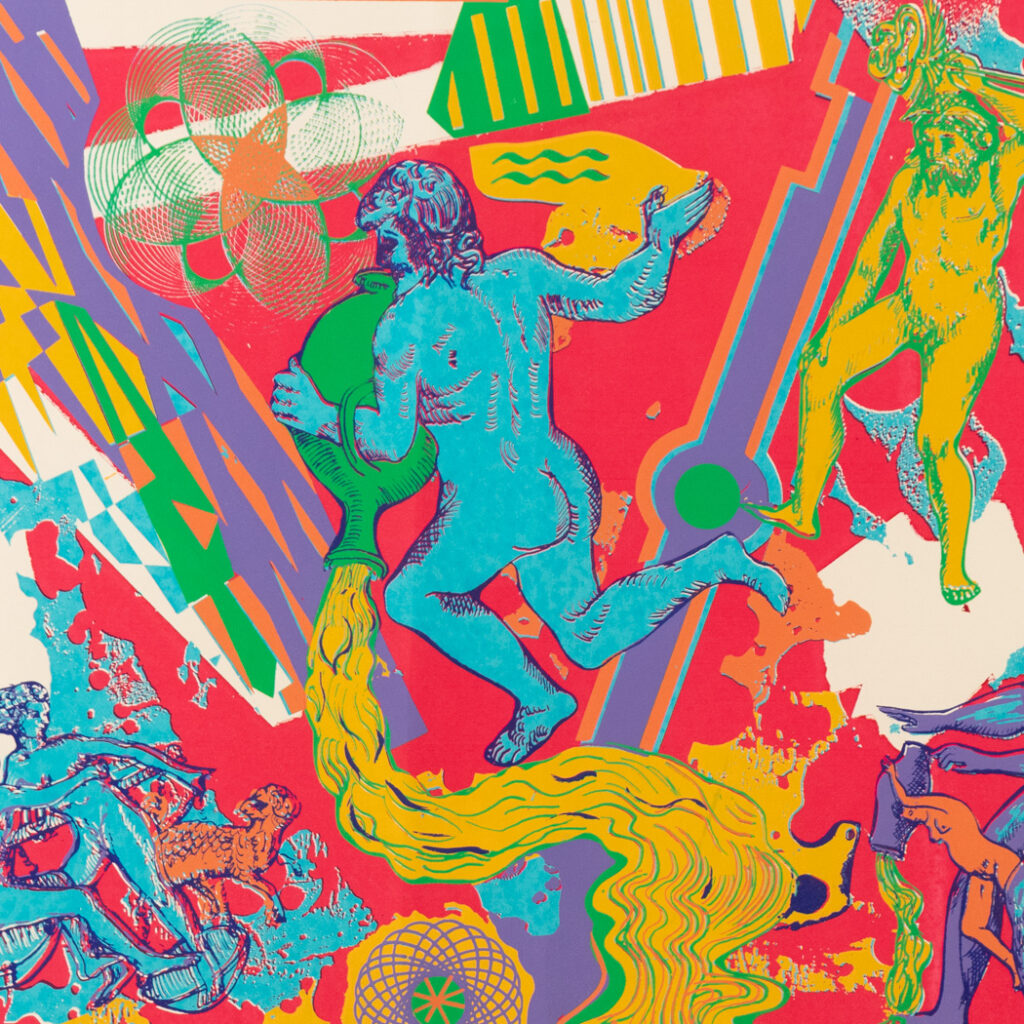
- Not technically a printing process, it is a method of applying colors through a series of prepared silk screen stencils
- Separate stencils are made for each color of the original piece
- All areas of the silk screens except those to be printed are opaqued or blocked out, the pigments can only be squeezed through the clear portions representing the image
- Not ideal for intricate and subtly shaded pieces and cannot be mistaken for any of the other processes
- Often called serigraphs, differentiating fine art from industrialized screen printing like mass produced apparel
- A camera-less photographic printing process
- Uses UV light to create monochromatic, prussian blue images
- Coat natural fibers like cotton or paper with light-sensitive iron solution
- Various materials, often botanicals or negatives, placed onto the solution and out in the sun